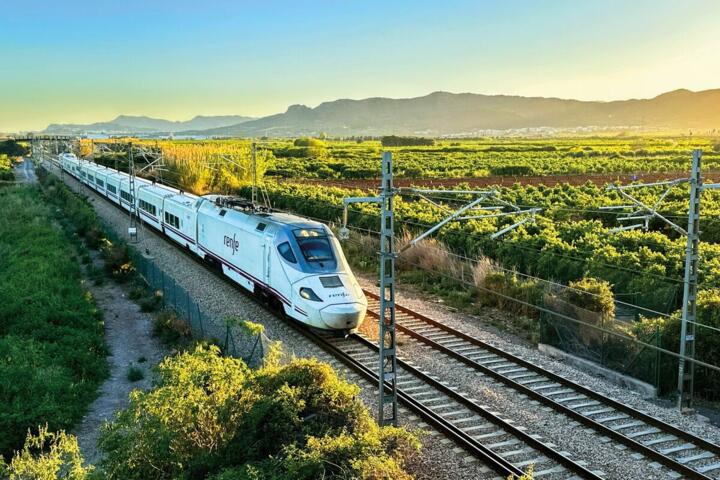
10-Day Spain Route Planning
A 10-day Spain route usually mixes long-distance legs with a few short city days. The transport choice shapes the whole schedule because it affects not just travel time, but also how early you must leave, where you start and end, and how much buffer you need for delays. AVE trains often run from central stations and reduce transfer friction, while domestic flights can shorten the airborne portion of a trip but add airport time, security lines, and baggage handling. A practical approach is to treat each leg separately: Madrid to Barcelona behaves differently from Madrid to Málaga, and the “best” option changes with departure times and ticket prices.
For a concrete example, a Madrid–Barcelona AVE journey typically takes about 2 hours 30 minutes for many services, but your door-to-door time depends on how you reach the station and how long you wait at the platform. A flight on the same corridor may be shorter in the air, yet you still need time for check-in, security, and getting from the airport to the city center. If you plan a tight day—like arriving before lunch and leaving again the next morning—the difference between “2h30” and “half a day” becomes the real decision factor.
Route planning also depends on where you want to sleep. If your itinerary centers on Madrid and Barcelona, the train corridor is dense. If you add a southern stop such as Seville, Málaga, or Valencia, you may face fewer direct rail options or longer rail travel times, which changes the trade-off.
Where Travelers Get It Wrong
Many travelers compare only the headline travel duration and ignore the time tax around it. For flights, the time tax includes arriving at the airport early, passing security, waiting at the gate, and then commuting from the airport to the city. For trains, the time tax includes getting to the station, walking between platforms, and potential delays that can cascade into missed connections.
Another common mistake is assuming that the cheapest ticket always wins. Rail prices can vary by booking window and seat class, and flight prices can swing based on baggage add-ons and change fees. A fare that looks low online can become more expensive once you add checked luggage, seat selection, or a fare type that restricts changes. If you travel with a family, the “small” add-ons multiply quickly.
People also underestimate how schedules interact with hotel locations. AVE stations are usually in or near city centers, but not every hotel is within a short walk. Airports are often farther out, and the last-mile commute can be slow during peak hours. I’ve seen itineraries collapse because the plan assumed a 20-minute transfer when the actual ride took 45 minutes after a late arrival.
Finally, travelers sometimes book without checking whether they need a connection. Domestic flights can be direct on popular routes, but some city pairs require a stop. Rail can also require a change if you pick a station that doesn’t match your next leg. The dependency chain matters: one missed segment can force you into a new ticket type, a new baggage plan, and a new hotel check-in time.
How To Choose Between Them
Estimate Door-To-Door Time
Start by building a door-to-door estimate for each leg rather than using only the in-vehicle time. For flights, a conservative planning buffer often includes arriving at the airport early enough for security and check-in, plus a realistic transfer from the airport to your city stop. For trains, include time to reach the station, board, and absorb a delay buffer if you have a same-day connection.
As a practical aside, I often model two scenarios: a “normal” day and a “tight” day. On a tight day, I assume delays and add extra margin because the cost of missing a museum timed entry or a dinner reservation is higher than the cost of arriving 30–60 minutes earlier. If your itinerary includes a long walking day, you may also want to avoid arriving too late, since jet-lag-like fatigue can show up even on short domestic hops.
Match Baggage To Your Plan
Baggage rules can flip the decision. Many low-cost flight fares charge for checked bags and sometimes for cabin bags above a size limit. If you pack light, the flight can stay competitive; if you need a checked bag, the rail option may become more attractive. On trains, luggage is usually simpler, but you still need to consider storage space and whether you can manage your bags through station corridors.
For a 10-day route, a common pattern is one carry-on plus a small day bag. That reduces friction on both modes. If you plan to shop for heavier items, you can shift the purchase to the end of the trip or plan a laundry stop so you don’t carry extra weight for the whole itinerary.
Use Booking Windows Wisely
Both AVE and domestic flights price tickets based on demand and how far in advance you book, but the timing effects differ. Rail tickets can sell out on popular departures, and flexible options may cost more. Flight fares can change quickly, and the cheapest fare types may restrict changes.
One practical method is to check a few departure times, not just the earliest. If you find a train that arrives early enough to start your next activity, you may avoid paying for an extra night or losing a full day. I’ve also noticed that mid-morning departures sometimes offer better value than early morning ones, though the pattern varies by season.
Plan Connections With Buffer
Connections are where the math breaks. If you have a same-day connection after a flight, you need extra time for potential delays and for the possibility that baggage does not arrive on the same segment. If you have a same-day connection after a train, you still need buffer for platform changes and delays.
A realistic rule for planning is to avoid scheduling a tight connection on your first travel day of the trip. After you arrive in Spain, your body and logistics are still settling. If you must connect, choose a later departure and keep the next activity flexible.
Educational Route Scenarios
Scenario A: Madrid → Barcelona → Seville. A traveler books an AVE from Madrid to Barcelona because the corridor has frequent departures and the station is central. They arrive with enough time to check in and walk a neighborhood before dinner. For the next leg, they compare rail options to Seville and find that the travel time is long enough that a flight becomes competitive when they include the time spent on transfers and waiting. They choose the flight only for the long-distance southern jump, then rely on local trains and buses for short hops.
Scenario B: Madrid → Valencia → Málaga. Another traveler wants a beach day near Málaga but prefers to keep the middle of the trip simple. They take an AVE or fast rail option to Valencia to reduce airport friction. For Málaga, they compare flight and rail and select the mode that matches their baggage needs and arrival time. They avoid booking a same-day connection after the Málaga arrival and instead schedule a lighter evening, since late arrivals tend to reduce the quality of the first day in a new city.
AVE Vs Flights: Decision Checklist
| Decision Factor | AVE Train Tends To Fit | Domestic Flight Tends To Fit | What To Check Before Booking |
|---|---|---|---|
| Door-to-door time | Central station access reduces transfer friction | Air time is shorter, but airport time can erase gains | Your arrival/departure times and last-mile commute |
| Baggage costs | Often simpler for carry-on and typical luggage | Low fares can add fees for checked bags | Fare type, cabin bag limits, and checked bag fees |
| Schedule flexibility | Frequent departures on major corridors | Direct flights vary by route and season | Change rules and whether you can rebook |
| Connection risk | Fewer moving parts if you stay on one train | Delays can affect baggage and onward plans | Buffer time and whether baggage is checked through |
If you want a step-by-step approach, use this sequence: list your city pairs, check the earliest and latest reasonable departures, compute door-to-door time with a delay buffer, add baggage costs to the flight fare, then pick the option that protects your next-day plans. You save time, reduce noise, and the inbox stops winning—because you stop second-guessing every leg.
Common Mistakes To Avoid
Booking a flight with a tight connection after landing is a frequent failure point. Even when the itinerary looks simple, delays can cause missed transfers and baggage mismatches. If you must connect, choose a later onward segment and keep a small plan for the first hours after arrival.
Another mistake is ignoring station and airport distance from your lodging. Two travelers can book the same transport option and experience very different total time because one hotel is near the station and the other is across town. Use a map tool to estimate walking time and transit time at the hour you will travel; a 10-minute difference on paper can become 25 minutes in practice.
People also forget to check whether their ticket type includes changes. Some rail tickets and many flight fares restrict changes or charge fees that erase the savings. I once saw a traveler save money on a restricted fare and then pay more later when they needed to shift by one day due to a delayed arrival—an avoidable loop if the change policy had been read first.
Finally, travelers sometimes plan too many “must-do” activities on travel days. Even with the right mode, fatigue and schedule pressure reduce enjoyment. Build one low-effort block after arrival, then schedule the most demanding activity the next morning.
FAQ
How do I compare AVE and flights fairly?
Add door-to-door time for each option, then include baggage fees for flights and any change restrictions. Use the same departure window for both modes so you compare similar days, not different schedules.
Do I need to arrive earlier for flights?
Yes. Airport security and check-in times vary by airport and time of day, so plan an early arrival that covers security lines and boarding. If you travel with checked baggage, add time for bag drop and processing.
Are AVE trains frequent on major routes?
On high-demand corridors such as Madrid–Barcelona, departures are generally frequent. For smaller city pairs, rail frequency can drop and may require connections, which changes the risk profile.
What baggage strategy works best for a 10-day trip?
Carry-on plus a small day bag reduces friction on both trains and flights. If you need checked luggage, price it into the flight fare and confirm cabin bag limits before booking.
Which mode is better for same-day connections?
Trains often reduce moving parts when you stay on one service, but delays still happen. Flights add airport processing and baggage handling, so choose a later connection and keep buffer time if you must connect the same day.
Author's Insight
This comparison focuses on decision mechanics rather than marketing claims. For most travelers, the biggest differences come from door-to-door time, baggage fees, and change policies, not from the in-vehicle duration alone. When you plan a 10-day Spain route, treat each leg as its own problem: compute total time, then check whether the arrival time protects your next day. If you use a mapping tool, note the version and date of your estimates (for example, Google Maps data refreshes over time), because commute times can shift with service changes.
A practical workflow is to shortlist two options per leg, then compare the full itinerary impact: hotel check-in timing, planned activities, and whether you can recover from a delay without buying another ticket. That method keeps the route realistic even when schedules change.
Key Takeaways
- Compare door-to-door time and baggage costs, not just travel duration.
- Use AVE for major corridors when station access and schedule fit your day.
- Use domestic flights when rail travel time or connections make the total day longer, and when baggage fees still keep the fare reasonable.
- Protect your itinerary with buffer on travel days, especially for same-day connections.