Japan Trip Cost Basics
Japan’s reputation for high travel expenses has intrigued many, yet the reality depends heavily on choices made before and during the trip. For example, a direct flight from New York to Tokyo on airlines like ANA or Japan Airlines typically costs between $700 and $1,200 for a round trip booked three months ahead.
Accommodation varies from hostels with nightly rates around $25, to mid-range business hotels charging $80 to $150, up to luxury options easily exceeding $400. The typical visitor spends 7-10 days, with average daily expenses ranging broadly.
To put it in sharp figures, a 10-day trip can cost anywhere from $1,500 on the frugal side to over $5,000 for those seeking comfort and convenience.
Common Budgeting Pitfalls
Many travelers underestimate transportation costs, especially the usefulness—and expense—of the Japan Rail Pass, which can be $300 to $500 for 7-14 days. Those skipping it often end up buying individual tickets, becoming a shock to their wallets.
Another mistake lies in food budgeting. Convenience stores and casual dining often offer meals for less than $10, but tourists who stick to restaurants in tourist-heavy districts may spend triple that. Without planning, daily meal bills can balloon unexpectedly.
Ignoring cash flow requirements also causes trouble—Japan remains heavily cash-based outside urban centers. ATMs that accept foreign cards are sometimes hard to locate; the 7-Eleven ATM network is a rare reliable spot, which, frankly, most people skip researching.
Cost-Saving Ideas
Book Flights Early
Securing airline tickets 2–3 months before departure can reduce round-trip costs by 20–30%. Budget airlines like Peach or Vanilla Air sometimes offer fares as low as $350 from select locations. Sign up for fare alerts on Skyscanner or Google Flights for best deals.
Choose Practical Accommodation
Business hotels like APA or Toyoko Inn provide clean rooms with basic amenities under $100 per night. Book through their official sites early or via Agoda to catch discount offers. Capsule hotels offer another alternative at $30–60 but expect less space.
Leverage the Japan Rail Pass
Buying a 7-day pass for $280 before arriving unlocks unlimited rides on JR trains, including Shinkansen (except Nozomi trains). For extensive travel, this pass saves hundreds, and boarding is confirmed but not reserved seating for all trains.
Eat Smart
Meal expenses drop sharply by shopping at FamilyMart, Lawson, or 7-Eleven for onigiri, salads, or bento boxes typically under $5. Avoid tourist traps in Shinjuku or Shibuya dining spots where prices climb faster—seek local ramen joints charging $7-$12.
Use Suica and Pasmo Cards
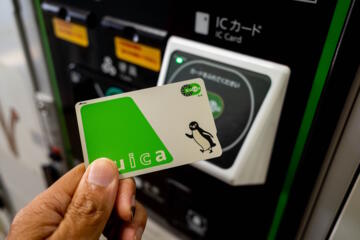
These rechargeable IC cards simplify metro and bus rides, offering slight discounts compared to single tickets. They also work for some vending machines and convenience stores. Initial deposit is 500 yen, and recharges need minimal effort.
Plan Free or Low-Cost Activities
Parks, shrines, and neighborhoods like Asakusa or Harajuku present culturally rich experiences at no entrance fee. Museums may charge between $3 and $15. Plan such outings alongside paid attractions to balance budgets smoothly.
Withdraw Cash Wisely
The 7-Eleven ATM offers reliable, low-fee foreign cash access. Avoid using airport exchange counters that deliver poor rates. Withdraw larger sums at once to minimize withdrawal fees; daily ATM limits may apply.
Shop Duty-Free
Many electronics and cosmetic stores offer tax-free shopping on purchases over 5,000 yen if you show your passport. This reduces costs on souvenirs and necessities—a handy perk for visitors who shop extensively.
Rent Pocket Wi-Fi
Renting a device for around $50 per week with providers like Ninja Wi-Fi or Global Advanced Communications avoids hefty roaming fees. Reliable connectivity helps with transportation apps and navigation, which often saves time and money.
Real Travel Examples
Company X, organizing a 9-day incentive trip in 2023, booked flights 4 months in advance at $850 per person. Choosing APA hotels at $100 per night and Japan Rail Passes at $295, the total per attendee stayed within $2,200. The key was bulk bookings and local dining partnerships.
A solo traveler in early 2024 spent 8 days in Japan. By opting for budget flights at $420, capsule hotels averaging $45, and carefully using Suica cards plus convenience store meals, the total was about $1,600. They bypassed several tourist traps and juggled schedules according to weather—planning on the fly.
Travel Budget Checklist
| Expense | Low | Mid | High |
|---|---|---|---|
| Flight | $350 | $800 | $1,200 |
| Accommodation | $25/night | $100/night | $400/night |
| Rail Pass | $280 (7 days) | $295 (7 days) | $530 (14 days) |
| Meals | $5–10/day | $20–35/day | $50+/day |
| Wi-Fi Rental | $40/week | $50/week | $80/week |
Typical Errors to Skip
Miscalculating transport hurts budgets drastically. Many forget the Rail Pass, then buy single tickets that multiply costs. Not researching accommodation beyond star ratings ignores neighborhood price differences, missing cheaper options like guesthouses on outskirts.
People dropping cash only in major cities later find rural spots inaccessible without cash. Withdrawals at airport ATMs, charging fees and poor rates, cause tiny but constant loss. Lastly, skipping meal planning leaves travelers paying $15-$30 routinely, which doubles daily food spending.
FAQ
How much is the Japan Rail Pass?
The standard 7-day pass costs roughly $280, the 14-day pass $450. Both cover many JR trains, including most Shinkansen trains except Nozomi.
Can I visit Japan on a budget of $2,000?
Yes, by booking budget flights, staying in hostels or business hotels, using the Rail Pass effectively, and favoring convenience store meals, it’s feasible for about 7-10 days.
Are meals expensive in Japan?
You can eat for under $10 per meal with fast food, markets, or convenience stores; dining at restaurants in tourist spots usually costs more.
What is the best time to book flights?
Booking 2-4 months ahead often yields the lowest fares. Monitoring deals and booking mid-week flights can reduce costs further.
Is cash mandatory in Japan?
Despite growing card acceptance, cash remains highly used outside Tokyo. Carrying sufficient yen is advisable, especially in rural areas.
Author's Insight
As someone who’s traveled Japan over a dozen times, I learned quick that budgeting incorrectly leads to avoidable stress. The Rail Pass is almost always worth it if traveling between major cities. I always carry a Suica card for short trips and use convenience stores for meals to stay flexible. Planning accommodations outside city centers saved me hundreds. Finally, booking flights early gave me a solid baseline to scale the rest of the trip budget.
Key Points
Japan trip costs hinge on planning and informed choices. Early flight bookings, practical lodging, the Japan Rail Pass, and savvy meal selection cut down expenses greatly. Avoiding cash shortages and factoring in realistic daily spending prevents surprises. A well-managed 7-10 day journey can fit a $1,500–$3,000 budget, depending on priorities. Check deals regularly and prepare for some cash withdrawals to make the trip smooth.