Learning Costs in Portugal
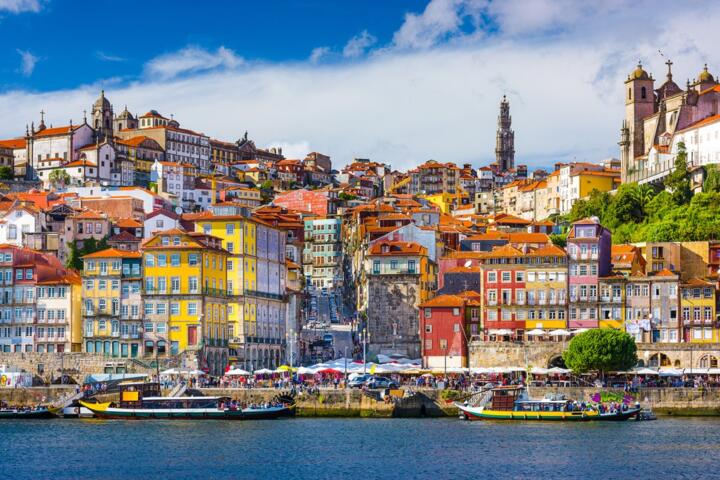
Portugal attracts travelers with its warm climate, historic cities, and coastal beauty. But budgets vary widely depending on location and travel style. A week in Lisbon can cost around €350 to €600 if you avoid high-end hotels, while Porto and the Algarve often run cheaper by 10-20%. A daily meal at a casual restaurant costs about €8 to €15, and public transit tickets start near €1.50.
Prices fluctuate by season—April to June and September offer lower rates than July or August. You find local markets where fresh produce and bread can make meals for under €5. Most travelers spend about €45 daily on food and transport combined, which adds up fast. One must watch food and lodging closely to not overshoot.
Common Budgeting Pitfalls
Many underestimate daily expenses outside lodging: small discoveries quickly add up. Tourists often splurge on attractions thinking entry fees are small, but multiple fees can surpass €50 per week. Relying on taxis instead of buses or trams can double transport costs in cities like Lisbon.
Ignoring accommodation location leads to surprise expenses for commuting—cheap stays far from city centers require transport budgets that inflate total costs. Visitors sometimes overbook expensive meals or overlook takeaway options, driving up their daily spend unnecessarily. It is easy to miscalculate average expenses, especially for first-time visitors unfamiliar with Portuguese prices.
If you budget €500 for 7 days but do not account for daily coffee shops or souvenirs, your funds will drain fast. The difference between eating a modest meal for €7 and a tourist trap lunch at €20 is stark over a week.
Budget Tips with Specifics
Stay in guesthouses or hostels
Guesthouses in Lisbon cost €20–€40 per night for a private room. Hostels offer shared beds for €12–€25. Booking platforms like Hostelworld or Airbnb show hundreds of options. Choosing central locations near metro stops reduces transport spending—no taxi needed. One night savings easily cover a taxi fare.
Cook some meals
Buying fresh produce at Mercado da Ribeira or local markets can keep food costs under €5 per meal. Most rentals include kitchenette facilities. Portuguese supermarkets like Pingo Doce and Lidl provide affordable staples. Cooking breakfast and dinner yourself trims expenses by nearly 40%.
Use public transit
Lisbon’s metro and trams charge about €1.50 per ride, with multiple-day passes offering discounts. Porto offers similar passes for roughly €6 daily. Tourists avoid taxis, except for late-night returns. This cuts transport expenditure by more than half in many cases.
Choose free or low-cost activities
Museums often offer free entry on Sundays or late afternoons. Parks, beaches, and historic neighborhoods cost nothing. Walking tours with tip-based guides provide local insights and cost less than €10. This keeps entertainment beyond museums cheap and rewarding.
Book flights and accommodations early
Flying with budget airlines such as Ryanair or TAP Air Portugal booked months ahead can save around 20%. Early hotel reservations lock rates during busy months. Spontaneous trips can double accommodation costs. The earlier, the better.
Carry cash and use local ATMs
Using local ATMs avoids dynamic currency conversion fees from credit card machines. Withdrawals from native banks (like Caixa Geral de Depósitos) have lower charges. Avoid airport exchange counters, notoriously expensive. This small detail saves up to €15 on a weeklong trip.
Limit souvenirs to small buys
Handmade ceramics or cork products make affordable, authentic mementos. Avoid mass-market souvenirs sold near tourist traps, which mark up prices 2-3x. Spending under €20 on gifts reduces unnecessary expenses and clutter in luggage.
Tap into local apps for deals
Apps like Zomato or TheFork list budget-friendly eateries with reviews. Regional transit apps display real-time schedules and cheaper ticket bundles. These tools help cut time lost on searching or paying over the odds. The tide — changing, sometimes slowly, sometimes not.
Examples from Travelers
Anna and Mark, a couple from Berlin, spent seven days in Lisbon in 2023 with a budget of €450. They stayed in an Airbnb for €30 a night, cooked half their meals, and walked mainly. They visited free museums and used a €15 weekly transport pass, spending €70 on tickets. Thanks to careful meal planning and local markets, they kept food costs under €140. In total, they spent about €10 less than planned and enjoyed a rich cultural experience.
In another episode, a solo traveler splurged on taxis and ate at tourist-heavy spots in Porto. The first three days exhausted €200, leaving only €180 for the rest of the trip. Without access to cooking or local markets, the week cost her nearly €500 — significantly above average for that city. This shows how transport and meal choices impact the budget quickly, even with the same lodging costs.
Budget Planning Checklist
| Category | Low | Average | High |
|---|---|---|---|
| Accommodation | €15/night | €30/night | €60/night |
| Food | €5/meal | €10/meal | €20/meal |
| Transport | €1.50/ticket | €3/daily pass | €15/taxi |
| Activities | Free | €5-€10 | €30+ |
Common Errors to Dodge
First, don’t ignore location when booking accommodations. The cheapest room downtown might cost more in taxi fees than a mid-range hotel near public transit. Also, skipping meal prep means losing 30-40% savings on food. Buying bottled water everywhere racks up costs; a reusable bottle and tap water fill-ups work fine almost everywhere.
Overpriced souvenirs and impulse purchases at tourist sites drain budgets rapidly. Avoid buying at airports or main squares; small local shops have better prices. Lastly, not researching free days for museums and galleries leaves money unspent that could add cultural value. Planning those moments changes your experience.
FAQ
How much to budget daily in Portugal?
A reasonable daily budget lies between €40 and €70 including lodging, meals, and transport if careful choices are made.
Are hostels safe and affordable?
Yes. Many hostels offer private rooms and strong security. Expect, roughly, €15–€30 per night in major cities.
Is eating out expensive in Portugal?
Not if you choose local tascas or markets; meals can cost under €10. Tourist restaurants typically charge €15 to €25.
Can I use public transport with a tourist card?
Certain cities offer tourist transport cards providing unlimited rides for a set period, costing €10-€20.
When is the cheapest time to visit?
April to June and September are less crowded with lower hotel prices than July and August.
Author's Insight
I have traveled extensively in Portugal on modest budgets, and understanding the fine details made all the difference. Shopping at local markets beats tourist traps every time. Also, a few timed visits to free museums expanded my experience. A slow pace and public transit not only saved money, but added authentic local encounters.
Sometimes, the simplest things like reusable bottles or a once-a-week splurge on a pastry from Pastéis de Belém make an ordinary day more memorable. I recommend planning expenses but allowing room for spontaneity.
Key Points
Portugal offers rich experiences on a budget from €40 daily if you plan lodging, meals, and transport carefully. Avoid costly taxis and tourist restaurants. Use public transit, book early, and embrace local markets and free attractions. Checking details like ATM fees or timing museum visits yields a more affordable week. Small adjustments lead to more adventures within the same budget.