T-Money Vs Contactless
South Korea’s transit payment system often shows up as two choices at the gate: a T-money transit card and a contactless bank card that supports tap-to-pay. Both can work on subways and buses, but they behave differently when you top up, when fares change, and when you travel across multiple operators.
T-money is a stored-value card. You add money to it, then the fare is deducted each time you tap. Contactless bank cards use a different mechanism: the fare is charged to your card account after the tap, with the final amount depending on the card network and the transit fare rules.
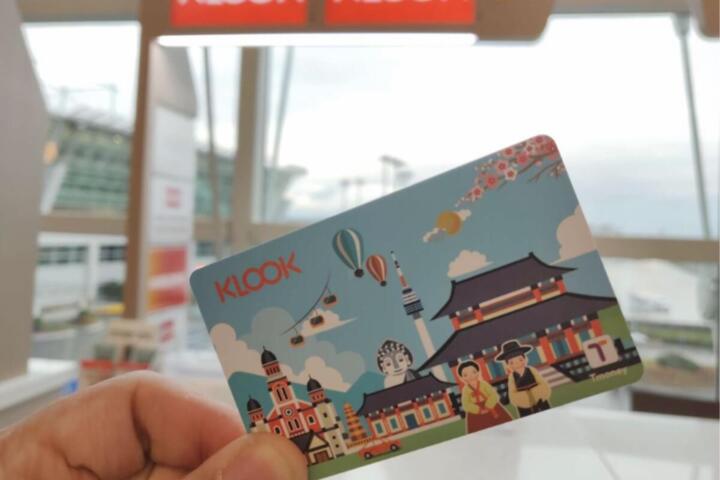
In practice, you’ll see T-money cards at convenience stores and vending machines, while contactless bank cards rely on your card’s NFC capability and your bank’s support for foreign transit transactions. If you travel with a phone wallet, the phone still depends on the same underlying card network and bank settings.
For many visitors, the simplest decision comes down to how often you ride and how you prefer to manage money: prepay with a transit balance or pay per ride through your bank statement.
Common Payment Pain Points
People usually run into problems when they assume both payment methods behave identically at the gate. They don’t. A stored-value card can fail when the balance is low or the card is damaged, while a bank card can fail when the card’s contactless function is disabled, the bank blocks foreign transit charges, or the tap happens outside the reader’s expected zone.
Another frequent misunderstanding involves fare calculation. With T-money, you top up and the system deducts the fare from your balance. With contactless bank cards, the transit system performs a fare calculation and then the charge posts through your bank and card network, which can lead to a temporary authorization hold that later settles to the final amount.
There’s also a dependency chain that affects reliability. For contactless payments, the reader needs to communicate with the card’s chip and the card network needs to route the transaction. For T-money, the reader needs to read the card’s stored value and update the balance record. When either side fails, the gate may show a generic error and you’ll need to try again or switch methods.
One small detail travelers often miss: some phones can tap successfully for a moment, then fail if the phone case blocks the NFC antenna area or if multiple cards sit too close together in the same wallet. I’ve seen this happen with a wallet that held two contactless cards; the reader sometimes picks the wrong one, and the transaction gets rejected.
How To Choose A Method
Your choice should match your travel pattern and your tolerance for payment friction. If you plan to ride frequently over several days, a stored-value card can reduce the number of bank authorizations. If you ride only a few times, contactless bank cards can avoid the hassle of finding a place to top up.
Look at your own constraints: do you want to manage a separate transit balance, or do you prefer to keep everything on your bank statement? Also check whether your bank card supports contactless payments abroad and whether your bank app shows foreign transaction controls you might need to adjust.
On the transit side, acceptance is broad but not universal. Some specialized services and certain ticketing machines may still expect a transit card format. When you’re unsure, the station staff signage usually indicates which payment types the gate supports, and the reader often has a symbol for tap-to-pay.
Use T-Money When You Ride Often
Choose T-money if you expect many rides and you want predictable deductions from a balance you control. Buy or obtain a T-money card, then top it up at convenience stores or transit machines. Keep a small buffer so you don’t end up at a gate with a low balance, since the reader may refuse entry when the remaining amount can’t cover the fare.
Practical habit: top up the card after you arrive, not right before you leave. On a trip in March 2026, I watched a traveler rush to top up at a station kiosk that was out of smaller bills; the delay meant they missed their planned transfer window.
When you use T-money, you also reduce the chance of card-network authorization issues. The fare is deducted from the card, so the transaction doesn’t depend on your bank’s foreign authorization settings for each tap.
Use Contactless Cards For Short Trips
Contactless bank cards work well for short stays or occasional rides. Make sure your card supports NFC contactless payments and that your bank hasn’t disabled contactless abroad. If you use a phone wallet, confirm that the wallet is set to use the correct default card for transit taps.
At the gate, tap once and wait for the confirmation tone or light. If the gate shows an error, don’t keep tapping rapidly; repeated taps can create multiple authorizations. A calmer approach reduces noise in your bank’s pending transactions.
Expect that the posted amount may differ slightly from the fare you saw on the reader. That difference usually comes from settlement timing and how the card network converts and finalizes the charge.
Check Reader Behavior And Buffers
Both systems depend on the reader’s timing. For T-money, the card must be readable and the balance must cover the fare. For contactless cards, the card must be detected within the reader’s expected range and the transaction must be authorized by the network.
Use a buffer strategy. For T-money, keep enough balance for at least a few rides plus a transfer. For contactless cards, keep a card with a stable balance and avoid cards that your bank flags for unusual transactions.
Small aside: I’ve noticed that some gates respond faster when you hold the card or phone steady for a second rather than moving it around. That behavior matches how many NFC readers handle antenna coupling, and it reduces “tap not recognized” errors.
Plan For Refunds And Disputes
If you use T-money, refunds depend on the card type and local rules, and some cards may have conditions for return. If you use a bank card, disputes go through your bank’s chargeback or dispute process, which can take time and requires transaction details.
Keep records. Save screenshots of your transit app receipts if you use one, and keep your bank transaction history visible. When a fare posts as a pending charge, wait for settlement before you decide it’s wrong.
Also check whether your bank charges foreign transaction fees. Many banks charge a fee for card purchases abroad, and transit taps count as card purchases.
Educational Case Examples
Example 1: Weekend Visitor
A visitor arrives for a two-day trip and rides the subway about six times. They use a contactless bank card for most rides and switch to T-money only on the day they take a bus route that has confusing signage. The contactless taps post as a few pending charges that settle later, and the visitor confirms the final amounts match the transit fare rules after settlement.
The lesson: for a short trip, contactless can reduce the need to top up, but a stored-value card can act as a backup when station signage or route planning gets messy.
Example 2: Longer Stay With Transfers
A traveler stays for two weeks and makes frequent transfers between subway lines and buses. They buy a T-money card on day one and top it up every few days. When a contactless tap fails once due to a phone wallet misconfiguration, they switch to the T-money card and continue without waiting for bank authorization.
The lesson: stored-value cards can reduce dependency on bank authorization for every ride, which matters when you’re moving quickly between stations.
Decision Checklist For Readers
| Scenario | Best Default | What To Watch | Backup Plan |
|---|---|---|---|
| Few rides (1–5) | Contactless bank card | Foreign transaction fees and pending authorizations | Carry a second card or a small T-money balance |
| Frequent rides (6+) | T-money | Low balance at gates and card condition | Top up before the balance gets tight |
| Phone wallet only | Contactless via phone | Default card selection and NFC interference | Bring the physical card as a fallback |
| Uncertain route signage | T-money + contactless | Reader errors and repeated taps | Try one tap, wait, then switch method |
Step-by-step gate routine: tap once, wait for the confirmation, check the gate status, then move. If you see an error, wait a few seconds before trying again or switch payment type. This reduces multiple authorizations and avoids the “tap loop” that frustrates everyone behind you.
Common Mistakes To Avoid
One mistake is treating contactless and T-money as interchangeable at the same level of reliability. A stored-value card can still fail, but the failure modes differ, and the fix differs too.
Another mistake is carrying multiple contactless cards in the same wallet pocket. NFC readers can detect more than one card, and the transaction can fail or charge the wrong account. A simple separation method—using a dedicated pocket or a slim wallet—reduces this risk.
Travelers also misread pending charges. A bank app may show a pending transit charge for several days, then settle to a different amount. Waiting for settlement before disputing prevents unnecessary back-and-forth with your bank.
Finally, people sometimes top up T-money too late. If you arrive at a station late at night and the kiosk is offline, you’ll lose time. A small buffer at the start of each day prevents that kind of scramble.
FAQ
Can I Use Both T-Money And A Bank Card?
Yes. You can tap with either method on transit, and many travelers keep both so one works if the other fails. The key is to avoid repeated taps when a reader shows an error.
Why Does My Contactless Tap Show A Pending Charge?
Transit taps often create an authorization hold that settles later. The final posted amount can differ slightly after settlement and currency conversion.
What Happens If My T-Money Balance Is Too Low?
The gate may reject entry when the remaining balance can’t cover the fare. Topping up before you reach the gate reduces this risk.
Do Phone Wallet Taps Work Like Physical Cards?
They work through the same contactless payment system, so they depend on the phone’s NFC support and the wallet’s default card. Wallet settings and card selection matter.
Are There Foreign Transaction Fees?
Some banks charge foreign transaction fees for card purchases abroad, including transit taps. Check your bank’s fee schedule before travel.
Author's Insight
Transit payments in South Korea split into two payment models: stored-value deductions and bank-card charges. Those models differ in failure modes, timing of posted amounts, and how disputes get handled. A practical approach uses one method as the default and keeps the other as a fallback, then follows a single-tap gate routine to reduce repeated authorizations.
For readers who want a concrete starting point, test one tap early in the trip on a low-stakes ride and confirm it posts correctly in your bank app or deducts correctly from your transit balance. If you travel with a phone wallet, check the wallet version and default card selection; small settings changes can affect which card the reader detects.
On a trip planning note, I often check my bank app’s contactless settings and transaction alerts before leaving home, since those controls vary by bank and can change how quickly you see transit charges.
Key Takeaways
- T-money deducts from a stored balance; contactless bank cards charge your account after the tap.
- Contactless can create pending authorizations that settle later; T-money avoids bank authorization timing for each ride.
- Use a buffer: top up T-money before it gets tight, and keep a contactless card ready with stable settings.
- Tap once, wait for confirmation, and switch methods after an error to avoid repeated failed transactions.
- Keep an eye on foreign transaction fees and pending charges in your bank app.