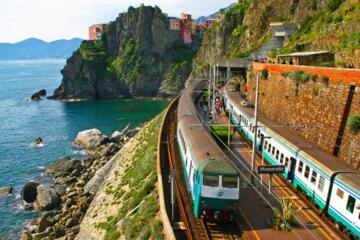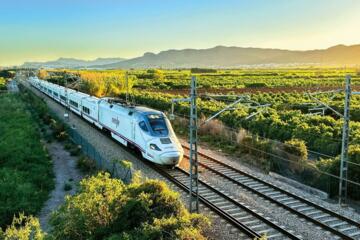
7-Day Portugal By Train
A rail-first route across Portugal works best when you treat train times as a planning constraint, not a detail you can fix later. A typical 7-day plan pairs Lisbon with Porto, then adds one or two intermediate stops such as Coimbra or Aveiro. The practical challenge is that stations sit outside some city centers, and transfers often involve walking, local buses, or short taxi rides. Timetables also change seasonally, so you need a method to verify the exact departure you plan to take.
For planning, start with the rail operator’s timetable and station pages, then cross-check with a route search tool that shows platform and transfer steps. In Portugal, the main long-distance rail operator is Comboios de Portugal (CP), while some regional services are operated by other entities under CP branding in certain corridors. If you use a third-party app, confirm it is pulling live data from CP or the relevant operator, because some apps cache schedules and lag behind real changes.
One small habit helps: record the station name exactly as shown on the ticket or app. “Lisboa Oriente” and “Lisboa Santa Apolónia” are both valid Lisbon stations, and mixing them can add 30–60 minutes of transit time depending on traffic and metro connections. I’ve seen travelers lose an entire connection by arriving at the wrong Lisbon station, then trying to “fix it” with a last-minute taxi.
What People Get Wrong
Most itinerary failures come from transfer assumptions rather than from the trains themselves. People often plan a transfer based on the arrival time only, then forget that you need time to exit the platform area, walk between terminals, and re-enter security or ticket checks when required. Even when there is no formal security, stations can be large, and signage can be inconsistent across older stations.
A second issue is underestimating local transport between station and lodging. Porto’s main station is Campanhã, and many hotels cluster closer to the historic center. Lisbon’s rail network connects to metro lines, but the last mile still depends on where you stay. If you book lodging without checking the station-to-hotel route, you can end up spending more time on transfers than on the train ride.
Timetable changes are the third common problem. CP schedules can shift for holidays, maintenance windows, and seasonal demand. Some services run less frequently on weekends, and some intermediate stops are served by specific train types only. A route that looks “direct” on one date may require a change on another.
Finally, travelers sometimes confuse “transfer time” with “buffer time.” A 10-minute buffer can work on small stations with the same platform, but it rarely works when you must cross station buildings or switch to a bus. The dependency chain matters: train arrival reliability, station walking time, and the frequency of the next leg all interact. When one link slips, the whole plan slips, and the fix can be expensive.
Train Times And Transfers
Build With Verified Schedules
Use CP’s official timetable tools or station pages to verify the exact departure and arrival times for your travel date. Then compare with a route search app that shows transfer steps and walking time. If the app shows a transfer that requires a 2-minute walk between platforms, treat it as optimistic; add buffer unless you have a reason to trust the station layout.
When you save your plan, store the station names and train numbers as shown in the itinerary. Train numbers and service identifiers help when you need to rebook after a delay. I usually keep a screenshot of the itinerary on my phone, and I label it with the date (for example, “2026-09-12 Lisbon→Porto”) because CP updates can make older screenshots misleading.
Choose Transfer Buffers
Pick a buffer based on the transfer type. For same-station platform changes, 15–25 minutes often works, assuming the train is not delayed. For transfers that require leaving the platform area and walking between buildings, plan 30–45 minutes. For transfers that depend on a bus or metro connection, plan 45–75 minutes, and keep a backup option for the next train or local connection.
In practice, the “right” buffer depends on your risk tolerance and your ability to rebook. If you hold flexible tickets, you can accept a smaller buffer. If you hold non-flex fares, you need more buffer because missing the connection can trigger a fare penalty or force a same-day reissue.
Plan Station-to-City Last Mile
Before booking lodging, check the route from the station to your accommodation using a map app. Look for the mode that matches your arrival time: metro and buses can run on different schedules, and late-night service can be less frequent. If your hotel is near a metro line, the last mile becomes predictable; if it is not, you may need a taxi or rideshare.
As a rough planning approach, treat the station-to-hotel leg as 20–40 minutes at off-peak times and 30–60 minutes during busy hours. That range covers walking, waiting, and the occasional detour when a bus stop is moved for construction. I’ve found that travelers who budget only “time on the map” underestimate waiting time by a lot.
Use Tickets and Rebooking Options
Decide early whether you want reserved seats. Reserved seating reduces uncertainty on busy services, especially on popular corridors like Lisbon–Porto. If you travel with luggage, check whether the train type has luggage space and whether there are restrictions on larger items. Some services have limited storage, and you may need to keep bags at your feet or in designated areas.
For rebooking, check the ticket terms before you buy. Some fares allow changes with a fee, while others require a full reissue. If you plan to travel during peak periods, build your itinerary around trains that run frequently so that a missed connection has a realistic next option.
Educational Case Examples
Scenario 1: Lisbon to Porto with a same-day buffer. A traveler plans Lisbon (Santa Apolónia) to Porto (Campanhã) on a weekday morning. They choose a connection window of 40 minutes at the transfer point, even though the timetable shows a 20-minute gap. When the first train arrives 12 minutes late, the traveler still reaches the next departure because the buffer covers walking time and a brief platform change.
Scenario 2: Adding Coimbra without over-tight timing. Another traveler inserts Coimbra between Lisbon and Porto. They book a train that arrives in Coimbra with enough time to reach the city center by local transport, then return to the station for the next long-distance departure. Their plan avoids a tight same-hour transfer that would require a bus at a low-frequency time slot. The result is a calmer day, even though the itinerary uses fewer “sightseeing minutes” than a more aggressive schedule.
Transfer Checklist And Table
| Decision Point | What To Check | Typical Buffer | If It Fails |
|---|---|---|---|
| Same-station transfer | Platform change, walking distance, and whether the trains are in the same concourse | 15–25 minutes | Use the next departure on the same corridor; rebook if fare rules require it |
| Different-station transfer | Station-to-station travel time and local service frequency | 30–45 minutes | Switch to a later train and adjust the sightseeing block |
| Train to local bus/metro | Last-mile route, waiting time, and whether service drops off late | 45–75 minutes | Use taxi/rideshare for the last mile or take the next local departure |
| Non-flex tickets | Change rules, reissue fees, and whether you can board a later train | Add 15–30 minutes | Plan a backup train that still matches your ticket terms |
Step-by-step checklist for each travel day:
- Write down the exact station names for departure and arrival.
- Open the official timetable for your date and confirm the train type and intermediate stops.
- Check transfer steps and walking time; treat “2 minutes” as a minimum, not a guarantee.
- Verify the station-to-hotel route and the mode that matches your arrival time.
- Confirm ticket rules for missed connections before you rely on a tight schedule.
Common Mistakes To Avoid
Booking an itinerary based only on city-to-city travel time is the most frequent planning error. Lisbon to Porto can look like a single block of time, but station choice and last-mile transport change the real day. Another mistake is assuming that “direct” means “no platform change.” Some services still require moving between platform areas for boarding.
Travelers also over-trust third-party apps when they show a single itinerary with no alternatives. If the app fails to reflect a cancellation, you can arrive at the station with no practical plan. A mild frustration is common here: the app says “on time,” then the station board shows a different platform or a delayed departure.
Another avoidable issue is ignoring luggage constraints. If you plan to carry a large suitcase, check whether the train has luggage racks or designated spaces. If you travel with a stroller or bulky items, confirm accessibility details on the operator’s page for the specific train type.
Finally, people sometimes schedule sightseeing immediately after arrival without checking the station-to-center travel time. A 30-minute arrival-to-activity gap can vanish quickly when you hit a long walk, a ticket machine line, or a bus that comes late. Build a buffer that covers “small frictions,” not just the timetable.
FAQ
How do I find the right train date?
Use the operator’s timetable for your exact travel date and station names. Third-party route tools can help, but confirm the departure time and train identifier on the official schedule.
What transfer buffer works in Portugal?
Plan 15–25 minutes for same-station platform changes, 30–45 minutes for different-station transfers, and 45–75 minutes when a metro or bus connection is involved.
Which Lisbon station should I choose?
Choose based on your itinerary and lodging location. Lisbon has multiple rail terminals, and arriving at the wrong one can add significant time due to metro and taxi routing.
Do train tickets include seat reservations?
Some long-distance services offer reserved seating, while others may be seat-assigned or unreserved depending on the train type. Check the ticket details before travel so you know what to expect on board.
What happens if I miss a connection?
Rebooking depends on your ticket terms. Check whether you can board a later train and whether a fee applies, then use the next available departure that matches your fare rules.
Author's Insight
Rail planning in Portugal rewards careful timetable verification and realistic transfer buffers. The biggest risk comes from mismatched station choice, not from the train network itself. A practical approach is to build the itinerary around a small set of verified departures, then add a backup option for each transfer point. If you use an app, confirm it is showing live data for your travel date and station names; I’ve seen schedule caches lag by days, not minutes.
When you plan the last mile from station to lodging, treat waiting time as part of the journey. That single adjustment often turns a stressful day into a manageable one, even when the sightseeing list stays the same.
Key Takeaways
- Verify train times on the official timetable for your exact date and station names.
- Use transfer buffers that match the transfer type: 15–25 minutes for same-station, 30–45 for different-station, 45–75 for metro/bus links.
- Plan the station-to-hotel route before booking lodging, not after.
- Check ticket change rules so a missed connection does not force an expensive reissue.