Border Time Planning
Border time planning means building your itinerary around the time you may spend at immigration, passport control, customs, and any secondary checks. For a first multi-country trip, the goal is not to predict the exact minutes at each crossing; it is to prevent your day from collapsing when processing runs slower than expected.
In practice, border delays come from several sources: staffing levels, queue length, document issues, and transport type. A train crossing with reserved seats can still slow down if staff need to verify documents for a subset of passengers. A bus crossing can slow down when passengers must exit for checks, which adds time even when the border is calm.
Start by separating your travel day into three blocks: getting to the crossing, processing time, and the “next step” time (boarding a train, finding a platform, or reaching a parking area). If you only budget for processing, you still lose time when you miss the boarding window or when the next connection requires a walk across terminals.
Main Problems And Pain Points
Many first-time travelers underestimate how variable border processing can be. They treat border time as a single number, then schedule connections too tightly. That approach breaks when a queue forms, when a traveler ahead has a document problem, or when staff switch to a different inspection pattern.
Another common error is mixing up immigration and customs time. Immigration checks identity and travel authorization; customs checks goods. Even when you expect “just a passport stamp,” customs can add time if you declare items, travel with restricted goods, or use a lane that requires inspection.
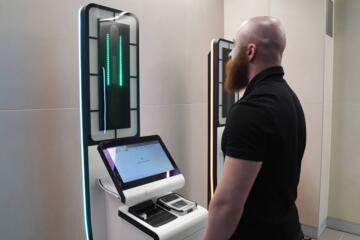
Dependencies matter. Your processing time depends on your travel document type, your citizenship, your visa or visa waiver status, and whether you enter through an airport, land border, or sea port. It also depends on the supporting systems at the border, such as electronic passport readers and advance passenger information systems used by some countries. When those systems are slow or unavailable, staff may revert to manual checks, which increases variability.
People also misjudge transit friction. A “two-hour layover” can shrink quickly if you must clear immigration for a new country, collect luggage, and then re-check bags. Even within the same airport, walking between terminals and passing security can add time that feels unrelated to the border but still occurs after you land.
Solutions And Advice
Build A Buffer That Matches Risk
Use a risk-based buffer instead of a single “safe” number. For example, a same-day connection inside one country might need a smaller buffer than an international connection that requires immigration. Land borders often show wider day-to-day variation than airports, but airports can still spike when flights arrive in clusters.
A practical method: assign each crossing a base processing estimate, then add two buffers—one for queue variability and one for “next step” friction. For a first multi-country trip, many travelers find that adding 60–90 minutes of buffer for immigration processing and 15–30 minutes for terminal movement reduces missed connections. The exact numbers vary by route, but the structure stays useful.
When you choose your buffer, check the connection rules for your transport. Trains and buses may hold departures briefly for late arrivals, but airlines typically do not. If your plan includes a tight airline connection, you should treat the border as a potential show-stopper rather than a minor delay.
Use Document Checks Before You Leave
Border delays often start with preventable document issues. Verify passport validity rules for each destination and transit country. Some countries require additional validity beyond the travel dates, and some require blank pages. If you travel with a passport that has limited remaining pages, you may face refusal or forced processing at the border.
Confirm visa or entry authorization requirements for your exact citizenship and itinerary. If you need an e-visa or an online authorization, complete it early and keep a copy of the approval or confirmation. Many travelers also benefit from carrying printed proof of onward travel when the entry rules request it, even if the airline already checked it.
For digital documents, test access offline. I’ve seen travelers rely on a phone screenshot that fails when roaming data is off. A simple fix is to store PDFs in an offline folder and verify you can open them in airplane mode.
Plan For Luggage And Re-Entry
Air routes often include a hidden time cost: collecting and re-checking luggage after immigration. If you book a ticket with separate reservations, you may need to clear immigration and then re-check bags, which can add a large block of time. If you book a single ticket through an airline alliance, the process can be smoother, but you still need a buffer for border processing.
For trains and buses, luggage rules vary. Some borders require passengers to exit for checks, and that can slow down boarding even if your documents are fine. If you travel with bulky items, plan for extra time to move through the station and to handle inspections.
When you build your schedule, treat luggage handling as part of the border block. If you separate it into a different section, you may underestimate the total time you need between “arrival at the crossing” and “ready to board.”
Track Queue Signals And Adjust
Even with planning, you may need to adjust. Use official sources for border or airport advisories when available, and check transport operator updates for delays. If you see a pattern—such as repeated late arrivals on your route—you can shift your departure time earlier on future days.
For land crossings, queue length can change quickly. A practical approach is to keep a “decision window” in your plan. For example, if you arrive at the crossing and the queue is far longer than expected, you can switch to a different crossing point if it is feasible for your itinerary.
Some travelers use a simple spreadsheet to log actual times. After a crossing, record arrival time, time to first document check, and time to exit the border area. After two or three crossings, your estimates become more realistic for your specific route and travel style.
Case Examples
Example 1: Train Connection With Immigration
A traveler plans a same-day train route that crosses into a second country. The itinerary schedules a 90-minute connection at the border station. On the travel day, the train arrives on time, but immigration processing takes longer because several passengers need document verification. The traveler makes the connection only because they already planned a 20-minute buffer for platform changes and kept carry-on items accessible for inspection.
Example 2: Airport Layover With Separate Tickets
A traveler books two separate flights: arrival in Country A, then a connecting flight from the same airport to Country B. The layover is 2 hours. Immigration processing is manageable, but the traveler must collect checked luggage and re-check it for the second ticket. The traveler completes the border steps but has little time left for security and boarding, so they miss the first departure and must rebook. The lesson is not that the border was slow; it is that luggage re-check time was treated as optional.
Checklist And Comparison
| Scenario | Typical Time Drivers | Planning Buffer | Decision Point |
|---|---|---|---|
| Land border by bus | Queue length, passenger exit/inspection, document checks | Add 60–120 minutes plus 15–30 minutes for boarding friction | If queue is extreme, switch crossing or adjust to later departure |
| Train crossing with reserved seats | On-board checks, secondary verification for some passengers | Add 30–90 minutes for processing variability and platform changes | If delayed, follow station staff instructions for reboarding |
| Airport layover with immigration | Immigration queue, luggage re-check, security after re-entry | Add 90–150 minutes when tickets are separate | If you miss the first flight, use rebooking rules before leaving the airport |
| Same-airport transfer without immigration | Security timing, gate changes, boarding windows | Add 30–60 minutes beyond your airline’s minimum connection time | If gates change, move early; boarding often closes before departure |
Step-by-step checklist for your itinerary
- List every border crossing and every place you must clear immigration or customs.
- For each crossing, estimate three blocks: arrival-to-queue, processing, and next-step movement (platform/security/boarding).
- Add a queue buffer and a movement buffer; avoid relying on a single number.
- Check transport connection rules: airline rebooking policies, train holding practices, and bus departure windows.
- Verify documents for each destination and transit country, including passport validity and entry authorization.
- Plan luggage handling: whether you must collect and re-check bags after immigration.
- After each crossing, record actual times and adjust the remaining itinerary.
Common Mistakes
Scheduling the minimum connection time shown on a booking page can fail on border-heavy routes. Those minimums assume typical processing and do not cover luggage re-check, secondary inspections, or gate changes.
Assuming that “no visa needed” means “no checks” leads to underestimation. Even when entry authorization is automatic, identity verification and customs screening still occur, and some travelers get selected for additional checks.
Carrying documents in a way that slows inspection also causes delays. If your passport, entry authorization, and onward travel details are scattered across bags, you lose time when staff ask for specific items.
Another mistake is ignoring the transit country. Some itineraries include a stopover that counts as entry into a new country, even if you stay near the airport. If you cross into that country, you need the correct entry authorization and a realistic time block.
Finally, travelers sometimes treat border planning as separate from health planning. If you rely on medication, keep it in carry-on and plan for access during delays. If you have a condition that worsens with long waits, build a schedule that reduces time spent standing in queues.
FAQ
How Much Buffer Time Should I Add?
Use a buffer that matches the crossing type. For immigration plus luggage re-check, many travelers plan 90–150 minutes; for land borders, 60–120 minutes plus movement time is common. Your route and connection rules change the number.
Do I Need To Plan For Customs If I Have Nothing To Declare?
Customs checks can still happen even when you expect a quick pass. Plan time for potential secondary inspection, especially when you travel with food, gifts, electronics, or items that may be restricted.
What Documents Cause Delays Most Often?
Passport validity issues, missing blank pages, incorrect entry authorization, and unclear onward travel proof are common friction points. Keeping offline copies of approvals and having documents easy to reach reduces delays.
How Do Separate Tickets Affect Border Time?
Separate tickets often require you to clear immigration and then re-check luggage for the next flight. That adds time and increases the risk of missing the connection if border processing runs slower.
Can I Adjust My Plan After I See Queue Length?
Yes, if your itinerary has flexibility. Use a decision window and know your alternatives, such as a later departure, a different crossing point, or an alternate route that still fits your travel dates.
Author's Insight
Border delays are not random; they follow patterns tied to staffing, passenger volume, and the complexity of document verification. A schedule that separates processing time from terminal movement time performs better than a single “border estimate.” After the first crossing, logging actual times helps you refine the rest of the trip without guessing.
For health-related travelers, the same planning logic applies to medication access and hydration during waits. If you have conditions affected by long standing or stress, build buffers that reduce queue time rather than only protecting connection deadlines.
Key Takeaways
- Plan border time as three blocks: arrival-to-queue, processing, and next-step movement.
- Add buffers based on crossing type and connection rules, not on a universal number.
- Verify passport validity and entry authorization for every country you enter, including transit.
- Account for luggage re-check and secondary inspections, especially with separate flight tickets.
- Record actual times after each crossing and adjust the remaining itinerary.