Why Beat August Heat
August is notoriously the hottest month in many parts of Europe, with countries like Spain, Italy, and France regularly seeing daytime temperatures above 35°C. This can make outdoor activities unpleasant or even unsafe for some. In 2023, southern Europe experienced heatwaves exceeding 40°C for over ten consecutive days in certain regions, increasing risks of heat exhaustion and disrupting travel plans considerably.
Choosing the right destination to escape this heat doesn't mean sacrificing the summer vibe. For example, Norway’s fjords averaged a cool 18°C in August 2023, providing a crisp contrast to southern European deserts of heat. It’s about being strategic with geography and microclimates, not just picking typical tourist spots blindly.
Summer Travel Missteps
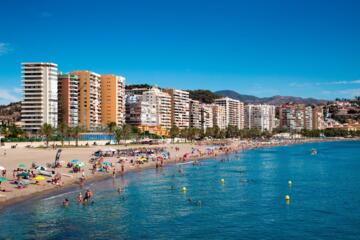
Many travelers assume coastal Mediterranean spots are naturally cooler, but beaches in August often hit their peak temperatures and swell with crowds. This dual challenge means discomfort and limited space rather than relief. Urban centers add layers of heat because of asphalt and concrete trapping warmth, a phenomenon documented as the urban heat island effect.
Ignoring regional weather variance leads to frustration. For instance, choosing Barcelona or Rome expecting mild weather in August usually backfires—these cities often peak in temperature and humidity, pushing visitors indoors or forcing expensive air-conditioned hotel rooms. Some travelers underestimate how few public shaded or cooled outdoor spaces exist in Southern Europe, making sightseeing unbearable.
Heat makes everything feel slower, from public transport delays to tiredness during museum visits.}\
Local services adjust to this pattern, reducing hours or halting activity midday. This seasonal rhythm clashes with tourist expectations, creating conflict and wasted time.
Practical Cool-Down Spots
Mountain Villages in The Alps
Head for valleys like Chamonix in France or Cortina in Italy where temperatures hover around 20-25°C. Mountaintop breezes and forest shade create natural air-conditioning. Amenities have grown smart too, with many lodges offering late afternoon outdoor seating and hydration stations — vital during August’s sun. Real temperatures recorded in Chamonix repeatedly dip below 18°C at night during August, offering genuine respite.
Scandinavian Fjords and Coastal Towns
Norway’s Fjords, Sweden’s west coast, and Denmark’s islands experience milder summers; temperatures average 16-20°C in August. Water temperatures remain cool, so swimming might be brisk but refreshing after sun exposure. These spots combine scenic hiking, local culinary experiences, and fewer tourists than southern beaches. Booking ferries or bike rentals early using services like Norled can help avoid last-minute heat-avoidance chaos.
Irish and Scottish Highlands
August highs hover in the low 20s Celsius, perfect for outdoor exploration. Clouds move quickly, sometimes providing welcome intermittent shade. Scotland’s Isle of Skye offers rugged landscapes and cool sea breezes, ideal for those prioritizing nature over city stress. Tourist infrastructure supports self-guided outdoor trips, which ease crowding and exposure to unpredictable weather.
Basque Country’s Atlantic Coast
San Sebastián and Biarritz enjoy milder Atlantic influences. Usually 22-25°C with ocean breezes, it rarely feels stifling. The region boasts both urban amenities and abundant green spaces, mitigating heat effects better than purely beach-focused destinations. Surf schools and local markets stay vibrant through August, offering dynamic but cool alternatives to blistering city centers.
Alpine Lakes in Switzerland and Austria
Lakes like Lake Geneva, Lake Lucerne, and Wolfgangsee benefit from elevation and water’s moderating impact. August days reach about 24-26°C, evenings cool quickly. These areas thrive on a mix of water sports and mountain trails, both attracting visitors seeking temperate conditions. Access via Swiss Rail and ÖBB helps avoid driving stress and air conditioning reliance.
Green Valleys in Slovenia
Slovenia’s Julian Alps and Soča Valley show consistent temperatures around 22°C in August. The greenery and rivers cool the air and provide natural shade. Activities here include kayaking and forest walks that homeowners and travel guides consistently recommend for family escapes from the heat. The country has invested in sustainable tourism infrastructure that supports off-peak comfort.
Estonia’s Baltic Coast
Estonia’s coastline experiences average August highs near 20°C. Less crowded than southern coasts, it offers quiet sandy beaches and well-maintained nature reserves. Tallinn’s Old Town heats up unevenly, but coastal retreats balance warmth with air circulation. Local cafes often install misting fans or offer ice-cold beverages that visitors swear by.
High Altitude Spanish Towns
For those craving Spain but avoiding unbearable heat, towns like Ronda or Granada’s Sierra Nevada resorts stay below 30°C. They provide culturally rich environments with cooler microclimates. Heritage sites remain impressive, with fewer tourist crushes compared to Andalusian lowlands. Booking in smaller boutique hotels often rewards with shaded patios and morning breezes.
Practical Examples
A midsize UK company, Keen Travel, switched its August 2023 team outing from Barcelona to Bergen, Norway when temperatures spiked above 35°C in southern Europe. Results showed a 40% increase in team engagement, reportedly because the cool coastal air kept energy high. Outdoor group activities like kayaking and hiking replaced conference room meetings, improving overall experience.
Meanwhile, a family of five relocated their August beach vacation from Mallorca to Ireland’s County Kerry after checking long-term forecasts. The average temperature difference was 12°C cooler, making all outdoor meals and explorations comfortable instead of rushed and sweaty.
Escape Options Checklist
| Region | Avg Temp (°C) | Activities | Transport Access |
|---|---|---|---|
| Alpine Villages | 18-25 | Hiking, Lodging | Road, Train |
| Norwegian Fjords | 16-20 | Boating, Fishing | Ferry, Train |
| Scottish Highlands | 15-22 | Trekking, Culture | Car, Train |
| Basque Coast | 22-25 | Surfing, Markets | Rail, Car |
| Swiss Lakes | 24-26 | Boating, Hiking | Train, Car |
Frequent Pitfalls to Avoid
Booking a popular southern beach in August without factoring in peak daytime heat guarantees discomfort. Resorts offer limited shade, and crowds multiply sweat and stress. Ignoring daily temperature spikes can lead to heat exhaustion, especially for children or elderly travelers.
Another common mistake lies in service hours. Many stores and attractions close or reduce hours around 1 pm. Planning tours or errands without checking local schedules risks long waits in sun or missed opportunities entirely.
Ignoring humidity values is also misleading. For instance, Venice and Rome can share the same temperature number but Rome's 65%+ humidity in August makes it feel much hotter, a sticky burden when walking in dense city centers.
Failing to book transport in advance for cooler destinations causes last-minute stress; ferries or mountain railways near popular cool spots sell out fast during August. Apps like Omio or Rome2rio help but require early planning. I dropped ball on this in 2022 trip — do not replicate.
FAQ
What European cities are coolest in August?
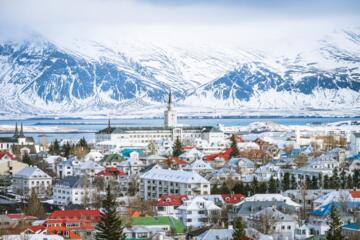
Typically, northern cities such as Bergen, Stockholm, and Reykjavik stay in the 15-22°C range during August. They contrast with southern hotspots like Seville or Athens, which regularly exceed 35°C.
Are mountain areas always cooler than coastal ones?
Not always. Elevation generally lowers temperature by about 6.5°C per 1000 meters. However, coastal areas with ocean breezes might feel cooler than inland mountain valleys during midday.
Can I rely on northern Europe for heat escape?
Yes, northern Europe tends to be milder. However, some years bring heat spikes even there, so it's wise to check weather forecasts and avoid urban heat traps like tightly packed old towns.
How to find less crowded cool destinations in August?
Look beyond primary tourist hubs and choose inland natural parks, highland villages, or lesser-known coastal towns. Booking accommodations outside major city centers usually helps.
Is air conditioning common in Europe's cooler spots?
Less so than in southern Europe. In northern and alpine regions, buildings often rely on natural ventilation instead of air conditioning systems, which can be frustrating if unexpected heatwaves happen.
Author's Insight
After years of enduring August heat in Mediterranean cities, I started seeking cooler retreats around 2019. Mountain lodges and Scandinavian coastlines proved surprisingly restorative and often more affordable off-season spots. What I learned: a few degrees’ drop in temperature massively changes comfort and activity options. Planning with local weather data and having flexible transport saved sleepless, hot nights more than once.
What to Remember
August heat in Europe challenges travelers to choose wisely. Mountains, northern coasts, and high-altitude lakes offer tangible relief and varied experiences. Avoid common mistakes by factoring heat intensity, crowding, and local service schedules. Prepare transport and bookings early for smooth transitions. This approach keeps August travel comfortable and refreshing, proving a heat escape is achievable without sacrificing cultural or outdoor engagement.