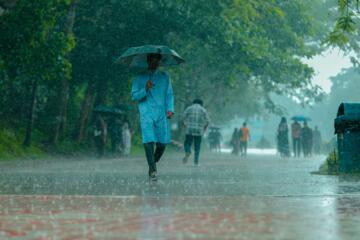
Bali Wet Season Basics
Bali’s wet season typically runs from around October to April, with rainfall that varies by month and by region on the island. Coastal areas can see heavy downpours that last minutes to hours, while inland areas may experience different intensity due to local terrain and wind patterns. Travelers often notice that rain comes in bursts rather than steady rainfall, which changes how you plan walking, scooter rides, and outdoor meals.
For health and comfort, the key mechanism is not only “how much rain,” but how rain changes humidity, surface wetness, and air movement. After a downpour, roads stay slick, and damp air can feel warmer even when temperatures do not change much. If you are prone to skin irritation, fungal overgrowth, or asthma symptoms, the combination of humidity and reduced ventilation in vehicles can matter more than the rain itself.
Inter-island transit adds another layer: ferries and small boats are sensitive to wind and wave height, and schedules can shift with short notice. Even when a route operates, delays can change meal timing, medication routines, and hydration habits. If you rely on connections, build in buffer time because “on time” becomes a moving target during monsoon conditions.
Rainfall And Transit Pain Points
People often plan wet-season days using a single “rain probability” number, then get surprised when storms arrive in short, intense bursts. Rainfall forecasts can be useful at the hourly level, but daily averages hide the timing that affects whether you can safely walk to a stop, wait for a ride, or keep electronics dry.
Another common mistake is assuming that inter-island travel risk is only about whether a ferry cancels. In practice, partial disruptions happen too: a vessel may depart later, switch to a different berth, or reduce onboard services when weather conditions worsen. That can affect how long you are exposed to damp air, how quickly you can reach a pharmacy, and whether you can keep a consistent sleep schedule.
Supporting technologies shape what you can know before you go. Weather apps often blend satellite estimates, radar where available, and local station data, but they do not measure wave height directly. Ferry operators may post updates through their own channels, while airports publish flight status through airline systems and airport boards. When these sources disagree, you need a decision rule for what to trust first.
Finally, travelers sometimes underestimate secondary health effects of transit delays. Waiting longer in humid conditions can worsen dehydration risk, especially if you are also sweating from walking in heat between terminals. Motion sickness can also intensify when you are stressed and the ride becomes rougher than expected.
Plan For Rain And Delays
Use Hourly Weather, Not Averages
Check forecasts in hourly blocks for the specific area you will be in, not just “Bali” as a whole. Look for patterns like a storm window in the afternoon, then plan your outdoor time before that window. If your plan involves scooter travel, treat heavy rain as a “no-go” period for long rides because visibility and road traction drop quickly.
For practical packing, bring a compact waterproof layer and a small dry bag for phone and documents. A side observation from trip planning in 2024: many travelers carry umbrellas that flip in gusts, while a hooded rain jacket stays more stable during sudden squalls. If you have asthma or allergies, keep your reliever medication accessible rather than buried in a backpack.
Build Buffer Time For Ferries
When traveling between Bali and nearby islands, plan around the possibility of late departures. A realistic approach is to add extra time for check-in and boarding, then keep a second plan for meals and medication access if the schedule slips. If you connect to another transport mode, avoid tight transfers that leave no room for boarding delays.
For health routines, set a “time anchor” that does not depend on the ferry leaving on schedule. For example, take hydration and any scheduled medication at fixed times you control, then adjust food timing to match what is available onboard or at the next port. This reduces the chance that a delay turns into missed doses or skipped meals.
Choose Routes With Better Information
Different operators and routes publish updates in different ways, and that affects how quickly you can react. Prefer routes where you can access status updates close to departure time through official channels, such as operator announcements or airport/terminal boards. If you only learn about changes after you arrive at the port, your options shrink fast.
For navigation and safety, download offline maps and keep a screenshot of your booking details. A minor frustration many travelers report: Wi‑Fi at terminals can be unreliable, and messaging apps may fail when networks are overloaded. Offline access helps you find the right counter, locate a sheltered waiting area, and confirm the correct departure point.
Reduce Humidity-Related Discomfort
Wet-season humidity can worsen skin irritation and respiratory comfort, especially during long waits. Wear breathable clothing that dries quickly, and change out of damp layers when you can. If you are prone to athlete’s foot or intertrigo, keep footwear dry and consider moisture-wicking socks for multi-day trips.
For respiratory comfort, avoid prolonged exposure to damp, enclosed spaces when alternatives exist. If you are sensitive to smoke or strong odors, note that enclosed boats and crowded terminals can concentrate irritants. Carry a small mask if you know it helps you personally, and use it during crowded boarding lines.
Educational Case Examples
Scenario 1: A traveler plans a day trip from southern Bali to an island destination during a forecasted “rainy afternoon.” The forecast shows a higher chance of rain between 2:00 and 5:00 p.m. They schedule the outdoor segment before 1:30 p.m., then use the rain window for indoor meals and rest. When a storm arrives at 3:10 p.m., they already have dry clothes and a protected place to wait, so the day does not collapse into constant rescheduling.
Scenario 2: A couple books a ferry connection with a short transfer to a second mode of transport. Weather worsens and the ferry departs later than planned. Instead of relying on the original arrival time, they follow a buffer plan: they eat earlier at the port area, keep medication accessible, and use offline maps to reach the next transport counter even if the schedule shifts. The trip still costs extra time, but it avoids missed doses and last-minute stress.
Transit Planning Checklist
| Decision Point | What To Check | If Conditions Worsen | Health/Comfort Action |
|---|---|---|---|
| Before leaving | Hourly rain timing for your exact area | Shift outdoor segments earlier; shorten scooter rides | Pack dry bag, rain layer, and accessible meds |
| Port/terminal | Operator updates and departure board status | Plan for delays; avoid tight transfers | Hydrate, change damp layers if possible |
| Onboard | Roughness and ventilation conditions | Choose sheltered seating; reduce exposure to spray | Use motion-sickness plan; keep meds accessible |
| After arrival | Local weather for the next leg | Rebook or adjust transport if roads are unsafe | Dry off, eat, and reset sleep schedule |
Common Mistakes To Avoid
Travelers sometimes pack only one rain protection item, then discover it fails when wind gusts or heavy downpours last longer than expected. A hooded rain jacket plus a dry bag for electronics tends to be more reliable than relying on a single umbrella.
Another mistake is assuming that “rainy season” means every day is equally wet. Rain intensity often varies by week, and the timing of storms matters for transit safety and comfort. If your schedule depends on walking between points, check hourly forecasts the day of travel.
Many people also underestimate how quickly humidity affects clothing and footwear. Damp shoes can worsen skin irritation and increase discomfort during long waits. If you can, bring a spare pair of socks and plan a quick dry step when you reach your next stop.
Finally, travelers sometimes treat ferry delays as purely logistical, ignoring medication timing and hydration. Delays can stretch waiting periods, and waiting in humid conditions can increase dehydration risk. A simple routine—water, accessible meds, and a plan for meals—reduces the health impact of schedule changes.
FAQ
When Does Bali’s Wet Season Peak?
Wet-season conditions commonly intensify from around December through March, though rainfall varies by year and by location on the island.
Do Ferries Always Cancel In Heavy Rain?
Not always. Operators may delay departures or run reduced schedules depending on wind and wave conditions, so check official updates close to departure.
What Should I Pack For Humidity?
Bring quick-dry clothing, moisture-wicking socks, a rain layer, and a dry bag for documents and electronics. If you have skin or respiratory sensitivities, pack your usual personal aids.
How Can I Plan Inter-Island Connections Safely?
Add buffer time for check-in and boarding, avoid tight transfers, and keep medication and hydration routines independent of the exact departure time.
Are Weather Apps Accurate For Hourly Rain?
They can be useful for hourly timing, but they estimate rainfall rather than directly measuring sea conditions. Use them for planning windows, then rely on operator or terminal updates for transit decisions.
Author's Insight
Wet-season travel risk comes from interactions between weather, transport operations, and human routines. Rainfall forecasts help with timing, but ferry safety depends more directly on wind and wave conditions than on rainfall alone. For health planning, the most predictable effects are humidity-related discomfort, dehydration risk during delays, and reduced visibility during downpours.
Because schedules can change quickly, decision-making works best when you separate “weather planning” from “departure confirmation.” Use hourly forecasts to plan your day, then use official operator or terminal status to decide whether to commit to a specific departure.
If you share your route details and travel dates, you can build a tighter plan around likely storm windows and realistic connection buffers, without assuming every day behaves the same.
Key Takeaways
- Plan around hourly rain timing, since wet-season storms often arrive in bursts rather than steady drizzle.
- Inter-island transit risk includes delays and schedule shifts, not only cancellations.
- Use buffer time for port transfers and keep hydration and medication routines independent of exact departure times.
- Pack for humidity and damp surfaces to reduce skin and respiratory discomfort during waits.
- Rely on official transit updates close to departure, since weather apps do not directly measure sea conditions.