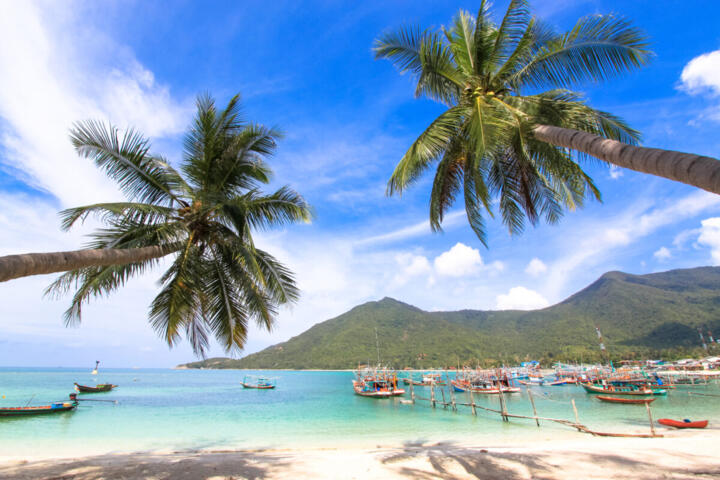
Start Your Thailand Journey
Thailand attracts nearly 40 million tourists yearly with its blend of history, vibrant cities, and natural beauty. For a 14-day trip, a clear route helps maximize diverse experiences without feeling rushed. Bangkok, Chiang Mai, and southern islands offer contrasting vibes: urban bustle, cultural heritage, and relaxing beaches. For example, spending 4 days in Bangkok introduces you to the Grand Palace and street food markets. Later, 3 days in Chiang Mai immerse you in local arts and mountain temples. Planning daily travel with actual distances in mind saves you confusion and fatigue.
Adjusting with 45-minute flights between Bangkok and Chiang Mai cuts down hours lost on buses or trains. Book domestic flights early; airlines like Thai AirAsia or Nok Air often have fares under $30 one way. Remember, travel times matter more than just distances here.
Pitfalls First-Timers Face
New visitors often cram too many destinations, hoping to see all highlights. This backfires by turning a vacation into a race. Bangkok to Phuket by bus takes over 12 hours, not something to casually add on after a packed city tour. Another error involves misunderstanding climate variations — northern Thailand cools in December, but southern beaches can be surprisingly rainy. Overbooking activities wastes time if transport delays happen, common during festival seasons or rainy days. Not pre-booking accommodations near transit hubs results in hefty taxi fares and a loss of time, especially in sprawling cities.
Safety issues arise too: ignoring traffic rules leads to accidents, since motorbike rentals are popular but risky without experience. Language barriers sometimes cause missed connections or overpriced services. It's easy to underestimate how local holidays affect opening hours or transport schedules.
Suggestions for Your Route
Focus on Three Main Stops
Pick Bangkok for urban life, Chiang Mai for culture, and an island like Koh Samui or Phuket to rest. Picking one southern island saves inter-island transfers that eat hours. This structure balances city exploration, nature, and relaxation.
Book Flights Early
Use Skyscanner or Google Flights to compare prices two months ahead. Booking between cities reduces travel time by 70% compared to ground transport. Flights often cost around $25 and last under 90 minutes.
Opt for Local Transport Apps
Grab app handles taxis efficiently in cities. Motorbike rentals cost $6 to $10 per day but require caution. Buses between towns run frequently; express buses avoid local stops, saving time. Expect delays when traveling over long distances in high season.
Reserve Accommodations Near Transit
Stay close to BTS stations in Bangkok or near the Old City in Chiang Mai. In islands, choose beachfront bungalows or small guesthouses at central piers. This cuts daily commutes by half an hour or more.
Plan Day Trips
Allocate specific days for excursions like Ayutthaya ruins from Bangkok, Doi Suthep temple in Chiang Mai, or the Ang Thong marine park on Koh Samui. Tours start early and finish before sunset, preventing rush.
Pack Smart
Weather shifts in northern Thailand need layers; southern heat insists on light clothing. Reusable water bottles and insect repellent up your comfort. Don’t bring more than 7kg; laundries are cheap.
Use Cash and Cards Wisely
ATMs are widely available but charge extra fees. Plan cash withdrawals in larger amounts to avoid multiple charges. Most shops accept credit cards, but street markets are cash-only.
Schedule Downtime
Thailand’s sensory overload demands slow moments. Reserve at least half a day free every 3–4 days to recharge or explore offbeat neighborhoods without pressure.
Stay Updated on Local Events
Check festival dates and public holidays to avoid crowded sites or closed businesses. Songkran in April floods streets with celebrations, a fun but chaotic experience.
Real Trip Stories
A couple flew into Bangkok, then caught a 70-minute plane to Chiang Mai. They booked a guided jungle trek on day 3, which boosted their picture count by 300 and gave them insight into hill tribe cultures. Finally, a 1-hour flight took them to Koh Phi Phi for 5 days of snorkeling and beach time. Their combined flights and tours cost under $400 total, a deal compared to local private tours floating over $50 per person for one afternoon.
Another solo traveler took the overnight train from Bangkok to Surat Thani, saving a night’s accommodation but arriving exhausted, which shortened enjoyment of the island days. The lesson: trains save money but shift your schedule.
Route Planning Checklist
| Step | Action | Why | Tools |
|---|---|---|---|
| 1 | Choose three areas | Focus your trip efficiently | Travel blogs, guides |
| 2 | Book early flights | Save time and money | Skyscanner, Agoda |
| 3 | Reserve nearby stays | Less commute fatigue | Booking.com, Airbnb |
| 4 | Plan day tours | Maximize highlights | Viator, local guides |
| 5 | Pack light | Easier transport | Packing lists, blogs |
Trip Mistakes to Dodge
Booking last-minute trains in high season leads to waitlists or no seats. Plan early and buy tickets on sites like 12Go Asia even if the interface feels wonky sometimes. Avoid full itineraries—too tight, no margin for delays or sudden weather changes. Ignoring visa requirements can cause border stress; check entry rules well ahead. Buying SIM cards at the airport rather than downtown gives you better prices and faster setups, a detail many overlook. Don’t rely solely on Google Maps; offline apps prove lifesavers in remote areas or spotty reception.
FAQ
What is the best time to visit Thailand?
November to February offers cooler, drier weather, ideal for most regions. Southern islands can be more unpredictable outside this window.
How many days should I spend in Bangkok?
Four days balance sightseeing and downtime well, including temples, markets, and a day trip to Ayutthaya.
Are domestic flights necessary?
Yes, for saving time and energy. Flights under $30 sharply reduce travel times compared to buses or trains.
Do I need vaccinations before traveling?
Routine vaccines plus hepatitis A and typhoid are recommended. Check with a travel clinic for specifics.
Can I use a credit card everywhere?
Major cities and big shops accept cards, but cash is preferred in markets and rural areas.
Author's Insight
On my first 14-day trip to Thailand in late 2019, I tried to fit too many locations, switching hotels every night. It exhausted me, and I missed seeing Chiang Mai properly. Staying longer in fewer places gave me the chance to slow down, interact with locals, and absorb the atmosphere. Flights booked via Thai AirAsia were a headache twice—one delay and one canceled flight that squeezed the plan dangerously. After that experience, I always allow buffer days for unexpected changes, which often happen. Packing just a small daypack made transfers smoother and reduced stress.
What to Remember
Thailand’s variety demands thoughtful pacing: pick key areas to avoid burnout, book travel and stays early, and lean on local transport apps. Flying between northern and southern spots beats long bus rides for a 14-day window. Stay alert for local conditions and pack light, adding daily free time. This route unlocks Thailand’s culture, nature, and relaxation, giving first-timers a memorable start.