Why Plan Tokyo Slow?
Tokyo spreads across more than 2,000 square kilometers with 14 million residents, offering so many sights it can overwhelm first-timers. A packed day crams in too much, tiring the body and blurring memories. Slowing down lets you enjoy the subtle layers of culture—the quiet shrines tucked between skyscrapers or a ramen shop locals swear by.
For example, dedicating four hours to explore Asakusa’s Senso-ji temple lets you absorb details like ochre gates, carefully maintained gardens, and the nearby Nakamise shopping street. It took me about 15 years to experience Tokyo in layers; this itinerary is a shortcut.
Tokyo’s transit maps show nearly 300 stations, but hopping from Shibuya to Odaiba on foot or by boat changes the perspective. You don’t cover less; you choose depth over speed.
Plan for 3 days, with a mix of walking, train rides, and brief rest pauses. It pays off.
Common Travel Hurdles
Many visitors fall into the trap of squeezing in seven or eight landmarks daily, assuming quantity equals value. This train-wreck approach leads to exhaustion and superficial visits. One day I saw a couple rush through the Meiji Shrine in 20 minutes—they missed the serenity the place demands.
Another issue: ignoring transit times and underestimating walking distances. Tokyo can take 30 to 45 minutes between hotspots, plus longer waits on weekends. You think you have plenty of time until trains get crowded or you face multiple transfers.
This mismatch causes skipping meals or rushing meals, missing out on the food culture that carries so much of Tokyo’s charm. Also, some neighborhoods like Yanaka reward slow wandering but vanish if you hurry.
Practical Tips & Insights
Focus on One Area Daily
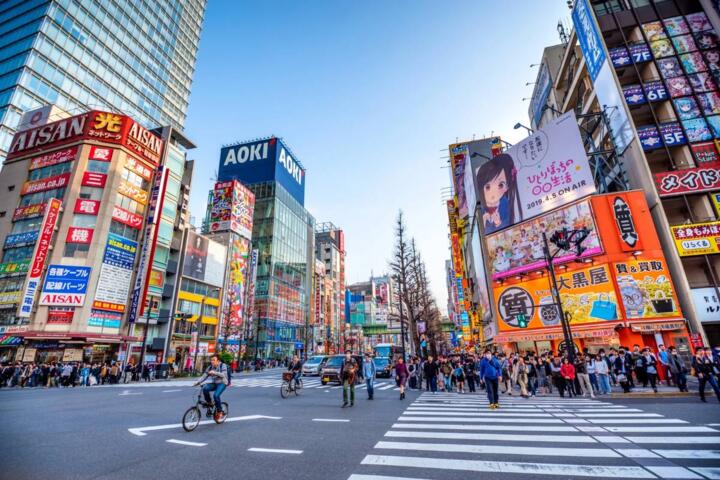
Dedicating an entire day to Shinjuku, Shibuya, or Asakusa reduces transit stress. For example, day one tackles Shibuya's famous scramble crossing and Harajuku's Takeshita Street, followed by a stroll in Yoyogi Park. This cluster approach lets you explore 5–7 key spots comfortably.
Use a Suica or Pasmo Card
Preloaded rail cards save fumbling at ticket machines; they cover trains, buses, and even convenience stores. These cards also track expenses neatly. I topped mine with about ¥3,000 (~$22) per day—more than enough for transit and some treats.
Schedule One Long Meal Break Daily
Reserve 60–90 minutes for lunch or dinner at standout places like Tsukiji Outer Market or a specialized sushi bar. This break acts as a reset, preventing burn-out and giving time to savor the city’s culinary detail. In Tsukiji, I spent a solid hour sampling fresh uni and grilled fish, appreciating every bite.
Include Green Spaces
Balance city clamor with calm spots like Ueno Park or the Imperial Palace gardens. These quiet respites, while active sites themselves, offer shade and seating, aiding energy levels with minimal cost or detour.
Start Early, But Not Too Early
A 9 AM start avoids both the morning rush and late-night fatigue. Shops open around 10, so mornings suit temple visits or relaxed neighborhoods like Daikanyama with open cafes and small boutiques.
Reserve Tickets in Advance
For museums like Mori Art Museum or the teamLab Borderless digital exhibit, pre-booking cuts queue time drastically. Tickets come around ¥3,200–4,000 per entry. Skip the lines, gain calm.
Wear Good Shoes
Walking in Tokyo averages 15,000 steps daily in this itinerary. Comfortable footwear is not optional—it’s survival. Even better when shoes are waterproof, summer’s sudden rain hits unexpectedly.
Download Transit Apps
Apps like ""Tokyo Subway Navigation"" or ""Navitime"" provide offline maps and accurate train times, including last-minute platform changes. I swear by version 6.3 - it rarely glitches.
Be Mindful of Daylight
Starting with outdoor landmarks early maximizes natural light. After 5 PM, focus on dining or indoor culture—museums, bars, or shops with extensive lighting. Season matters; winter sunsets come early.
How Others Did It
A couple from Sydney used this itinerary in 2023. Day one in Shibuya and Harajuku, with reserved tickets for teamLab on day two and a relaxed cruise around Odaiba on day three. They reported 20% less fatigue and felt they absorbed Tokyo’s vibe better.
A US solo traveler chose Asakusa, Ueno, and Ginza over three days, paying close attention to transit apps and scheduled breaks. They doubled food spending but halved stress and returned with detailed travel notes and photos rather than a blur of exhaustion.
Quick Travel Checklist
| Task | When | How | Tip |
|---|---|---|---|
| Buy Transit Card | Before Arrival | Online or Airport | Pasmo or Suica |
| Reserve Tickets | 1 Week Prior | Official sites | Skip lines |
| Plan Routes | Night Before | Transit apps | Min transfers |
| Pack Shoes | Day Before Travel | Comfortable | Waterproof preferred |
Errors to Dodge
Don’t cram your itinerary with too many distant sites in a single day. Tokyo’s charm suffers when travel becomes a race. Arriving late at places means tickets, shops, or exhibits might close early.
Don’t neglect hydration—you burn calories just walking in the humid summers. Convenience stores offer cheap drinks; grab one every few hours.
Avoid starting at peak commute hours; the trains get uncomfortably crowded. Between 7:30 and 9 AM, everything fills up fast.
Skipping breaks breaks the experience. Even locals pause for coffee or noodles, so should you.
FAQ
How much walking is typical daily?
Expect 10,000 to 15,000 steps due to neighborhood exploring and transit station navigation.
Are English signs available everywhere?
Most train stations and popular tourist areas have English signage, but smaller streets may not. A translation app helps.
Should I book tickets in advance?
Reservation is recommended for popular museums, theme parks, and dining at renowned restaurants.
What transit passes suit tourists best?
Suica or Pasmo cards offer convenience and cost efficiency for general travel around Tokyo.
Is cash or card preferred in Tokyo?
Cards work well in major stores and restaurants, but many smaller places prefer cash, so carry some yen.
Author's Insight
Having spent weeks in Tokyo over the past decade, I learned that rushing only wastes the moment. My favorite days included sipping matcha near quiet shrines, then wandering into buzzing streets once evening lights came on. Planning carefully allowed me to catch the autumn foliage at Meiji Shrine in 2021, a sight too subtle to miss with a full schedule. Trust your pace, and let Tokyo surprise you bit by bit.
Final Thoughts
Take three days to explore Tokyo by focusing on one area each day, using transit passes, and scheduling long meals. Prioritize comfortable shoes and breaks to avoid fatigue. Advance bookings save time, and transit apps keep you on track. This thoughtful approach turns a frantic trip into a rewarding experience.