Patagonia Transport Basics
Argentina’s Patagonia stretches across long distances, so transport choices shape your itinerary as much as the attractions. Buses connect most towns on fixed schedules, while flights reduce travel time between major hubs. A typical plan pairs a flight into a gateway city with buses or short transfers to reach smaller destinations.
Common gateway patterns include flying into El Calafate for Los Glaciares National Park and then using buses to El Chaltén, or flying into Ushuaia for Tierra del Fuego and then taking buses locally. For the Chile side, Punta Arenas and Puerto Natales often serve as starting points, with cross-border routes depending on your exact itinerary and entry rules.
Schedules and prices change by season and demand, and some routes run fewer departures outside peak months. If you travel with checked luggage, the “cheapest” option can become expensive once baggage fees and seat selection are added.
Seasons That Change the Math
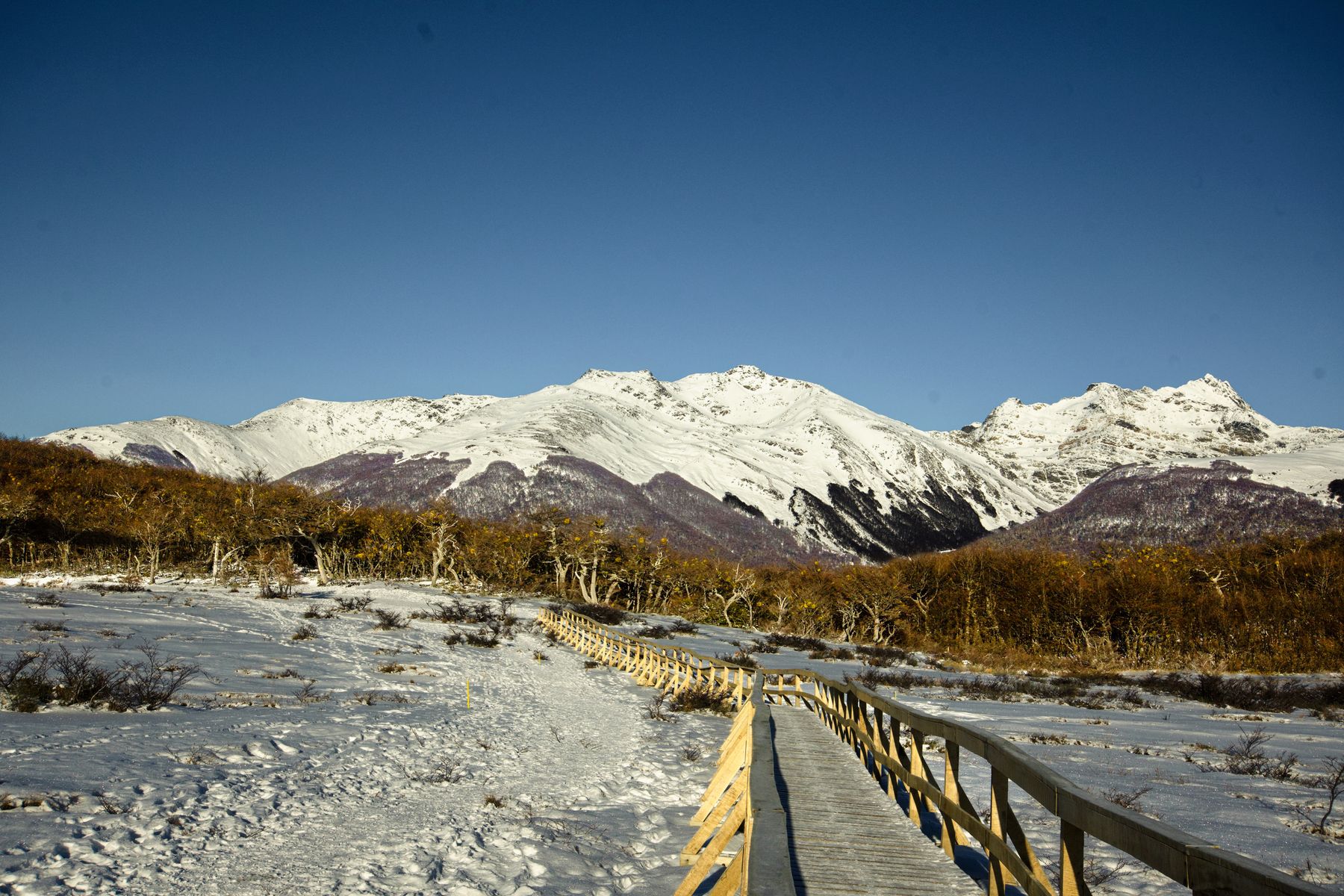
Patagonia’s seasons affect both comfort and logistics. Summer (roughly December to March) brings longer daylight and generally more stable conditions, which supports more frequent departures and higher demand. Winter (roughly June to August) can bring snow and ice on roads, and some services may run less often or with reduced frequency.
Shoulder months like April–May and September–October often offer a trade-off: fewer crowds and sometimes lower prices, paired with more variable weather. In these months, it’s common to see schedule changes close to departure dates, especially for routes that depend on road access.
For planning, treat weather as a schedule risk, not just a comfort factor. If you have a tight connection window—say, arriving by bus and needing to board a tour the same day—build a buffer. A delay of a few hours can turn a “same-day” plan into an overnight stay.
One small practical detail: if you book in a time zone that differs from your departure airport, double-check the local departure time shown on your ticket. I’ve seen travelers miss a bus because the confirmation email displayed times in a different zone (I noticed this while reviewing a test itinerary in Google Calendar version 2024.08).
Bus Vs Flight: How To Choose
Use a decision framework based on time, cost, luggage, and flexibility. Buses tend to win when you want fixed ground connections, you’re traveling with multiple bags, or you prefer to avoid airport procedures. Flights tend to win when you need to cover long distances quickly or you’re connecting between major hubs.
For many itineraries, the most practical approach is mixed: fly into a gateway, then use buses for the “last mile” between towns. This reduces the number of long ground days while keeping costs manageable.
When comparing options, calculate total travel time including transfer buffers. For flights, include time for check-in, security, and getting from the airport to the town center. For buses, include the time you need to arrive early for boarding and any scheduled stops.
Route Fit And Time Buffers
Start by listing the exact legs you’ll travel, then compare typical door-to-door time. On many Patagonia routes, buses can take most of a day, while flights can cut travel time dramatically between hubs. If your itinerary includes same-day tours, aim for a buffer of at least half a day after a long bus ride, and at least 3–4 hours after a flight arrival before a fixed departure.
For example, if you plan to arrive in El Calafate and join a glacier day trip, you’ll often need to choose a flight that lands early enough for the tour’s pickup window. If you arrive late, you may lose the day and pay for an extra night.
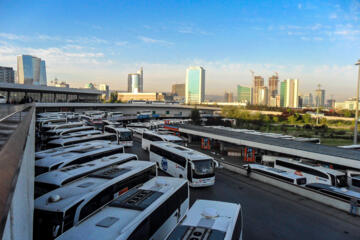
Also check whether the bus station is in the town center or farther out. In some places, the transfer from station to hotel adds time that doesn’t show up in the route duration.
Seasonal Pricing Patterns
Prices in Patagonia usually rise during peak summer demand and around major holidays. Winter can be cheaper, but the trade-off includes fewer departures and higher weather risk. A practical approach is to set a “price ceiling” for each leg and compare multiple departure dates rather than only one day.
As a rough planning range (not a guarantee), domestic flights between major hubs can cost more than bus travel when booked late, while buses often keep a steadier price structure. For long-distance legs, the cheapest flight fare can disappear quickly, and baggage fees can change the total.
One incidental detail that helps: when you compare fares, check whether the fare includes a seat assignment. Some airlines charge for seat selection, and the cost can vary by route and booking channel.
Baggage, Tickets, And Rules
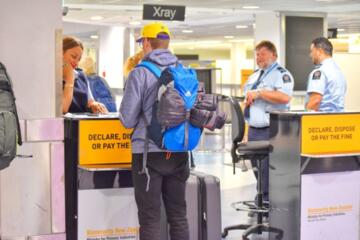
Write down your baggage needs before you compare prices. If you’re traveling in winter months, you may need a checked bag for insulated layers and waterproof gear. Many low-cost flight fares restrict changes and refunds, and they may charge for checked luggage even when the base fare looks low.
For buses, tickets are often tied to a specific departure time, and rescheduling rules vary by operator. If you’re booking through a third-party site, read the cancellation and change policy carefully because it can differ from the operator’s direct terms.
Also check whether your ticket includes a reserved seat. On long routes, seat selection can affect comfort, especially if you’re sensitive to motion or plan to sleep.
Weather Risk Management
Plan for disruptions without assuming they will happen. For flights, check the airline’s rebooking policy and whether you’ll be offered an alternative flight automatically. For buses, look for operator guidance on delays and whether they provide updates by phone, email, or social channels.
Build a buffer day when your itinerary depends on a fixed schedule like a guided trek or a boat departure. If you’re traveling in shoulder season, the buffer matters more because road conditions can shift quickly.
A mild frustration many travelers report: confirmation emails sometimes omit the local “boarding time” and only show the departure time. If the bus boards 30–45 minutes before departure, arriving exactly at departure can cause stress.
Educational Case Examples
Scenario 1 (Summer, time-sensitive): A traveler lands in El Calafate in late afternoon and wants to reach El Chaltén the same evening. A bus option exists, but the departure time leaves little margin for hotel check-in and dinner. The flight alternative is not available for this leg, so the traveler chooses the bus and adds a buffer by booking lodging near the bus station. The outcome is a smoother start for a next-day hike, even though the bus takes longer than expected.
Scenario 2 (Shoulder season, budget-focused): A couple travels in September and wants to minimize costs while keeping flexibility. They compare two bus departure dates and one flight into a gateway city. The cheapest flight fare sells out for the preferred date, so they switch to a bus for the longer ground leg and keep the flight for the hub-to-hub segment. Weather variability leads them to avoid a same-day tour after arrival, which reduces the risk of losing a paid activity.
Comparison Checklist
| Decision Factor | Bus Tends To Fit | Flight Tends To Fit | What To Check Before Booking |
|---|---|---|---|
| Time | Longer travel day accepted | Need to cover distance quickly | Door-to-door time and transfer buffer |
| Luggage | Multiple bags, winter gear | Carry-on only or checked included | Baggage fees and seat selection charges |
| Flexibility | You can shift dates | You accept fare restrictions | Change/refund rules on your exact fare |
| Weather Risk | You can handle delays | You prefer rebooking options | How updates arrive and what happens if canceled |
Step-by-step checklist for each leg: write the departure date, confirm the local departure time, estimate door-to-door duration, price the option with baggage included, then decide whether you can add a buffer day. If you cannot add a buffer day, choose the option with the least schedule sensitivity for that specific route.
Common Mistakes To Avoid
Booking only by “cheapest headline price” often leads to surprises. Flight fares can exclude checked baggage, and bus tickets can exclude seat assignment or include limited change options.
Another mistake is assuming the bus duration equals the travel day. Many routes include scheduled stops and boarding windows, so the time you spend “on the road” can differ from the time you spend away from your hotel.
Travelers also underestimate the effect of hotel location. A bus station transfer can add 20–60 minutes depending on where you stay, and that matters when you’re trying to catch a tour pickup.
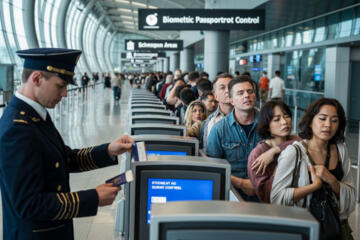
Finally, people sometimes ignore cross-border timing. If your itinerary includes border crossings, the time window for documents and processing can vary, and it can affect both bus and flight connections.
FAQ
Are buses slower than flights?
For long-distance legs between major hubs, flights usually cut travel time. For shorter town-to-town segments, buses can be competitive once you include airport procedures and transfers.
Which season has the most reliable schedules?
Summer typically has the most stable demand and more frequent services. Shoulder months can bring more schedule changes due to weather and road conditions.
Do I pay extra for luggage on flights?
Many fares charge for checked baggage or restrict it by fare type. Compare the total cost for your exact baggage plan, not the base fare.
What happens if a bus is delayed?
Delays can occur due to road conditions. Operators may update passengers through their channels, but policies vary, so check the ticket terms and plan a buffer if you have fixed activities.
How far in advance should I book?
Booking earlier usually helps during peak summer and holiday periods. For winter and shoulder months, availability can still change, so confirm departure frequency and ticket rules for your dates.
Author's Insight
Transport planning in Patagonia works best when you treat schedules as probabilistic rather than fixed. Buses depend on road access and can shift by hours, while flights depend on airport operations and can shift through cancellations and rebookings. The most reliable strategy is to match the transport mode to the leg length and to your tolerance for delays, then price the trip with baggage and change rules included.
If you want a practical workflow, compare two or three departure dates for each leg, then test whether your itinerary still works if one connection slips. A small buffer day often costs less than changing a tour booking after a disruption.
Key Takeaways
- Flights reduce time between major hubs; buses often work better for town-to-town legs and when you travel with multiple bags.
- Season affects both demand and weather risk, with summer usually offering more stable schedules and shoulder months bringing more variability.
- Compare total costs including baggage, seat selection, and change/refund restrictions, not just the headline fare.
- Build buffers around fixed tours, especially after long bus rides or during shoulder seasons.