New Zealand Biosecurity Basics
New Zealand’s biosecurity system targets organisms that can harm agriculture, native ecosystems, and public health. For travellers, the main risk comes from items that may carry soil, plant material, insects, or animal products. That includes obvious items like fresh fruit, but also less obvious items such as hiking boots with mud, fishing gear with water residue, and camping equipment stored outdoors.
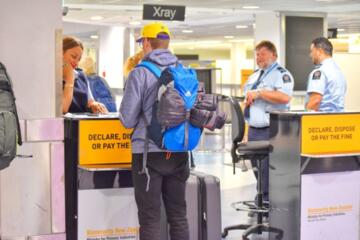
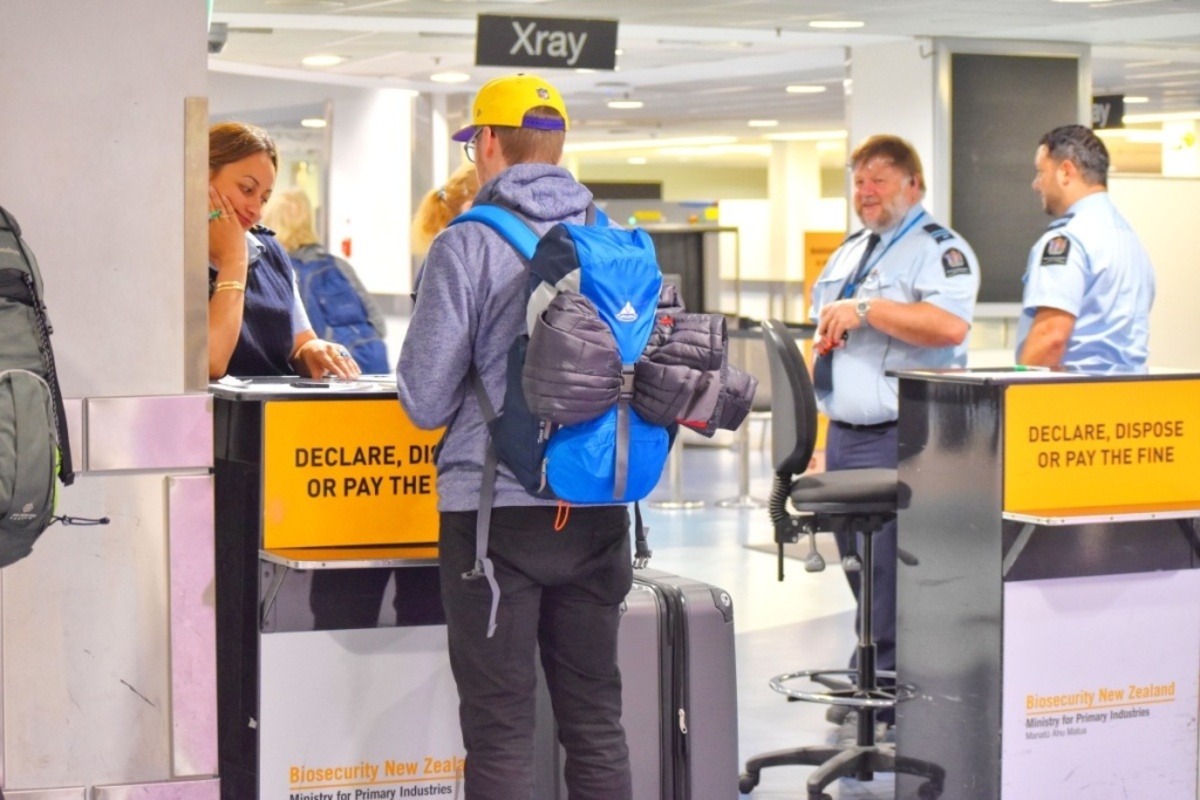
At the border, travellers may be asked to declare goods and may face screening or inspection. If an item is suspected of carrying biosecurity risk, it can be seized, treated, or destroyed depending on the situation. The process is designed to be fast, but it depends on what you bring and how well you prepared before travel.
In practice, the most common luggage issues involve food and plant materials, plus soil-contaminated gear. A pair of shoes that looks clean after a quick wipe can still hold fine soil in seams. A cooler bag that held meat or produce earlier can also retain residues that inspection staff treat as risk goods.
New Zealand’s biosecurity requirements are published by the Ministry for Primary Industries (MPI). MPI also provides guidance on what travellers must declare and what can be brought in with conditions. If you want the most accurate list for your trip, check the MPI traveller information close to departure, since rules can change.
Common Tourist Luggage Mistakes
People often underestimate how broadly “biosecurity risk” can apply. A bag of dried herbs, a jar of honey, a souvenir made from seeds, or a small amount of garden soil can trigger the same concerns as fresh produce. Even when items are commercially packaged, residues can remain, and some products still require declaration or may be restricted.
Another frequent problem is relying on “looks clean” rather than cleaning methods. Soil in tread patterns, zippers, and Velcro straps is hard to remove with a quick rinse. Insects can hide in folds of clothing, and plant fragments can cling to outdoor gear. When travellers pack items that were used outdoors without cleaning, they create a higher chance of inspection findings.
Declaring incorrectly is also a common failure mode. Some travellers assume that if an item is allowed, it never needs a declaration. Others declare food but forget about items in pockets, camera bags, or the inside of a suitcase lid. Border forms and questions can be specific, and missing a category can lead to delays while staff verify what you have.
There are dependencies behind the scenes. Screening relies on staff assessment and sometimes on tools such as X-ray imaging and detector methods. Those systems work better when luggage is organized and risk items are easy to identify. If your suitcase is tightly packed with mixed materials, staff may need more time to check seams, containers, and compartments.
How To Pack Compliantly
Clean Gear Before You Fly
Start with items that collect soil or water: boots, hiking poles, fishing tackle, camping gear, and sports equipment. Remove visible dirt first, then clean using methods that reach seams and textured surfaces. For example, brush tread and seams, rinse where appropriate, and dry fully before packing so you do not trap moisture.
If you used gear in areas with plants or insects, treat it as higher risk even if it is not visibly dirty. A practical approach is to pack a “cleaning day” buffer before departure. On my own planning checklists, I leave 24–48 hours for drying because damp gear tends to smell and can still hold residues after a surface wipe.
For clothing, shake out and wash items that were worn outdoors. For items that cannot be washed, remove plant fragments manually and store them separately in sealed bags until you reach the border. If you carry a version of a travel checklist app, confirm it is updated; I once noticed a checklist labeled “v3.1” still referenced older food guidance after a rule update.
Declare Food And Plant Items
Declare anything that could be food, plant material, or animal product, even if it is small. This includes fresh produce, dried fruit, nuts, seeds, honey, and items with labels that suggest plant or animal origin. If you are unsure, declare it rather than guessing. Border staff can then decide whether it is permitted, needs treatment, or must be removed.
Keep receipts and packaging when possible. Clear labeling helps staff identify what the item is and whether it matches permitted categories. If you bring homemade items, the risk assessment can be stricter because ingredients and processing methods are harder to verify.
Some travellers try to “carry it in a different form,” such as transferring food into unlabeled containers. That often increases confusion during inspection. A sealed original package with ingredients listed is usually easier to assess than a jar with no label.
Use Sealed Storage For Risk Goods
Organize your luggage so risk items are easy to find. Use sealed bags or containers for any food, plant material, or items that may have residues. If you have multiple compartments, keep risk items in one place rather than scattered across pockets and side bags.
When luggage is easy to inspect, the process tends to move faster. This is not a guarantee, but it reduces the chance of staff needing to open many items. It also helps you answer questions accurately if you are asked to show specific goods.
For outdoor gear, consider a dedicated pouch for items that were used in the field. After cleaning and drying, store them in a sealed bag until you arrive. That small habit prevents accidental re-contact with soil from other parts of your trip.
Plan For Inspection Time
Even well-prepared travellers can be selected for inspection. Build buffer time into your airport schedule, especially during peak travel periods. If you are connecting flights, keep biosecurity-related items accessible so you can respond quickly.
If an item is found to be a biosecurity risk, staff may require disposal or treatment. The outcome depends on the item type and condition. For example, a sealed, commercially packaged product may be handled differently than a container with visible residue.
If you receive instructions at the border, follow them exactly. Staff may ask you to remove items from luggage or place them in a designated bin. Delays often come from misunderstandings about where items should go or what you are allowed to keep.
Educational Case Examples
Boots With Hidden Soil
A traveller returns from a multi-day hike and packs muddy boots in a suitcase. Before departure, they wipe off large clumps but do not brush tread grooves or clean the inside of boot tongues. At the airport, inspection staff identify soil residue and treat the boots as risk goods. The traveller is asked to remove the boots for further handling, which delays them while the item is assessed.
In a similar scenario, thorough brushing and drying before packing reduces the chance of soil residue being detected. Sealing the boots in a bag after cleaning also helps prevent re-contamination from other luggage items.
Unlabeled Food Souvenirs
A traveller brings small food souvenirs in a carry-on, including a jar of jam and a bag of dried herbs. The items are legal in some contexts, but the traveller does not declare them because they believe the quantity is too small. During screening, staff request clarification and the traveller must open containers to show what is inside. The inspection outcome depends on product type, packaging, and whether it meets entry conditions.
Declaring food and keeping original labels usually reduces confusion. When labels are missing, staff may need more time to determine ingredients and origin.
Checklist For Decision Support
| Item Type | Common Risk | What To Do Before Travel | Likely Border Outcome |
|---|---|---|---|
| Fresh fruit/veg | Plant pests and contamination | Declare; pack in sealed original packaging | May be refused or treated; depends on rules |
| Dried herbs/seeds | Plant material fragments | Declare; keep labels; avoid homemade unlabeled mixes | May require assessment; sometimes restricted |
| Boots and outdoor gear | Soil and insect residue | Brush seams/tread; dry fully; seal in bag | May be cleaned further or disposed if contaminated |
| Fishing gear | Water residue and organisms | Remove water; clean and dry; pack separately | May be inspected; treatment depends on condition |
Common Mistakes To Avoid
One mistake is packing risk items in multiple locations so you cannot account for them quickly. Pockets, camera bags, and the underside of suitcase lids often hide small amounts of plant material or food wrappers. A single “risk goods” pouch reduces that risk.
Another mistake is assuming that “sealed” means “safe.” Sealed containers can still contain residues that trigger inspection. Sealing mainly helps with organization and prevents spread inside your luggage, not with changing the underlying biosecurity risk.
Travellers also sometimes ignore the difference between carry-on and checked luggage. Inspection can happen for either, and if you cannot access items quickly, you may lose time. Keep declared items reachable so you can respond to questions without unpacking everything.
Finally, people sometimes rely on outdated guidance. If you last checked rules months ago, re-check close to departure. I once saw a traveller print guidance dated 2022 and arrive with a list that no longer matched the border questions shown on-screen in 2024.
FAQ
Do I need to declare packaged food?
Declare food items and products that contain plant or animal ingredients, even when they are commercially packaged. Border staff assess eligibility based on product type and origin.
What happens if I forget an item in my suitcase?
If you discover an undeclared risk item during inspection, tell staff and show the item. The outcome depends on the item and its condition, and it may be seized or treated.
Are hiking boots a biosecurity risk even if they look clean?
Boots can carry soil in tread grooves and seams. Cleaning and drying before packing reduces residue, but inspection decisions depend on what is detected.
Can I bring dried herbs or seeds as souvenirs?
Dried herbs and seeds are plant materials and may be restricted or require assessment. Keeping original labels and declaring the items helps staff evaluate them.
How can I reduce delays at the airport?
Pack risk goods together in sealed containers, keep labels, and clean outdoor gear before travel. Build buffer time because selection for inspection can happen even when luggage is prepared.
Author's Insight
New Zealand’s biosecurity rules focus on preventing pests and diseases from entering through luggage, not on punishing travellers. The practical goal is to remove or declare items that can carry soil, plant fragments, insects, or animal residues. Most delays come from undeclared items, poor access to containers, or cleaning that misses seams and textured surfaces.
For decision-making, the most reliable source is MPI’s traveller guidance, checked close to departure. If you are uncertain about a product, declaring it and keeping labels usually leads to a clearer assessment than guessing. When you pack with inspection in mind, you reduce friction even when you still get selected for checks.
Key Takeaways
- Clean and dry outdoor gear before packing, especially boots, fishing equipment, and camping items.
- Declare food and plant or animal products, even in small amounts, and keep original labels when possible.
- Store risk goods together in sealed containers so you can show them quickly during inspection.
- Re-check MPI traveller guidance close to departure, since rules and border questions can change.