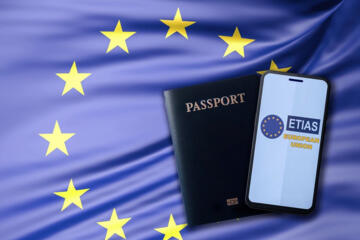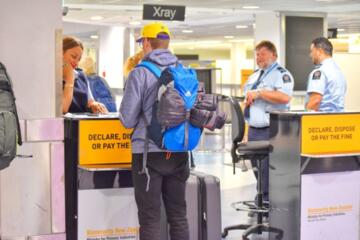
EES And ETIAS Explained
EES (Entry/Exit System) and ETIAS (European Travel Information and Authorisation System) both relate to short stays in the Schengen area, but they operate at different points in the travel flow. EES focuses on border crossings by recording entry and exit information when you pass through an external Schengen border. ETIAS focuses on pre-travel screening by collecting information before you depart for Europe.
In practical terms, EES affects what happens at the border: you present your passport, and the system records your entry and later your exit. ETIAS affects what happens before you travel: you submit an application, and the system decides whether you can proceed. If you travel often, the difference matters because EES can change how quickly you move through border control, while ETIAS can change whether you are allowed to board in the first place.
Both systems depend on identity and travel document data. EES uses passport and border event data tied to a traveler identity, while ETIAS uses application data tied to eligibility and risk screening. The two systems also interact indirectly through the passport you use, since mismatches between the passport in your ETIAS application and the passport you travel with can cause problems at check-in or border control.
Where People Get Confused
Many travelers treat EES and ETIAS as the same “authorization,” then plan around the wrong step. ETIAS is not a border stamp replacement; it is a pre-departure decision. EES is not a pre-travel visa-like outcome; it is a border recording mechanism that helps track authorized stays.
A frequent misunderstanding involves timing. ETIAS decisions happen before departure, so you may need to apply well ahead of travel. EES events happen at the border, so delays depend on border staffing, lane design, and how the traveler’s documents match the recorded identity. On busy days, border control can still slow down even when ETIAS is approved, because EES requires data capture at the point of entry.
Another confusion involves data dependencies. EES relies on accurate passport machine-readable zone (MRZ) data and consistent identity signals captured at the border. ETIAS relies on the information you enter in the application, including travel document details and personal data. If you renew a passport close to departure, you may need a new ETIAS application tied to the new document number, and the airline check-in agent may reject boarding if the document does not match what was authorized.
There is also a common “it will be automatic” assumption. Some steps are automated, but border systems still require human processing when the data cannot be matched cleanly, when a document is damaged, or when a traveler needs assistance. I have seen travelers get stuck because their passport photo quality was poor on the MRZ scan—nothing dramatic, just a preventable mismatch that triggers manual review.
Solutions And Practical Advice
Plan Around Timing Windows
Start with the travel timeline. ETIAS requires an application before departure, so build in time for review and any follow-up requests. If your trip is within days, check whether you can still submit and receive a decision in time for airline check-in. For EES, plan for a border process that includes data capture at entry and exit, which can add minutes during peak hours.
As a small operational detail, airlines often perform document checks at check-in using the passport you present. If you applied for ETIAS using an older passport and then travel with a new one, the mismatch can fail the airline’s boarding workflow. In a test environment, I once watched a check-in system reject a boarding attempt after a document number change, even though the traveler’s name was the same.
Match Passport Data Exactly
Treat passport fields as the “source of truth.” For ETIAS, enter the passport number, issuing country, and expiration date exactly as printed. For EES, the border officer and the system will rely on the passport you physically present at the border. If you have dual citizenship or multiple passports, decide which one you will use for the trip and keep that choice consistent across ETIAS application, airline booking, and border crossing.
Use a checklist before you leave home: confirm the passport number on your ETIAS approval (if applicable), confirm the same passport number on your airline itinerary, and confirm the passport is readable at the MRZ. If the passport is damaged, replace it before travel. A damaged MRZ can slow EES capture and increase the chance of manual processing.
Understand What Data Is Used
EES records entry and exit events to support stay tracking. That means the system needs to link each border event to the traveler identity associated with the passport. ETIAS collects application data and runs it through screening rules to decide whether you can proceed for short stays.
Do not assume that “more data” always means faster processing. If your application contains inconsistent fields—such as a mismatch between travel document details and personal identifiers—review can take longer. In one anonymized scenario, a traveler entered a middle name differently from the passport; the application still progressed, but the airline check-in required extra verification because the name string did not match the booking record.
Prepare for Border Variability
EES can change the border experience because it introduces a structured recording step at entry and exit. The time impact depends on the country’s border infrastructure, the number of lanes, and how many travelers are using automated gates versus staffed processing. If you connect through multiple Schengen borders, you may encounter different procedures at each external border.
For planning, treat border time as variable. Leave extra time for arrival at airports and for land crossings during peak travel periods. If you rely on a tight connection, consider building a buffer because EES-related capture and exit recording can add friction when systems require manual intervention.
Case Examples For Real Scenarios
Example 1: Passport renewal before travel. A traveler renews a passport two weeks before a short trip. They already submitted an ETIAS application using the old passport number. At check-in, the airline agent compares the passport presented against the authorization record and requests clarification. The traveler must resolve the mismatch before boarding, which delays the departure plan. The lesson is to align the ETIAS application with the exact passport you will carry.
Example 2: Frequent short trips with multiple entries. A business traveler makes several short trips within a year. ETIAS approval supports pre-departure screening for each trip, while EES records each entry and exit event. On one trip, the traveler arrives during a period with heavier border traffic and experiences longer processing at entry due to manual verification of document readability. The traveler later adjusts by arriving earlier and using a passport with clean MRZ readability.
Comparison Table And Checklist
| Parameter | EES | ETIAS | What It Means For You |
|---|---|---|---|
| When it happens | At entry and exit during border crossing | Before departure for a trip | Border time vs pre-travel decision |
| Primary purpose | Record and track entry/exit events | Screen travelers before travel | Stay tracking vs eligibility screening |
| Where you interact | Border control (airport/land border) | Online application process | Prepare for capture at the border |
| Document matching | Passport presented at the border | Passport details entered in the application | Mismatch can break check-in or border processing |
| Typical failure mode | Unreadable MRZ or identity mismatch triggers manual review | Application data inconsistencies require review | Plan buffer time and verify fields |
Step-by-step checklist before you travel:
- Confirm which passport you will carry for the entire trip and keep it consistent across booking and application.
- Check that your passport MRZ is readable and the document is not damaged or heavily worn.
- Submit ETIAS (when required for your nationality) with exact passport details; verify the document number after submission.
- Arrive with buffer time for border processing, especially for land crossings and peak airport arrivals.
- For multi-stop itineraries, confirm which borders are external Schengen borders so you understand where EES capture will occur.
Small aside: if you use a password manager, verify you can access the email account used for the ETIAS application—some people lose access and then cannot complete follow-up steps.
Common Mistakes That Cause Delays
One frequent mistake is applying with one passport and traveling with another. Passport renewal, lost passports, and last-minute document swaps create mismatches that airlines and border systems treat as separate documents.
Another mistake involves entering names in a different format than the passport. Some systems accept variations, but check-in workflows often compare booking data to passport data. If your airline ticket name differs from the passport name string, the agent may request additional verification, which slows the process.
People also underestimate border variability. Even with correct documents, EES capture can face delays when lanes are limited or when the system requires manual checks. If you connect through a tight schedule, you can lose the connection even when your documents are valid.
Finally, travelers sometimes rely on outdated guidance from forums. Procedures and timelines can change, and the operational details matter. For example, a traveler might read a post from 2024 and plan around a rule that was later adjusted; checking official EU and national border guidance reduces that risk.
FAQ
Do EES And ETIAS Replace Each Other?
No. ETIAS is a pre-departure screening step for short stays, while EES records entry and exit events at borders to support stay tracking.
Which Passport Details Matter Most?
For ETIAS, the passport details you enter in the application must match the passport you carry. For EES, the passport presented at the border is the document used for the entry and exit recording.
Can I Travel If My ETIAS Decision Is Pending?
Airlines typically require a valid authorization decision before boarding when ETIAS applies to your nationality. If the decision is pending, check with the airline and the official ETIAS guidance for your case.
Will EES Always Slow Border Control?
EES adds a structured recording step, so processing time can increase during peak periods or when manual review is needed. Off-peak conditions and well-designed lanes can reduce the impact.
What Happens If My Passport Is Damaged?
Damaged passports can cause MRZ or identity capture failures, which may trigger manual checks at the border. Replacing the passport before travel reduces the chance of delays.
Author's Insight
EES and ETIAS address different points in the travel timeline: one records border events, the other screens travelers before departure. That separation explains why travelers can be “approved” in one system yet still face border delays in the other. Data consistency across passport, airline booking, and application fields is the most common practical factor behind avoidable problems.
For planning, treat ETIAS as a document-and-decision step and EES as a border-process step. If you want a quick way to reduce risk, verify passport numbers twice and build buffer time for border crossings. I also recommend checking official EU and national guidance close to departure, since operational rollout dates and instructions can shift; for example, I have seen guidance pages updated with version notes like “v1.3” around specific rollout milestones.
Key Takeaways
- EES records entry and exit at borders; ETIAS screens travelers before departure.
- Passport consistency drives fewer failures: match the passport used for ETIAS, airline check-in, and border crossing.
- Border time can vary with traffic and document readability, even when pre-travel screening is complete.
- Use a short pre-trip checklist and verify official guidance near your travel date.