Choose Your First Trip Abroad
Traveling abroad for the first time presents a unique set of challenges, but selecting a destination with manageable logistics and welcoming culture cuts major hurdles. For instance, destinations with widespread English proficiency and efficient public transport reduce confusion. Japan, attracting 32 million international visitors in 2023, exemplifies a blend of modern convenience and safe environment. Alternatively, countries like Portugal offer a mix of relaxed pace and friendly locals, ideal for those wary of complex itineraries.
Some travelers assume the hardest part is the flight itself. It's actually what comes next: customs, navigating unfamiliar places, and unexpected language barriers. That first step after landing defines the trip mood more than anything else.
Knowing key facts ahead — like airport transfer options or whether ATM machines accept your cards — can make or break the early hours. A little research pays off.
Common Trip Challenges
Misjudging the ease of communication causes frustration most frequently. Travelers stuck in non-English speaking countries without support often overestimate their language skills or underestimate local dialects. This results in missed connections and stressful interactions.
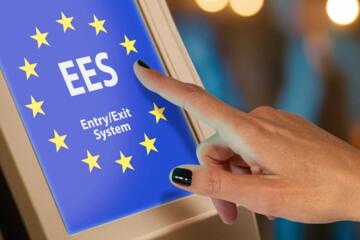
Another pitfall lies in choosing destinations with complex visa rules or entry processes. Imagine arriving only to get stuck in hours-long queues or being denied entry due to missing documentation. These avoidable errors lead not just to wasted money but to anxiety that shadows the entire trip.
Unexpected transportation troubles add to the woes. A single local bus system that's complex or unmarked can derail plans, especially for first-timers without a local SIM or navigation apps. Without prior knowledge, even short rides become ordeals.
Travelers ignoring health advisories or insurance details risk emergencies abroad without necessary security. One small mistake — skipping recommended vaccines — has led to medical bills upwards of thousands of dollars in many cases.
Practical Tips and Top Picks
Pick Countries with Easy Entry
Start with nations offering visa-free or simple e-visa processes for your nationality. This avoids airport stress and long waits. For example, South Korea offers a Korea Electronic Travel Authorization (K-ETA), which most travelers complete online within minutes, reducing arrival confusion and saving time.
Prioritize English-Friendly Places
Choose destinations known for English signage and common knowledge. Scandinavia, including Sweden and Denmark, boasts over 90% English fluency. It means reading signs and ordering food require little guesswork. In practice, this cuts chances of getting lost or miscommunications—major anxiety sources for new travelers.
Look for Efficient Transport Systems
It’s easier to pick countries with reliable public transit than those relying heavily on cars or irregular buses. Take Singapore: its Mass Rapid Transit (MRT) network covers the city comprehensively, with apps like Citymapper supporting quick route planning. Most tickets purchase via contactless cards, no fumbling with cash.
Consider Safety and Stability Ratings
Countries maintaining stable political climates and low crime rates make travel smoother. New Zealand ranks high here, with crime rates lower than many Western European cities. Solo travelers especially benefit from this peace of mind, allowing spontaneous plans and comfortable outdoor activities.
Choose Familiar Cuisine and Culture
Food can hide surprises that unsettle new travelers. Europe’s southern regions, such as Spain and Italy, offer diverse, internationally known cuisines that satisfy various tastes. Moreover, cultural familiarity reduces culture shock, easing emotional adjustment. Knowing a friendly place where a pizza or pasta meal doesn’t cause stress counts.
Engage Local Tourism Tools
Go beyond generic guides and use local apps or websites recommended by resident experts. Japan’s JR Pass not only saves on train fares but also simplifies travel. Tools like Visit Portugal app give live updates on festivals, transit, and safety alerts. These resources turn a complex trip into something doable.
Ensure Reliable Connectivity
Having constant internet access reduces stress for navigation and communication. Countries with 4G/5G coverage in urban and suburban areas, including Taiwan and the Netherlands, empower travelers to use translation apps like Google Translate — which, frankly, most people skip practicing before their trip but end up relying heavily on anyway.
Prepare Language Basics
Even in English-rich areas, learning 10-15 phrases of the local language makes a difference. Politeness points matter in interactions, and locals often respond warmly. Apps such as Duolingo or Memrise help with quick, daily practice leading up to departure.
Examples of Success
One young professional from Chicago chose Portugal for her first international trip in 2022. She identified Lisbon’s straightforward airport transfer by metro and plentiful English speakers in tourist zones. She booked the Lisboa Viva card to ease transit payments. The result: a stress-free 10-day trip with daily half-day excursions and no missed connections.
Another case: a tech startup organized its inaugural team retreat in Singapore in early 2024. Anticipating logistical nightmares, they purchased EZ-Link cards, used the Grab app for last-mile travel, and prepared simplified itineraries. The outcome was 100% on-time arrivals for activities and zero incidents, improving team morale.
Easy Countries at a Glance
| Country | English Use | Visa Access | Transport |
|---|---|---|---|
| Portugal | High | Visa-free/E-visa | Efficient metro |
| Singapore | Very High | Visa-free | Exceptional MRT |
| Japan | Medium+ | E-visa/K-ETA variants | Extensive rail |
| New Zealand | High | ETA on arrival | Good national bus |
| Sweden | Very High | Visa-free/E-visa | Extensive trains/buses |
Frequent Slip-Ups and Fixes
Overscheduling kills. Trying to visit 10 cities in one week means you miss out — mentally and physically. Limit destinations and enjoy them fully instead.
Ignoring weather variations causes packing woes. I’ve seen travelers wrestling with unworn bulky coats on summer trips due to over-preparation. Check seasonal averages a week before departure.
Underestimating currency exchange methods also complicates the trip. Many first-timers lose up to 10% in fees by changing money at airports. Use card networks like Revolut or Wise—it rarely works the way the docs say, yet these cards often deliver better rates and instant top-ups.
Lost in translation? Failing to test apps before travel means key functions may be unavailable offline. Download maps and translation packs before leaving your home Wi-Fi.
Over-reliance on single communication modes limits flexibility. Having two backup plans for contacting accommodations or guides makes a difference if SIM cards glitch or networks drop.
FAQ
What countries are easiest for first-time travelers?
Countries like Portugal, Singapore, and New Zealand rank high due to simple visas, English prevalence, and reliable transport systems. These reduce hassles related to entry, communication, and getting around.
How can I prepare for language barriers?
Learn essential phrases in the local language, install translation apps, and use bilingual guides. Always double-check pronunciation and keep phrases saved offline for no-internet moments.
Is travel insurance necessary for a first trip?
Yes. Insurance covers unexpected medical emergencies, trip cancellations, and lost belongings. Costs typically range between $40–$100 for a week-long trip, a small price for peace of mind.
How to manage money abroad safely?
Use travel-friendly debit or credit cards with no foreign transaction fees. Carry some local cash for small vendors but avoid carrying large amounts. Apps like Revolut offer favorable exchange rates.
What technology helps first trips?
Offline maps like Maps.me, travel planning apps like TripIt, and local public transport cards or passes smooth logistics. Also, mobile hotspot devices or local SIMs secure constant connectivity.
Author's Insight
My first trip abroad was more nerve-wracking than the plane ride. Choosing Japan made a world of difference, thanks to its respect for tourists and clear signage. Booking an airport transfer and JR Pass ahead prevented stress. Newcomers should invest in preparation—small steps like local SIMs and language apps change the entire experience. Trusting the trip rather than controlling it helps too.
What to Remember
Pick accessible, English-friendly countries with efficient infrastructure and straightforward entry requirements to start international travel confidently. Study transport options and digital tools beforehand. Keep plans flexible and focus on enjoying each moment. With these steps, the first trip abroad becomes not just possible but truly enriching.