Getting Started with Flying
Nervous flyers often hesitate to book their first trip because flying feels unpredictable. The fear comes not from flying itself but from unknown factors like unfamiliar airports, flight duration, and in-flight turbulence. Consider a direct flight under three hours to simplify the experience—stats from the FAA show that short-haul flights tend to have fewer delays, reducing anxiety before departure.
For example, a flight from Boston to Washington D.C. offers quick boarding, calm airspace, and plenty of airport amenities to ease stress. Nonstop trips cut down waiting time and the complexity of connections. Avoiding large, crowded hubs also helps by limiting overstimulation.
Common Flight Anxiety Issues
People often confuse normal travel discomfort with serious anxiety symptoms, which can intensify their fear unnecessarily. Misconceptions such as expecting severe turbulence or the plane suddenly malfunctioning cause panic well before takeoff. This matters because anxiety can trigger physical reactions—sweaty palms, rapid heartbeat—that make the flight feel worse than it actually is.
Some miss that not preparing properly raises stress. For example, a passenger who books late at night, assumes all flights are equally noisy or boards last might miss chances to control their environment. In real-world terms, this can mean crowded overhead bins and no control over seating. The result? More apprehension, less enjoyment.
Ways to Ease Early Flights
Choose Short, Direct Flights
Flying under three hours reduces exposure to turbulence and fatigue. Short flights limit caffeine cravings and fatigue buildup. Airlines like Southwest and JetBlue offer many direct routes in this time frame, with the latter known for friendly crews who often assist anxious guests. Book midweek slots, as Tuesdays and Wednesdays generally see fewer delays.
Pick Morning Flights
Early flights depart in calmer weather and have fewer delays. Morning flights give the benefit of a fresh mind and less buildup of anxiety throughout the day. In practice, a 7:00 AM flight reduces turbulence risks since warm afternoon air currents haven’t developed. Delta’s statistics show flights before 9:00 AM have 15% fewer cancellations or delays.
Fly With Familiar Airlines
Familiarity breeds comfort. Repeat exposure to the same airline or aircraft type decreases apprehension. Airlines like Alaska Airlines provide personalized service and informative boarding procedures that reduce surprises. Using apps such as FlightAware to track exact flights adds predictability to the process.
Use Seat Selection Strategically
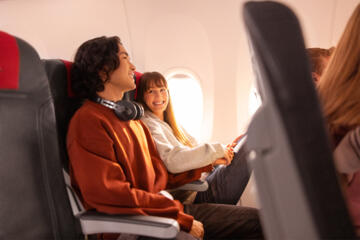
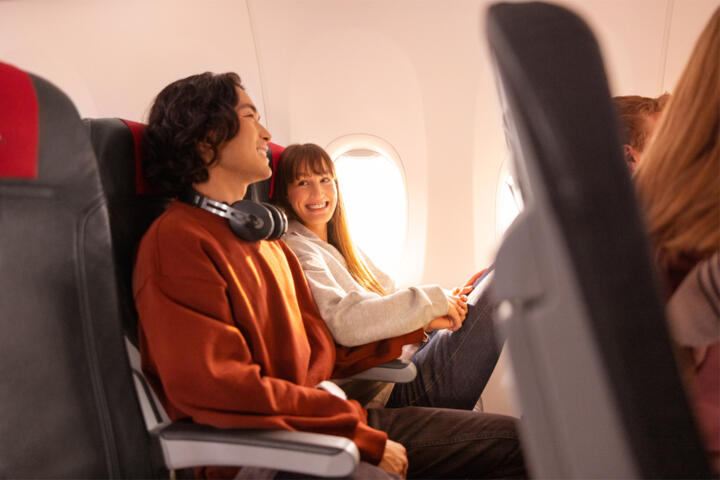
Window seats help by providing a visual anchor and a sense of control over the environment. Some anxious flyers prefer aisle seats to access lavatories quickly or stretch legs. SeatGuru reveals that rows in front of the wing tend to experience less vibration and noise—something to consider for a calmer ride. Boarding earlier guarantees seat choice.
Prepare Anxiety Tools
Noise-canceling headphones, like Bose QuietComfort 45, block engine noise and chatter. Familiar audiobooks or meditation apps like Headspace foster relaxation. Physical items like stress balls or lavender-scented wipes can help too. These small factors reduce sensory overload on a plane where sounds and smells are potent.
Bring Hydration and Snacks
Dehydration worsens fatigue and discomfort during flights. Bringing a refillable water bottle and healthy snacks (nuts, fruit) helps keep energy levels steady. Avoid alcohol or excessive caffeine, which trigger dehydration and disrupt sleeping patterns. Quantities matter: 500 ml of water per hour is a safe average.
Book Flights with Good Crew Ratings
Crew attitude affects passenger comfort more than most realize. Review sites like Skytrax show airlines with highly rated cabin staff tend to reduce passenger anxieties. Positive interactions distract from fear, and attentive crews respond better to nervous flyers. Southwest and JetBlue consistently score high on crew friendliness.
Pre-Flight Briefing and Familiarization
Watching airline safety videos or visiting airport terminals before the actual trip lowers the unknown factor that fuels anxiety. Many airports now offer virtual tours or pilot briefings that explain the journey’s stages. This preparation creates a mental script, reducing the shock from raw surprises. Some apps provide VR cockpit tours, like the ForeFlight app version 12.3.
Consider Direct Feedback Tools
After booking, give yourself a way to record thoughts and feelings immediately—journaling or voice memos can track progress. This practice serves double duty: it surfaces triggers and reinforces control. Over time, these notes highlight patterns and effective coping strategies.
Stories That Work
A business traveler named Sarah avoided flying for years due to turbulence anxiety. She booked a 90-minute direct flight between Seattle and San Francisco, choosing a daytime slot on Alaska Airlines, known for gentle boarding procedures. By using seat 7A, she saw the wing and felt less turbulence. She paired noise-canceling headphones with slow breathing exercises. The trip went smoothly, and she reported a 70% reduction in anxiety on subsequent flights.
Another case involved a family flying with a 10-year-old scared by loud airport noises. They selected early morning flights to a manageable destination, brought noise-canceling ear muffs, and used distraction games downloaded before boarding. The child’s discomfort dropped so much that she later asked for another trip, something the parents once thought impossible.
Easy Flight Prep Checklist
| Step | Action | Why | Tip |
|---|---|---|---|
| 1 | Book direct flights under 3 hours | Less time aboard, smaller delay risk | Use Google Flights for intel |
| 2 | Select morning flights | Calmer weather, fewer delays | Avoid red-eyes for fresh mind |
| 3 | Pick seats near wing or window | Less turbulence, distraction anchor | Use SeatGuru to check aircraft |
| 4 | Carry noise cancelers and media | Blocks out stress triggers | Bring Headspace or podcasts |
| 5 | Stay hydrated with water | Reduces fatigue and headaches | Refill bottle after security |
Common Errors to Skip
Booking red-eye flights often backfires for anxious flyers because fatigue worsens anxiety, not the quiet cabin alone. Not researching plane types leads to surprise noises or capricious seat comfort. Some passengers skip early boarding, missing better seat choices. Ignoring hydration and caffeine intake can turn mild discomfort into full-blown stress. Lastly, underestimating airport arrival time means rushing through security, which spikes adrenaline and nerves.
Many also underestimate the impact of a pre-flight routine. Jumping from no planning to full panic creates a self-fulfilling struggle. Better to build small habits in advance, even if they seem excessive.
FAQ
How long should my first flight be?
Flight time under three hours is best for nervous flyers, offering less fatigue and lower chances of delays or turbulence.
Which seats are best to reduce anxiety?
Seats over the wing are steadier and quieter. Window seats help as a visual focus, calming nerves.
How early should I arrive at the airport?
Arrive at least two hours early for domestic flights to avoid rushing and clear security without stress.
Should I avoid flying in bad weather?
Yes, flights during storms or known turbulence increase anxiety and risk actual turbulence, so choose calm times.
Can apps reduce travel stress?
Yes, apps like Headspace for meditation or FlightAware for tracking improve control and help focus during flights.
Author's Insight
I remember my first flight dread, which vanished only after carefully choosing short, direct flights early in the morning. Carrying noise-canceling headphones and trusted media made a huge difference for me. Those tiny details changed the flight from ordeal to manageable. A little preparation goes a long way. Factors like seat location and hydration directly impacted my comfort more than any calming phrase.
Key Takeaways
Short, early direct flights ease nervous flyers through lower turbulence and fewer delays. Choosing seats wisely, staying hydrated, and packing calming tools reduce stress during travel. Skipping surprised yourself with planning—these small changes build confidence slowly but steadily. Trust the process, one manageable flight at a time.