IC Cards And Rail Setup
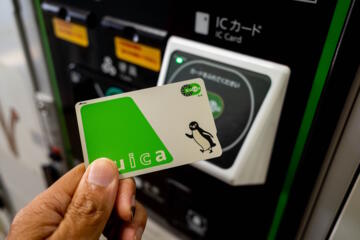
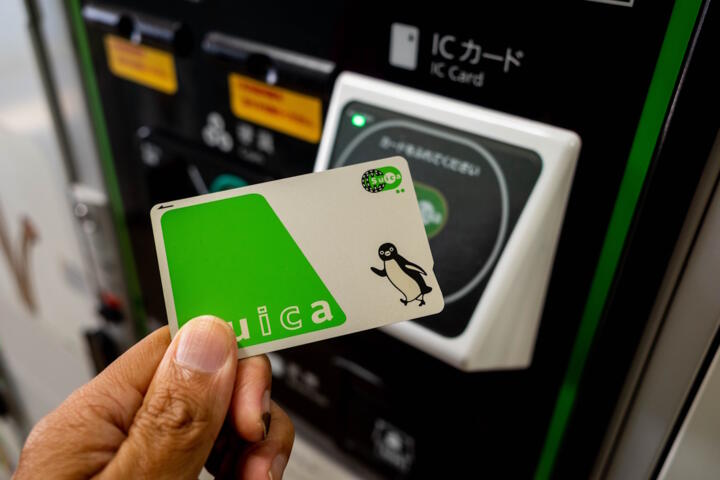
Japan’s IC cards are contactless prepaid cards used for fares on many rail and bus systems. You tap at station gates, ride, and the fare is deducted automatically based on distance. For a first trip, the main task is matching your travel plan to the right payment method: IC card for routine local trips, plus separate tickets for routes that require reserved seats or special fares.
In practice, most visitors start with an IC card loaded with enough balance for several days of short rides. Then they add reserved tickets when they plan to use limited express trains or Shinkansen segments that require seat reservations. If you arrive at a major airport, you can often get an IC card at the station area, but the exact options depend on the airport and the operator at that station.
One small detail that saves time: on my notes from a 2024 trip-planning checklist, I wrote down the station gate behavior for each line I expected to use, because some stations have multiple gate types and signage can be dense. You do not need to memorize everything, but you do need a plan for where you tap in and where you tap out.
Common Setup Mistakes
People usually run into problems when they treat an IC card as a universal ticket. IC cards cover many local and commuter services, and they also work on some intercity routes, but they do not replace every ticket type. Limited express and Shinkansen travel often involves additional charges for seat reservations, and those charges may not be handled by IC balance alone.
Another frequent issue is loading the card incorrectly for your route. If you load too little, you can top up at machines, but you may waste time during peak hours. If you load too much, the remaining balance is not always easy to recover before leaving Japan, since refund rules depend on the card type and where you bought it.
Gate behavior also causes confusion. At many stations, you tap in when entering through the gate and tap out when exiting. If you forget to tap out, the system may charge a default maximum fare, and you will need to resolve it at a staffed counter. Some stations have separate gates for different fare systems, and signage can look similar from a distance.
Finally, visitors sometimes mix up “reserved seat tickets” with “fare-only” tickets. A reserved seat ticket covers the seat and the reservation fee, while the base fare may be handled by an IC card or by a separate ticket depending on the route. The dependency chain matters: train type, operator, and ticket rules determine what the IC card can do.
How To Choose Your Card
Pick The Right IC Card
Japan’s most common IC cards work across many regions and are interoperable for tap-in/tap-out use. The practical choice for a first trip is usually based on where you buy the card and where you plan to ride. If your itinerary stays in one metro area, any widely accepted IC card for that region will cover most rides.
Check whether your card can be used at your planned stations and bus routes. Some airport-to-city rail lines accept IC cards for base fares, while others require additional tickets for certain train categories. If you are traveling between regions, confirm that the IC card is accepted on the specific local segments you will use to reach your hotel.
As a minor planning aside: I keep a screenshot of the station map and the “IC card accepted” signage for the station I expect to use most. It is not glamorous, but it reduces the moment-to-moment uncertainty when you are carrying luggage and moving quickly.
Load Balance And Plan Top-Ups
Load enough balance to cover several days of short rides, then plan to top up at station machines. Many machines accept cash and cards, but the exact payment methods vary by location. If your route includes long rides that still use IC fares, estimate the daily total and add a buffer for detours.
Top-up is usually quick, yet it can be slower during rush hours because machines may be busy or out of certain denominations. If you know you will travel on a day with multiple transfers, load a bit more the night before. A realistic target for a first week in a metro area is often enough for dozens of rides, but the exact number depends on how often you use trains versus walking.
Version detail from a planning tool I used in 2023: my transit budget spreadsheet had a column labeled “IC-only rides” and another labeled “reserved-seat rides,” because mixing them in one total made my balance estimates unreliable.
Add Reserved Tickets When Needed
For Shinkansen and many limited express services, you typically need a reserved seat ticket (and sometimes a separate base fare ticket) in addition to any IC card usage. The station staff and ticket machines can tell you what combination applies to your exact train and time. If you buy online, confirm whether the reservation includes the seat and whether you still need to pay a base fare separately.
When you use a reserved ticket, you usually enter through gates using the ticket or the QR/barcode method depending on the system. Some routes still allow IC cards for entry, but the reservation fee and seat access may require a separate ticket. The safest approach is to read the purchase confirmation carefully and match it to the station gate instructions.
Do not assume that “I have an IC card” means “I can board any train.” Train categories and fare rules differ, and the station signage will reflect those differences.
Use Apps For Route Checks
Route planning apps help you identify which parts of your trip are IC-friendly and which parts require reserved tickets. Use them to check station names, transfer points, and whether the recommended route uses a train category that usually needs a reservation. Cross-check the app’s guidance with the station’s own ticketing information when you are close to departure.
Some apps show fare estimates, but those estimates may not reflect the exact ticket type you will buy. Treat app results as a starting point, then confirm at the station ticket machine or with staff. If you plan to travel during peak times, verify seat availability early because reservations can sell out on popular services.
One practical habit: I write down the departure platform number only after I see it on the day, since platform assignments can change. That habit reduces the “wrong platform” scramble that happens when you rely on memory.
Case Examples For First Timers
Tokyo Week With Day Trips
An anonymized traveler stays in central Tokyo for seven days. They buy an IC card at the airport station, then use it for subway rides and local JR lines within the city. For a day trip to a nearby area, they use the IC card for the local segment and purchase a separate reserved ticket only for the train category that requires it. They top up the IC card once midweek after checking their remaining balance at the station machine.
The key dependency is that the day trip includes a segment where seat reservations are common. The traveler avoids boarding assumptions by checking the ticket type before entering the platform area. When they return, they tap out normally at the exit gate and confirm that the fare deduction matches their expected route length.
Osaka Base With One Shinkansen
An anonymized traveler starts in Osaka and plans one Shinkansen trip to another city. They use an IC card for local subway and commuter rail within Osaka, then purchase a Shinkansen reserved seat ticket for the intercity segment. At the Shinkansen station, they follow the gate instructions for the reserved ticket rather than relying on IC balance for entry.
On the return day, they keep the reserved ticket accessible until they exit the station. This avoids the common problem of trying to use IC taps where the station expects a different ticket type. Their IC card remains for local rides after they exit the intercity portion.
IC Card Vs Rail Tickets
| Use Case | IC Card Works? | What You Still Need | Common Failure Mode |
|---|---|---|---|
| Metro and local rides | Often yes for tap-in/tap-out | None beyond IC balance | Forgetting to tap out |
| Limited express | May cover base fare only | Reservation or limited-express ticket | Assuming IC balance covers seat access |
| Shinkansen | Not a full substitute for reserved travel | Reserved seat ticket and correct entry method | Using the wrong gate type |
| Intercity local transfers | Often yes on local segments | Separate ticket only for specific train categories | Mixing ticket types mid-journey |
Use this as a decision aid: if your plan includes a train category that commonly requires reservations, treat IC balance as a base-fare tool rather than a full travel ticket.
Practical Common Mistakes
Buying an IC card and never checking acceptance at your hotel’s nearest station can lead to detours. Some stations have multiple entrances and gate layouts, and the “tap area” may not match your first guess. A quick check of the station name and gate signage before you leave the platform area helps.
Another mistake is relying on a single balance number without accounting for transfers. Transfers can change the distance-based fare calculation, and a route with extra stops can cost more than a simple point-to-point ride. If you are traveling with luggage, you may also take a less direct route, which changes the fare.
People also forget that refunds and remaining balance handling depend on the card type and purchase location. If you plan to leave Japan soon after your trip, confirm the refund policy before you assume you can recover unused balance. Some cards are designed for longer-term use, and the refund process can be limited.
Finally, travelers sometimes board the wrong train category because the station platform shows multiple services. The platform display may list destinations and train types, and the difference between “local” and “limited express” matters for ticket requirements. Reading the train type label before boarding prevents a last-minute ticket correction.
FAQ
Can I Use An IC Card For Shinkansen?
An IC card usually does not replace the reserved-seat ticket for Shinkansen travel. You typically need a Shinkansen ticket for seat access and correct gate entry, while the IC card may still help for local segments before and after.
Where Can I Buy And Top Up?
IC cards are commonly sold at major station areas and some airport stations, and top-ups are available at station machines. The exact options vary by location, so check the machine labels near your arrival station.
What Happens If I Forget To Tap Out?
The system may charge a default maximum fare when you exit. You can usually resolve it at a staffed counter with your travel details, but it can take time during busy periods.
Do I Need Reserved Seats For Every Trip?
No. Many local rides work with IC card tap-in/tap-out only. Reserved seats become relevant on train categories that require a reservation or additional limited-express fees.
How Do I Know Which Part Needs A Ticket?
Check the train category shown in route guidance and confirm at the station ticket machine or with staff. If the route uses a limited express or Shinkansen segment, treat it as likely to require a separate ticket beyond IC balance.
Author's Insight
IC cards in Japan behave like distance-based prepaid fare media for many local services, while reserved-seat travel depends on train category and operator rules. The most reliable approach for a first trip is to separate your plan into “IC-friendly local rides” and “reserved-seat or special-fare segments.” Station signage and ticket-machine prompts reflect those rules, so reading them at the moment you buy or board reduces errors. If you keep a short checklist—tap in, tap out, and confirm train type—you avoid most fare and gate problems.
Key Takeaways
- Use an IC card for routine local rides, then add reserved tickets for limited express and Shinkansen segments.
- Plan balance for transfers, and top up at station machines when needed rather than guessing.
- Tap in and tap out at the correct gates; forgetting the exit tap can trigger a default charge.
- Confirm train category at the platform before boarding, since ticket requirements differ by service type.