Roaming and ATM Fees
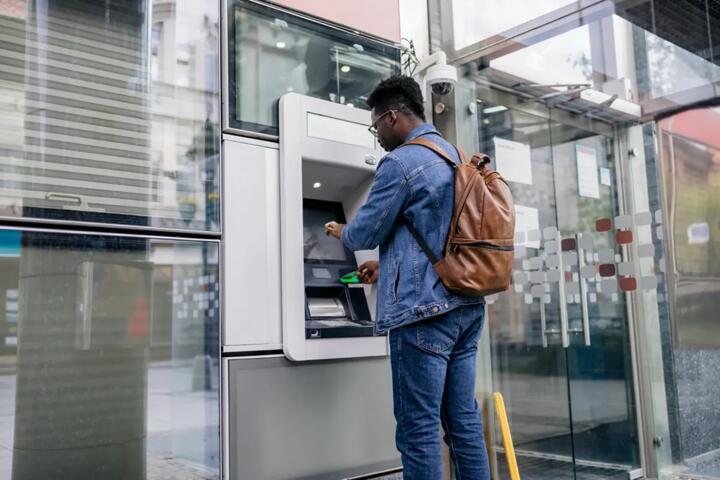
Mobile roaming fees happen when your phone connects to foreign cellular networks. While charges vary by carrier, they typically start at $0.50 to $2 per megabyte, which quickly balloons during data-intensive tasks. ATM withdrawal fees abroad can range from $2 to $5 per transaction, plus currency conversion markups often around 3%. A typical tourist withdrawing cash twice weekly may lose $40 or more in fees over two weeks.
For example, a one-week trip to Europe with 100MB mobile data consumed could rack up $50 or more on average if using a U.S. carrier’s unlimited plan with roaming. This cost surprises a lot of travelers. Disabling roaming isn’t a catch-all solution, because it blocks access to data and calls without Wi-Fi. The stakes here go beyond mere budget frustrations — complicated fees can derail travel plans and cause unplanned overdrafts.
Expect to pay, unless you plan seriously. Fees can spiral, like when you try to use your phone abroad for maps and communications or need cash in an unfamiliar city.
Challenges Travelers Face
Most travelers underestimate how quickly roaming data expenses accumulate. Some incorrectly assume that “unlimited plans” back home cover roaming at no extra charge. They don’t. Many run into problems after ignoring alert messages about data charges or failing to switch off background apps sending data automatically.
ATM issues stem from misunderstanding the fee structure. Often, there’s a foreign ATM owner fee on top of the withdrawal charge your bank imposes. This double hit might seem trivial at first—a few dollars here and there—but after multiple transactions, it adds up to a significant chunk of your wallet. Extra conversion fees sneak in too, because your bank uses a less favorable exchange rate.
Picture a traveler needing emergency cash late at night in a small town—local ATM surcharge plus their bank’s fee on every withdrawal, with no easy way to avoid it.
Tactics to Lower Fees
Buy a local SIM card
Local SIM cards offer the best value for data and calls in a specific country. Unlike roaming, rates align with local market prices—often pennies per MB and calls at low cents per minute. You receive a new phone number, but apps relying on your home number work fine on Wi-Fi. It requires an unlocked phone. For example, buying a data SIM at a kiosk in Berlin can cost €15 for 5GB of data valid 30 days, compared with $50+ going through American carriers who charge roaming fees.
Use eSIM if supported
eSIM technology eliminates physical cards by allowing multiple carrier profiles on one device. You can purchase local plans online before departure or upon arrival without swapping cards. Apple’s iPhone iOS 17 and Google Pixel 8 both support eSIM with multiple profiles easy to switch. This avoidance tactic cuts roaming fees and doesn’t compromise availability.
Opt for no-foreign-transaction-fee credit cards
Credit cards like Chase Sapphire Preferred or Capital One Venture don’t charge additional fees on international purchases. They also use near-market exchange rates, which reduces currency cost. Combining these with cash withdrawals means cutting additional conversion fees. Many cards waive ATM fees abroad, but always check terms. The no-transaction-fee tag can reduce a 3% fee to zero for a $500 purchase, a clear savings.
Withdraw larger sums less often
Since many banks charge a fixed fee per ATM withdrawal, pulling $100 at once saves money over withdrawing $20 five times. Plan cash needs based on daily or weekly expenses, available wallet space, and safety of carrying more money. In practice, a $3 fee per withdrawal means three fewer withdrawals cuts $9 costs immediately.
Disable data roaming unless using Wi-Fi
Turning off mobile data roaming prevents accidental use of costly networks. Download offline maps, airline apps, all needed information in advance. Apps can quietly update, eating megabytes unchecked, so this step blocks surprise fees. I’ve seen travelers rack up $80 in a day, just from background syncs that ignored data limits.
Leverage Wi-Fi calling and messaging apps
Apps like WhatsApp, Signal, and FaceTime let you call and text over Wi-Fi only, bypassing mobile network fees entirely. Once you disable roaming, switching to Wi-Fi calls for communication becomes the default. The trick? Some destinations have patchy Wi-Fi, making this option less reliable at times.
Check your bank’s international ATM partners
Some banks waive ATM fees for specific global partners like HSBC or Barclays. Knowing these before you travel means you can identify free or cheap cash points abroad. For example, Bank of America customers avoid extra fees at over 50,000 partner ATMs worldwide. Non-partner ATMs usually tack on $5-$7 in fees.
Preload prepaid travel cards
Prepaid cards like Revolut, Wise, or Travelex let you deposit local currency before traveling. They provide favorable rates and often zero ATM fees up to a limit ($200 or $250 monthly). You avoid exchange rate surprises and have spending transparency on apps. It’s a good mid-range solution when a local SIM isn’t viable.
Inform your bank before travel
Banks sometimes flag foreign transactions as fraud and freeze accounts. Call your bank or use their app to set travel notices. This avoids service interruptions that often trigger emergency ATM withdrawals—at a higher fee—when cash access freezes unexpectedly.
Real Examples and Results
Case 1: A startup team traveling to Southeast Asia tried roaming with a U.S. cellular provider. Data bills hit $300 in one week. They switched to local SIMs costing $15 each with 10GB data. Next trip saved 85% in mobile costs. They also combined prepaid cards for ATM needs.
Case 2: A solo business traveler regularly withdrew $20-$30 at a time internationally and faced $10 weekly ATM fees. After consulting their bank, they started withdrawing $100 weekly at one partner ATM. Savings came to $40 over a month. Switching to no-foreign-transaction credit cards further trimmed expenses.
Fees Comparison Checklist
| Fee Type | Typical Cost | Avoidance Method | Comments |
|---|---|---|---|
| Roaming Data | $0.50–$2/MB | Local SIM/eSIM | Big savings on heavy usage |
| ATM Fees | $2–$5 per withdrawal | Use partner ATMs | Check bank partners first |
| Foreign Transaction | ~3% per purchase | No-foreign-fee cards | Instant currency gain |
| Currency Markup | 1%–5% exchange rate | Prepaid travel cards | Lock in better rates early |
Frequent Traveler Missteps
Ignoring network alerts about roaming charges leads many into surprise bills. Without disabling automatic app updates, background data quietly racks up near-network costs. Bundled plans that claim “free roaming” often cap usage or increase charges after fixed thresholds, a fact many miss.
Relying on any ATM without researching fees is a trap. Many use machines in convenience stores or airports which charge the highest surcharges. Also, withdrawing small amounts repeatedly multiplies fixed fees unnecessarily.
Not notifying banks of travel plans causes account freezes, forcing emergency cash withdrawals with even higher fees.
And most travelers skip the step of checking for local SIM unlocking policies on their phones, which means they cannot benefit from cheaper local plans even after purchase.
FAQ
How can I tell if my phone is unlocked?
Check your phone settings or contact your carrier to confirm. Usually, unlocked phones accept SIMs from any provider without error messages. Alternatively, try inserting a SIM from a different carrier and see if it works.
Are eSIMs available everywhere?
No, coverage depends on the phone model and carrier agreements in the destination country. Some countries or carriers still use physical SIMs exclusively, but this is changing fast.
Can I avoid all roaming fees by using Wi-Fi only?
Yes, if you disable mobile data roaming and connect only to Wi-Fi. But without any cellular connection, you lose coverage outside Wi-Fi zones, so connectivity depends entirely on local internet availability.
What’s the difference between foreign transaction fees and currency markup?
Foreign transaction fees are a fixed percentage your bank charges per purchase abroad. Currency markup refers to the exchange rate margin, which affects how much local currency you get per dollar. The two combined affect total cost.
Is it safer to carry cash or use cards abroad?
Cards offer better fraud protection and easier tracking. Carry cash only as backup or for small vendors who do not accept cards. Splitting funds minimizes risk of loss or theft.
Author's Insight
After dozens of international trips and testing multiple solutions, I rely on a combo of local SIMs and no-foreign-fee credit cards. The eSIM adoption in 2023 made switching much easier. Always having a backup prepaid card pays off, especially in countries where ATMs malfunction often. Planning cash needs upfront saved me hundreds in fees over time, avoiding reactive withdrawals that cost more.
Final Thoughts
Roaming and ATM fees abroad drain budgets but avoiding them pays dividends. Local SIM cards and eSIMs crush roaming data costs; withdrawing cash bigger batches at partner ATMs cuts fees; no-foreign-fee credit cards halve purchase fees. Turn off roaming, use Wi-Fi apps, plan cash needs, inform banks. Prepare the right tools, and the wallet stays happy while you travel.