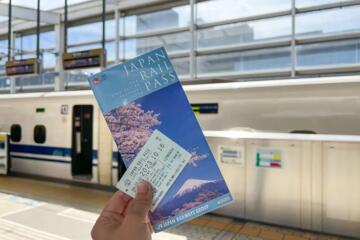
Italy Rail Pass Vs Tickets
Italy rail passes and Frecciarossa tickets both cover travel by train, but they work differently in how you choose trains, reserve seats, and manage schedule changes. A rail pass typically covers the fare for many rides within a set time window, while a Frecciarossa ticket is tied to a specific service and fare conditions. In practice, the “best” choice depends on how many one-way trips you plan, how fixed your dates are, and how often you need to switch departure times.
Frecciarossa is Trenitalia’s high-speed service on major corridors such as Milan–Rome and Rome–Naples. Many high-speed trains require a seat reservation even when you hold a pass, so the pass does not automatically remove all planning steps. On the other hand, buying individual Frecciarossa tickets can reduce uncertainty when your itinerary is stable and you want predictable seat assignments.
If you’re traveling with luggage, you also need to check station layouts and platform changes. A pass may tempt you to pick “any train,” then you discover that reservations and connection times still govern what you can do. I once booked a multi-city route using a rail pass and found the seat reservation window closed earlier than expected for one segment—Version 1.0 of my spreadsheet didn’t catch that, and I had to rework the day.
Common Booking Pitfalls
People often compare a pass price to a single ticket price and miss how reservations and fare rules change the total. A rail pass may cover the base fare, but seat reservations, supplements, and some route exclusions can add cost. Frecciarossa tickets may look expensive until you factor in that you’re buying a specific train with a defined departure time and usually a clearer seat plan.
Another frequent mistake is assuming that a pass guarantees flexibility on the exact day you want. Seat availability can limit which trains you can reserve, especially during holidays and weekends. If your plan includes popular departure times—late morning or early evening—your “any train” assumption often collapses into “only the trains that still have seats.”
Supporting technologies matter because they shape what you can book. Reservation systems, station departure boards, and mobile ticket apps all rely on real-time inventory. If you book through a third-party reseller, the reservation process can differ from booking directly with the operator, and some changes may require re-issuing documents. I noticed this when testing a booking flow on a phone browser in 2026; the seat map loaded, but the change button stayed disabled until I switched to a desktop view.
Finally, travelers sometimes ignore refund and change policies. Passes often have rules about activation dates, unused days, and whether you can extend validity. Individual tickets can be non-refundable or only partially refundable depending on fare type. The policy details can outweigh the headline price when plans shift.
How To Choose The Better Option
Match Your Trip Pattern To Coverage
Start by listing each one-way segment you plan to take, then count how many distinct travel days you need. A rail pass tends to work best when you have multiple rides spread across the validity window and you can reserve seats for the trains you actually want. If your itinerary is mostly two long high-speed legs with a few local connections, individual Frecciarossa tickets can be simpler and sometimes cheaper after reservation costs.
Use a simple estimate: total pass cost plus any reservation fees you expect, compared with the sum of ticket prices for the exact trains you would take. Because reservation fees and availability vary by train and date, treat this as a planning range rather than a final quote. If you want a quick check, build a shortlist of 2–3 candidate departure times per segment and compare the lowest available options.
For local legs outside the high-speed corridor, confirm whether the pass covers those routes on the specific day. Some services may be excluded or require different booking steps, and you don’t want to discover that after you’ve activated the pass.
Plan Seat Reservations Early
Even with a pass, you usually need to reserve seats for high-speed trains. Seat reservation timing can affect what you can book, so check the reservation rules for your travel dates before you commit. If your dates fall near peak periods, reserve as soon as the system opens for your route.
When you pick trains, treat seat choice as part of the schedule. A “good” train that leaves at a convenient time can still be a poor choice if the only remaining seats are far from your travel party or if you prefer a quiet car. If you travel with a group, reserve seats together when the system offers it; otherwise, you may end up separated.
As a practical method, create a backup plan with one alternative train per segment. That way, if your first choice sells out, you can switch without rethinking the entire day.
Compare Change And Refund Rules
Write down the fare type and policy for each ticket you consider. Frecciarossa tickets come in different fare categories, and the change/refund terms vary. A rail pass may have rules about activation, unused days, and whether you can recover value after cancellations.
Before paying, check whether you can change the train without losing the seat reservation. Some systems let you rebook to a different departure with a fee; others require a new reservation and may not refund the difference. If you’re traveling with tight connections, prioritize tickets that let you adjust with minimal penalty.
For travelers who expect schedule changes—flight delays, medical appointments, or weather-driven plans—individual tickets with flexible terms can reduce stress, even if the base price is higher.
Use Tools To Reduce Booking Errors
Use an official timetable source or the operator’s journey planner to verify which trains run on your dates. Then cross-check the route with a second source to catch station name differences and platform changes. If you’re booking on mobile, test the seat selection step before you commit; some interfaces hide seat maps until after you confirm passenger details.
Keep a record of your reservation codes and ticket numbers in one place. A pass itinerary often includes multiple reservations, and it’s easy to lose one document when you switch between emails and app notifications. I keep a folder named by travel date and store PDFs plus screenshots of seat assignments; it saved me when an email thread got buried.
Also check accessibility needs and luggage rules. High-speed trains have specific carriage layouts, and stations can require elevators or longer walking routes. If you need step-free access, verify it for each station on your itinerary rather than assuming it exists everywhere.
Educational Case Examples
Two-Trip Week With Fixed Dates
Scenario: A traveler plans Milan to Rome on a Saturday morning and Rome to Naples on Sunday afternoon, plus one local regional ride each way. They want to keep departure times stable and prefer assigned seats. In this pattern, buying Frecciarossa tickets for the two high-speed legs can produce a clearer seat plan and fewer reservation constraints. The rail pass might still work, but the traveler would need to reserve seats for the exact trains and verify whether reservation fees bring the total close to individual tickets.
Outcome logic: If the traveler finds available Frecciarossa fares for the chosen departures and the pass adds reservation costs that narrow the price gap, individual tickets reduce planning overhead. If the traveler’s dates are flexible by a day or two, the pass could become more competitive because it supports multiple candidate trains.
Multi-City Route With Several Short Hops
Scenario: A traveler visits four cities over five days, taking three high-speed rides and two regional connections. They expect to adjust departure times based on museum opening hours and meal plans. A rail pass can fit this structure if the traveler can reserve seats for the trains they choose and if the pass covers the regional segments they need. The traveler should still build a backup train for each high-speed leg because seat inventory can run out.
Outcome logic: The pass can reduce the cost of adding extra rides within the validity window. The trade-off is administrative work: multiple reservations, careful tracking of validity days, and attention to change/refund rules if plans shift.
Pass Vs Tickets Checklist
| Decision Factor | Rail Pass Tends To Fit | Frecciarossa Tickets Tends To Fit | What To Check Before Paying |
|---|---|---|---|
| Number Of Rides | Several segments within the validity window | One or two main high-speed legs | Reservation fees and any route exclusions |
| Date Flexibility | You can shift departure times | You want fixed departures | Seat availability for peak days |
| Seat Planning | You’re comfortable reserving seats per train | You want a defined seat with the ticket | Whether reservations are required and when |
| Change/Refund Risk | Plans are stable enough to avoid changes | You may need rebooking with known terms | Fare rules for changes and unused value |
Step-by-step checklist you can run in 20 minutes: list your segments, pick 2 candidate trains per high-speed leg, check reservation requirements, estimate total cost including reservation fees, then compare change/refund terms for the most likely disruption. If the pass only wins when you take trains you might not actually want, individual tickets usually reduce friction.
Common Mistakes To Avoid
Buying a pass before confirming that your exact routes are covered on the days you travel can lead to last-minute substitutions. Another error is activating the pass too early and losing validity days to travel delays or slow connections.
Travelers also underestimate how quickly popular trains sell out for seat reservations. If you wait until the day before, you may still travel, but you might not get the departure time or seat arrangement you planned. That mismatch turns a “flexible” plan into a stressful one.
Some people ignore station differences between city centers and suburbs. A pass may cover the train, but it doesn’t change the fact that you still need time to reach the station, pass security if required, and walk between platforms.
Finally, avoid mixing booking channels without checking how reservations transfer. If you buy a pass through one channel and reservations through another, keep screenshots and confirmation emails. The paperwork matters when you need to correct a passenger name or date.
FAQ
Do I Need Seat Reservations With A Rail Pass?
High-speed trains often require seat reservations even when a pass covers the base fare. Check the reservation requirement for each specific train number on your route and travel date.
Can I Use A Rail Pass For Frecciarossa Trains?
Some rail passes cover travel on high-speed services, but coverage depends on the pass type and the specific route. Confirm that your pass includes the corridor and that reservations are available for your chosen trains.
Which Option Is Cheaper For A Two-City Trip?
Individual Frecciarossa tickets can be cheaper when you take only one or two high-speed legs and you choose departures with available fares. A pass can win if you add extra rides within the validity window and reservation fees stay low.
What Happens If I Change My Travel Dates?
Passes and tickets follow different rules for unused time and rebooking. Review the pass activation rules and the ticket fare conditions before purchase, especially for peak travel dates.
How Do I Estimate Total Cost Accurately?
Add the pass price plus expected reservation fees for each high-speed segment, then compare it to the sum of ticket prices for the exact departures you plan. Use a small set of candidate trains rather than a single “ideal” departure.
Author's Insight
Rail passes and individual high-speed tickets both depend on reservations, not just on the headline fare. The practical difference comes from how tightly your itinerary matches the trains you can reserve and how penalties apply when you change plans. A careful comparison uses the same departure choices for both options and includes reservation fees and policy constraints.
Because reservation availability varies by date and demand, any cost comparison should treat seat inventory as a variable. Build a backup train per segment and keep your confirmation records organized. If you want fewer moving parts, individual tickets for fixed departures often reduce administrative overhead.
Key Takeaways
- Count segments and travel days, then compare pass cost plus reservation fees against the tickets for your actual candidate trains.
- Seat reservations still govern high-speed travel, so “flexibility” depends on availability.
- Check change/refund rules for both passes and tickets before you buy, since disruptions affect value differently.
- Use backup departure options and keep reservation confirmations in one place to avoid last-minute scrambling.