High-Speed Vs Regional
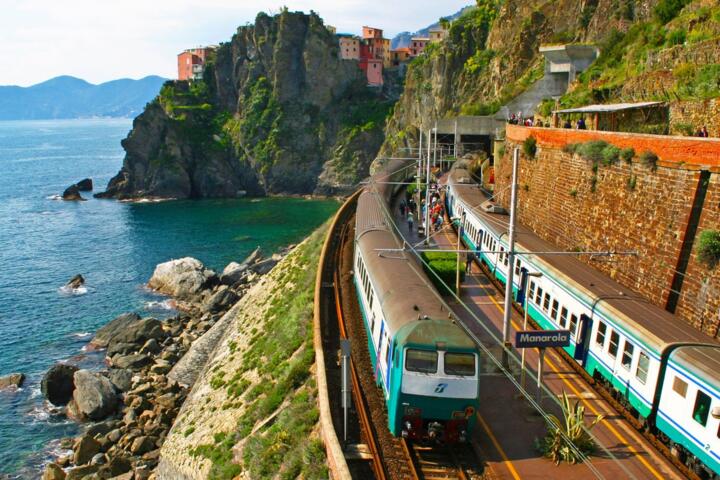
Italy’s rail network mixes high-speed services on major corridors with regional trains that stop frequently and reach smaller towns. High-speed trains typically run on dedicated lines between large cities, while regional trains share tracks with slower traffic and make many intermediate stops. The result is a predictable pattern: high-speed saves time on long legs, and regional trains fill gaps where direct high-speed service does not reach.
For itinerary planning, treat each travel day as two decisions: the route between anchor cities, and the local access from the station you arrive at. For example, a Rome-to-Florence leg often works best with a high-speed train, while reaching a hill town near Siena usually requires regional service plus a short bus or local connection. If you plan to visit multiple neighborhoods in one city, the station choice matters too, since some regional routes arrive at different station areas than the high-speed terminals.
Seat reservations and ticket rules also differ. Many high-speed tickets include a seat reservation, and the train may require validation or QR scanning at boarding. Regional tickets can be cheaper, but they may involve more frequent platform changes, less predictable crowding, and fewer staff interactions when something goes wrong. On a trip I planned for May 2025, I noticed the same route could show different platform numbers across apps within minutes of departure—an annoyance that disappears when you build a buffer.
Common Booking Pain Points
Travelers often misjudge time because they compare only the scheduled duration and ignore stop patterns. A regional train that lists a “total journey time” can still feel slower in practice due to frequent station dwell times, slower acceleration, and longer boarding at busy stops. Another frequent issue is assuming that a high-speed train stops at the same stations as the regional line; in Italy, the high-speed network often bypasses smaller intermediate towns.
Ticket type confusion causes the next set of problems. Some tickets are tied to a specific train or time window, while others are flexible but still require validation. Seat reservations can be mandatory on certain high-speed services, and missing a reservation can mean you board but sit elsewhere, or you face restrictions depending on the operator’s rules. Regional tickets may look simple, yet they can include conditions like validity periods, route limitations, or restrictions on transfers.
Supporting systems shape the experience more than most people expect. Timetables depend on real-time updates, and platform assignments can change due to operational delays. Booking interfaces also matter: a search result that shows “fastest” may hide the fact that it uses a transfer with a short connection. On my laptop, I once compared results in Google Maps and a rail-specific timetable site and saw different suggested connections for the same hour—both were plausible, but only one matched the platform layout I later saw at the station.
Finally, travelers sometimes plan around the wrong station. In large cities, high-speed and regional services may use different terminals or require short metro or walking transfers. If you arrive on a high-speed train and then immediately connect to a regional service, the transfer time you budget determines whether the day feels calm or rushed.
How To Choose Trains
Match Speed To Distance
Use high-speed trains for long legs between major cities where the corridor is served directly. A practical rule: if the route is between two large hubs and the high-speed option avoids transfers, it usually reduces both travel time and connection risk. For shorter hops or when you need a specific intermediate stop, regional trains often fit better even when the total duration is longer.
When you compare options, look beyond the minutes. Check the number of stops, the likelihood of a transfer, and the station location at each end. If the regional train stops at your target town, it can remove the need for a bus or taxi. If it does not, regional service may still help you reach a nearby rail station, then you switch to local transport.
For planning buffers, many travelers underestimate how long it takes to move through gates and reach the correct platform. A 20–30 minute buffer can be enough for a same-station connection on a quiet day, while a 45–60 minute buffer is safer when you cross between terminals or rely on a transfer that requires walking.
Check Reservations And Rules
Before booking, confirm whether the ticket includes a seat reservation and whether the reservation is tied to a specific train. High-speed services frequently use reserved seating, and the boarding process can involve scanning or checking the reservation. Regional tickets can be flexible, but they still require validation and may have rules about route and time windows.
Use the booking confirmation details as your source of truth. Look for fields like “train number,” “departure time,” “reservation,” and “ticket validity.” If the interface shows a fare type without clear conditions, open the ticket terms page or the “fare rules” section. On a trip planning session in March 2026, I found that one fare option listed “no reservation” while another for the same train listed “reservation required,” and the difference changed where I could sit.
If you travel with luggage, check whether the train has luggage racks or designated areas. High-speed trains often have overhead storage, while regional trains can have more variable space depending on the carriage type. When you expect bulky bags, choose a seat near luggage areas or plan to travel with a smaller carry-on.
Plan Station Transfers Carefully
Station transfers are where itineraries break. In cities like Rome, Milan, Florence, and Venice, high-speed and regional services may use different stations or require metro connections. Build your schedule around the station you actually arrive at, not the city name alone.
Use real station maps or walking directions from your route planner, then add time for ticket gates. If you need to cross platforms, check whether the station has underpasses or elevators that slow movement. On older stations, stairs and long corridors can turn a “short walk” into a longer delay.
For multi-leg days, avoid chaining three trains with tight connections. A two-leg day can work with a moderate buffer, but three legs often increases the chance that a delay on the first leg cascades into missed connections. If you must do it, choose the first leg with the most time margin.
Use Real-Time Updates
Timetables are static until operations change. Use a real-time departure board or a rail app that shows platform and delay information. When a platform changes, it can happen close to departure, so checking again shortly before boarding reduces last-minute stress.
Keep your plan flexible by identifying an alternate train on the same corridor. For example, if you miss a connection, a later regional train may still reach your destination even if the high-speed option is gone. This is where regional trains can act as a safety net, especially on routes with frequent service.
Write down the key details: departure time, train number, platform, and the station name for your destination. If your phone battery drops, you still have the information you need to find the correct platform.
Educational Case Examples
Scenario 1: Rome to Florence with a day trip. A traveler plans to spend the morning in Florence and return to Rome the same evening. The itinerary uses a high-speed train for the Rome–Florence leg because it reduces total travel time and keeps the day focused on sightseeing. For a day trip to a smaller town near Florence, the plan switches to a regional train that stops closer to the town center, then adds a short local bus ride. The traveler avoids a tight connection by choosing a regional departure with at least 45 minutes after arriving in Florence.
Scenario 2: Naples to Venice with a regional stop. A traveler wants to visit a mid-sized city along the way and still reach Venice. The plan uses high-speed service for the longest corridor segments, then inserts a regional train for the stop that high-speed bypasses. The traveler checks reservation rules for the high-speed legs and chooses a regional connection with frequent departures. When delays appear on the first high-speed leg, the traveler switches to the next regional departure rather than attempting to force the original connection.
Comparison Table: Train Types
| Decision Factor | High-Speed Trains | Regional Trains | How To Choose |
|---|---|---|---|
| Typical Use | Long legs between major cities | Local access and smaller towns | Use high-speed for anchor-to-anchor travel; use regional for gaps |
| Stops | Fewer intermediate stops | Many intermediate stops | If you need an intermediate town, regional often fits better |
| Seat Reservations | Often included or required | May be flexible or not required | Check the ticket terms before assuming you can sit anywhere |
| Connection Risk | Lower on direct routes; higher with transfers | Often frequent, which helps recovery | If connections are tight, pick the leg with more time margin |
| Station Logistics | May use major terminals | Can arrive at different platforms or stations | Confirm the exact station name and platform before leaving |
Common Mistakes To Avoid
Booking the fastest option without checking the connection time is the most common planning error. A 15-minute transfer can work on paper and fail in practice if you need to cross between terminals or pass through gates. Another mistake is ignoring station location differences; “arrives in Florence” can still mean a different station area depending on the service type.
Travelers also over-trust a single app’s itinerary. Timetable data can vary by provider, and platform assignments can change. If you rely on one source, verify the train number and departure time on the station board shortly before departure.
Some people assume regional trains are always cheaper in total. A regional itinerary can become more expensive when you add taxis, buses, or extra nights to cover missed connections. Compare the full day plan, not just the ticket price.
Finally, many travelers forget to check luggage and seat policies. A reserved seat on a high-speed train can reduce stress, while an unreserved regional carriage can become crowded. If you travel with a stroller, large suitcase, or mobility aids, plan for space and boarding flow rather than treating the train as a fixed commodity.
FAQ
Do High-Speed Tickets Require Seat Reservations?
Many high-speed services include reserved seating, and some fares require a reservation tied to a specific train. Check the ticket details for reservation status and any boarding conditions.
Are Regional Trains Cheaper For Every Route?
Regional fares can be lower, but total cost depends on connection needs, added local transport, and the time you spend. Compare the full itinerary, not only the base fare.
How Much Buffer Time Should I Use?
For same-station connections, 20–30 minutes can work on quiet days. For transfers between terminals or stations, 45–60 minutes reduces the chance of missing the next train.
What Happens If My Train Is Delayed?
Use real-time departure boards to see platform and delay updates. If you miss a connection, look for the next regional departure on the same corridor, since regional service often runs more frequently.
Can I Mix High-Speed And Regional Trains In One Day?
Yes, but plan around station logistics and ticket rules. Confirm the exact station names, platform access, and reservation requirements for the high-speed leg.
Author's Insight
Rail planning in Italy works best when you treat train type as a tool for a specific job: high-speed for anchor-to-anchor travel, regional for local access and recovery options. The biggest sources of friction are usually not the train itself, but station transfers, reservation rules, and last-minute platform changes. I recommend building an itinerary that includes at least one “backup” departure you could take if a delay disrupts your connection. If you want a practical workflow, compare two timetable sources, then confirm the train number and platform on the station board close to departure.
Key Takeaways
- Use high-speed trains for direct long legs between major cities to reduce travel time and connection risk.
- Use regional trains to reach towns bypassed by high-speed lines and to recover when delays disrupt tight plans.
- Check reservation and ticket validity rules before assuming you can board any train at the same time.
- Plan around exact station names and transfer routes, then add buffer time for gates and walking.
- Verify platform and delay information shortly before departure, since platform assignments can change.