Morocco's Travel Routes
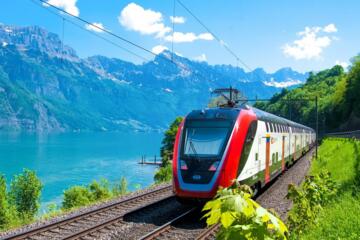
Morocco covers about 710,850 square kilometers, offering diverse geography from the Sahara Desert to the Atlas Mountains. Planning routes here means balancing time, comfort, and experience. For example, the Casablanca to Marrakech route is about 240 kilometers and takes roughly 2.5 hours by high-speed train. This train, called Al Boraq, runs up to 320 km/h, making it the fastest in Africa. Travelers who opt for road trips along the Atlantic coast find scenic views but should budget about 4 hours due to road conditions.
Buses connect most cities with frequent departures; CTM and Supratours are reliable operators. However, they often stop multiple times which extends travel. A short flight from Casablanca to Agadir takes around 1 hour but includes checkpoint delays.
Rural regions rely on shared taxis (grand taxis), which operate on fixed routes but have flexible schedules. That system can be confusing for newcomers. Avoid night travel on rural roads, especially along mountain passes, due to limited lighting.
Common Travel Challenges
Many travelers underestimate the complexity of Moroccan travel logistics. They assume flying is always faster, ignoring airport wait times and transfers. Another frequent issue is overpacking time for short journeys, resulting in schedule frustrations.
Mistaking grand taxis for private ones can lead to uncomfortable rides and unexpected costs. There are safety concerns: petty theft in crowded markets or busy train stations can surprise unprepared visitors.
Travelers ignoring local customs around dress and conduct sometimes face hostility in remote areas. Also, road conditions outside urban centers often worsen after rain, raising the chance of delays or breakdowns.
Unfamiliarity with emergency numbers adds risk. For instance, Morocco's medical emergency number is 190, police 177, which tourists rarely memorize before arriving. This gap can slow response during incidents.
Route and Safety Tips
Use Official Transport Services
Booking through CTM or Supratours guarantees legal certification and regular schedules. These companies adhere to safety protocols; for example, Supratours buses feature seat belts and air-conditioning. It reduces risk compared to unregistered operators, who might overload vehicles.
Travel During Daylight Hours
Daytime travel increases visibility and lowers accident risks on mountain or desert roads. Services are more available, and should an issue arise, help arrives faster. Total travel time might be longer, but the experience feels safer and more predictable.
Stay Informed with Local Apps
Apps such as Waze and Google Maps work decently in major cities and along main highways but can falter in rural parts. The Moroccan Railways app (ONCF) offers real-time train schedules and ticket purchases. Install these apps before arrival and download offline maps, particularly for Sahara or trail routes.
Carry Cash and Small Notes
Cash is king outside metros and tourist zones. You’ll need roughly 50-200 MAD daily for food, taxis, and entrances. ATMs exist but dwindling ATMs in some Atlas villages means carrying backup cash is advisable. Avoid flashing large bills publicly.
Understand Local Customs
Cover shoulders and knees, especially in rural areas and religious sites. It reflects respect and lowers chances of conflict. Additionally, negotiate fares upfront with taxi drivers, aiming for about 20-30% lower than the meter in cities like Marrakech; it’s expected and fair.
Secure Personal Belongings
Always wear a money belt or discreet backpack in crowded areas. Pickpockets use distractions, such as street performances or sudden bumps. A trusted RFID-blocking wallet or pouch helps reduce electronic theft risk. Minimalism wins here—bring fewer valuables, cautiously.
Use Trusted Accommodation
Booking riads or hotels with positive online reviews on platforms like Booking.com or Airbnb reduces surprises. Secure your room door and windows before sleeping. Hostels may lack strong locks, so consider portable travel safes for passports and gadgets.
Have Emergency Contacts Ready
Save embassy contacts, local emergency numbers, and a trusted local guide’s number in your phone and write them down. Signal coverage varies—especially near the Sahara—so a satellite phone rent or offline messaging app like Bridgefy might be worthwhile for serious ventures.
Learn Basic French or Arabic Phrases
Having simple words like “help” (aide), “doctor” (docteur), and “police” (police) at hand can change situations rapidly. Many locals speak French; fewer understand English fluently. Carry a phrasebook app to bridge language gaps in emergencies.
Real Field Cases
A tour company in Marrakech had frequent complaints about unreliable transportation on desert tours. Switching to a registered 4x4 provider with GPS tracking reduced delays by 40% and improved customer satisfaction scores to 9.2/10 in 2023. Customers reported feeling safer and more comfortable.
An independent traveler rented a car from Casablanca to Essaouira. Not anticipating road tolls and parking limits, they overspent by 25% of the original budget. After using local Facebook travel groups, they found free parking spots and alternative routes, cutting costs by 60 MAD daily while avoiding traffic jams.
Route Safety Checklist
| Step | Action | Benefit | Resource |
|---|---|---|---|
| 1 | Book official transport | Safety & timing | CTM, Supratours |
| 2 | Travel daytime only | Reduced accident risk | -- |
| 3 | Carry small cash | Easy payments | MAD currency |
| 4 | Use local apps | Route planning | ONCF, Waze |
| 5 | Respect local dress | Avoid discomfort | Cultural norms |
| 6 | Lock valuables | Theft prevention | RFID wallets |
| 7 | Memorize emergency | Quicker aid | 190, 177 |
Mistakes to Avoid
Relying solely on Google Maps off-the-grid leads to major detours, so prepare offline maps in advance. Tourists often barter too late or accept the driver's first price, resulting in overpaying by up to 50%. Using unlicensed taxis, especially from airports, exposes travelers to scams.
Ignoring weather reports can lead to stuck vehicles during rain or sandstorms. Mixing precious items such as passports with daily cash invites loss or theft. Missing hydration and sun protection on desert trips, which seems trivial, causes real harm quickly.
FAQ
Is Morocco safe for solo travelers?
Yes, with caution. Stick to well-known routes and avoid isolated areas at night.
What is the best transport within Morocco?
The high-speed train links Casablanca, Rabat, and Marrakech efficiently for cities. For rural areas, official buses and grand taxis are common.
Are credit cards widely accepted?
Major cities accept cards; however, rural spots often require cash, so carry Moroccan dirhams.
Should I hire a local guide?
For deserts or mountains, a guide improves safety and local insight but not mandatory in cities.
What safety precautions apply for desert routes?
Carry water, GPS devices, inform someone of your route, and avoid night travel or solo excursions.
Author's Insight
My experience traversing Morocco multiple times has taught me to respect the country's rhythms and conditions. Trusting official transportation and planning daylight travel prevented many headaches. Language barriers fade with a phrasebook and local patience—no need for fluency. I always carry emergency numbers on a paper card, which, well, helped in a 2022 roadside delay near Ouarzazate.
Patience counts more than precision in Morocco’s travel. Flexibility turned what could be stress into stories.
Key Takeaways
Choosing official transport routes, traveling during daylight, and preparing cash ease the Morocco journey. Use technology wisely, respect local customs, and keep valuables secure. Ready emergency contacts and a grasp of local practices reduce travel risks sharply. Morocco offers immense rewards, but thoughtful routing and safety awareness make those rewards last.