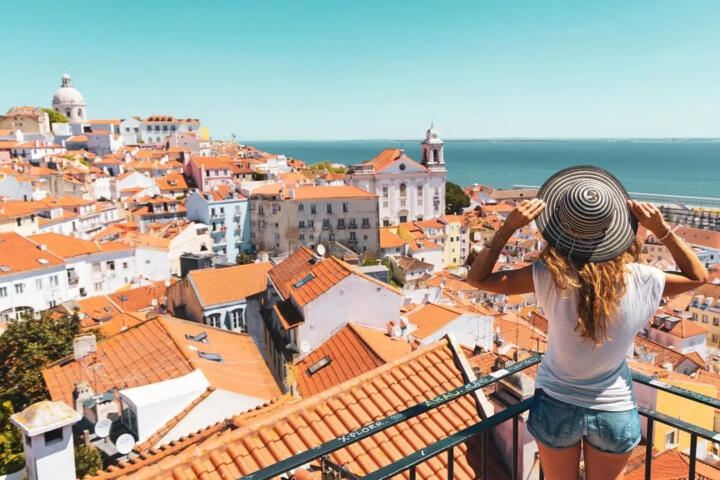
Portugal Travel Basics
Portugal stretches 560 km from Porto in the north to Faro in the Algarve, offering diverse landscapes packed into a small area. Cities differ sharply: Lisbon’s hills and trams contrast the flat, wine-soaked Douro Valley around Porto. Meanwhile, coastal routes sweep past cliffs and sandy coves. Driving from Lisbon to Porto takes about three hours, with well-maintained highways and tolls around €20, but trains and planes compete depending on your schedule.
Travelers use two main airports—Lisbon Humberto Delgado and Francisco Sá Carneiro in Porto—handling over 55 million passengers yearly combined. Meanwhile, rail lines like the Alfa Pendular cover the distance between these cities in roughly 2.5 hours with speeds up to 220 km/h. These concrete facts guide decisions for logistics and time management.
I like to plan routes with a mix of transport: trains for speed, scenic coastal drives for flexibility. Adjusting stops on the road in places like Óbidos or Coimbra spices the trip.
Common Travel Pitfalls
Crowds and high prices around Lisbon and Porto tempt visitors to rush. This rush often turns into missing smaller gems like Aveiro’s canals or the Roman ruins in Conímbriga. Public transit can confuse those expecting assurances on schedules; regional buses in rural areas run infrequently or late, adding frustration, especially outside tourist seasons.
Omitting advance bookings on trains or rental cars causes sudden cost spikes or no availability. For example, renting a car at Faro airport in summer without a reservation often means paying double — vendors run low on models.
Ignoring toll roads is a frequent mistake. Many travelers opt to avoid them but discover on the route that detours cost more time—and in some areas, GPS fails, and local signs use ambiguous abbreviations for roads.
Practical Travel Tips
Plan multi-modal routes
Use trains for core city-to-city travel, then rent a car for day trips. This mix reduces parking headaches in tight urban centers like Lisbon. Trains from Lisbon to Porto start at about €25 one-way booked weeks ahead on Comboios de Portugal. Cars cost roughly €25 daily off-season.
Book tickets early
Train and plane tickets are often cheaper purchased online two to six weeks before travel. I use the Alfa Pendular app version 3.4, which tracks seat availability instantly and saves you from last-minute price surges. Flight prices on TAP Air Portugal can double if booked late, notably in summer.
Use toll tags
Instead of paying tolls manually, get an electronic toll device from your rental agency or locally. It simplifies highway trips and can reduce costs by 10-15% depending on route. Avoid struggles that come with unfamiliar Portuguese payment systems or language barriers at machines.
Focus on less-touristy routes
Drive from Porto south through Douro Valley for vineyards and fewer crowds than the Algarve. The N222 road is one of the world’s best drives with panoramic views, not overrun, offering a real cultural experience in towns like Peso da Régua.
Local apps help
Install Moovit for public transport schedules, especially in Lisbon and Porto metro areas. Use Google Maps offline in rural zones. However, some ferry schedules along the coast aren’t on mainstream apps—I carry a printed timetable just in case.
Accommodations near transit
Book hotels or guesthouses close to major train or bus stations to lower transfer stress. For example, in Porto, staying near São Bento Station lets you jump on trains and trams quickly, saving time for sightseeing.
Time your visits
Avoid peak hours on routes like Lisbon to Sintra, which clog with tourists between 10am-3pm. Early mornings or late afternoons help reduce waiting times by half, especially in July and August.
Pack smart for diverse weather
Portugal’s climate varies—hot in the south, mild in the north—so have sun protection along with layers for unpredictable rain in Porto. Pack walking shoes and a windbreaker; the coastal wind hits stronger than most travelers guess.
Try local transport cards
Lisboa Viva card and Porto’s Andante card offer unlimited rides on buses, trams, and metro over several days. They cut costs by around 20-30% for regular use.
Real Travel Experiences
A small tour company I worked with in 2022 took a group from Lisbon to Porto on the Alfa Pendular. Booking three months ahead snagged all 12 seats at €23 each. They added a rented van for wine region stops, cutting transit downtime by 40%. They reported vast satisfaction from travelers who explored vineyards outside typical routes like the extended Douro line.
Another case involved a solo traveler avoiding costly Lisbon hotels by staying 10 km outside the city, using public transit cards for €20 a week. Their saved accommodation costs funded a day trip to Cascais and a food tour. They found value skipping expensive taxis and tourist buses.
Route Planning Checklist
| Step | Action | Tool | Expected Outcome |
|---|---|---|---|
| 1 | Map main points | Google Maps, Rome2rio | Visual route overview |
| 2 | Check transport schedules | Comboios de Portugal app | Confirm timings |
| 3 | Book tickets upfront | Official websites | Lower costs, seat guarantee |
| 4 | Reserve car rentals early | Rentalcar.com, Discovercars | Better rates, options |
| 5 | Download transit apps | Moovit, Citymapper | Real-time updates |
| 6 | Pack for weather variety | Weather apps | Comfort, readiness |
Travel Pitfalls
Overplanning urban stops leaves little room for local discovery. Some travelers cram Lisbon, Porto, and Algarve into two full days, missing pace of life by not resting into the culture. Others forget that southeastern flights surge 2-3x in summer, meaning drive or train can save money if time flexes.
Ignoring road tolls or GPS signals leads to wrong turns. On the N125 near the Algarve, signs can confuse drivers due to local short forms, which, frankly, most rental guides skip explaining. This causes delays and stress.
Buying last-minute train tickets is expensive and trains fill fast during festivals like Festa de São João in Porto or Lisbon Gay Pride.
FAQ
What are must-see road routes?
The N222 running through Douro Valley between Peso da Régua and Pinhão offers unforgettable landscapes. Also, the coast from Lagos to Sagres on the N268 is scenic and less crowded.
How early to book train tickets?
Booking 3-4 weeks in advance catches lower fares on Comboios de Portugal. Prices jump sharply closer in summer and holidays.
Are toll roads avoidable?
You can avoid tolls, but alternative roads add hours. For example, avoiding A1 between Lisbon and Porto can double drive time.
Can I use public transport to explore Algarve?
Yes, regional buses connect towns but timetables are sparse. Renting a car improves flexibility greatly.
What payment methods work for tolls?
Electronic toll devices (Via Verde) accept credit/debit, avoiding physical booths, and allow online account management.
Author's Insight
I’ve covered Portugal by train, car, and even kayak around the coast—each method reveals different layers of the country. Combining trains between cities and renting a car locally maximizes both speed and freedom. The slowest routes often hide the best experiences, so I take extra days whenever possible. Planning based only on guidebooks means missing out on off-the-map towns that don’t show up easily on usual lists.
Key Takeaways
Portugal’s compact size versus rich regional variety rewards mixing transport modes: trains for efficiency, car for exploration. Advance bookings save money and headache, while local transit cards simplify city travel. Avoid overpacking daily routes; pacing gives room for genuine moments beyond tourist spots. Listen for local tips and watch for tolls to avoid unnecessary expenses. The best trips leave room to wander, relax, and absorb the quietly complex rhythm of Portugal.