Choosing Safe Destinations
Traveling solo for the first time brings excitement mixed with uncertainty about safety. Countries with low violent crime rates and well-developed tourist infrastructure make safer choices. For example, Japan's crime rate sits at 0.3 per 100,000 population for violent incidents, one of the lowest globally, promoting peace of mind. Iceland ranks highly too, often topping the Global Peace Index, recording just 0.1 violent crimes per 100,000 residents. In these places, public transport runs efficiently, streets stay lively after dark, and locals generally respect personal space.
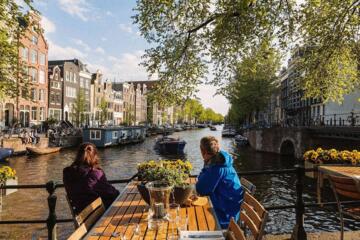
Travelers often start in urban centers. Amsterdam and Copenhagen blend safe neighborhoods with cultural richness and English-friendly environments, reducing language barriers and stress. Safety also ties into healthcare quality—countries like Australia and Singapore have universal healthcare systems accessible even to tourists, a factor many overlook initially.
Feel secure by choosing recognized travel-friendly countries. Avoid hotspots with ongoing instability, and look for places where solo tourists aren't a rarity but embraced instead.
Travel Risks to Avoid
Many underestimate risks like petty theft, scams, or transportation pitfalls. For instance, pickpockets operate smoothly in crowded markets without leaving obvious traces. Losing a phone or wallet instantly isolates a solo traveler if backups are lacking. Solo travelers frequently assume local emergency services can be summoned easily; this varies greatly across regions. In some countries, calling emergency numbers may lead to long delays or language confusion.
Accommodation anxiety represents another gap. Booking the cheapest hostel without reviews or a verified address can lead to unsafe situations. Misjudging local customs, such as dress codes or gender norms, might provoke unwanted attention or create barriers to help. I’ve seen travelers ignore local transport plans, ending up stranded late without safe rides.
The fallout? A single incident can sour an entire trip—and shape fear or reluctance toward future solos. Plans interrupted by safety breaches rarely resume as intended.
How to Stay Safe Abroad
Research Destinations Deeply
List the top five countries with official embassy updates and crime statistics from sites like Numbeo. Check travel forums (TripAdvisor, Lonely Planet). Look at recent traveler feedback for evolving issues, not just old praise. Cross-check health advisories and political climate; for example, Mexico’s safety varies vastly by state, needing district-level scrutiny.
Choose Careful Accommodation
Select places with at least 100 positive reviews on trusted booking platforms. If Airbnb, prefer Superhosts or listings with verified photos. Opt for neighborhoods with good lighting and 24/7 security when possible. A friend once booked a cheap room in Rio’s poor district: the locked gate, to their surprise, was often left open.
Use Local Emergency Apps
Install country-specific safety tools, like Japan’s Safety Tips app or Australia’s Emergency+ app. These apps share your location with authorities and send alerts. In 2023, the average emergency response time using these apps dropped by 20% in urban settings.
Blend In to Avoid Attention
Dress like locals, avoid flashy jewelry, and limit smartphone use in public. Overly touristy gear marks you as a target. In Morocco, even subtle dress missteps invite aggressive haggling or worse. Carry a secondary wallet with few bills to misdirect thieves.
Map Reliable Transport
Buy local SIM cards for GPS access or download offline maps like Maps.me. Use well-reviewed taxi apps such as Grab in Southeast Asia or Bolt in Europe. Count on public transit schedules and avoid last-minute street hails. Personal taxi scams reduced by 35% after app use became mainstream in 2022.
Register with Embassies
Enroll in your country’s traveler registration program. It may help official help reach you during unrest or emergencies. This step saves hours of confusion, as I figured out during a flash flooding event in Lisbon last year.
Carry Multiple Payment Options
Limit carrying large cash sums. Use a credit card with low foreign transaction fees and a backup prepaid travel card. Spread funds between pockets or bags, so losing one doesn’t bankrupt you. One traveler lost a wallet in Lisbon, but her backup card kept the trip going.
Stay Connected with People
Let family or friends track your itinerary with apps like Find My or Google Location Sharing. Check in once daily, even if you feel fine. This keeps support activated in case of emergencies.
Keep Medical Supplies Handy
Pack a basic first aid kit and copies of prescriptions or medical records stored offline. Health facilities may not always speak English or have your medication.
Lessons From Real Trips
A recent case involved Mia, a solo traveler who started in New Zealand. She avoided hostels lacking locks and chose a neighborhood hostel with CCTV. She used a prepaid SIM card for navigation and emergency calls, receiving help instantly when her bus was canceled last-minute. Mia’s careful prep led to zero incidents over 21 days.
Another traveler, Ethan, went to Portugal with minimal prep. Without researching neighborhoods, he booked a hotel near a high-theft district. After losing his phone, he relied on embassy support and a local SIM for assistance—workable but stressful. Still, his experience highlighted how the latter half of Portugal proved safer once he relocated to Lisbon’s Alfama district.
Safe Travel Checklist
| Step | Action | Tools | Result |
|---|---|---|---|
| Research | Check crime stats, forums | Numbeo, Reddit, embassy sites | Better destination choice |
| Accommodation | Book safe, reviewed housing | Airbnb Superhost, Booking.com | Reduced theft risk |
| Transport | Use apps and offline maps | Grab, Bolt, Maps.me | Avoided scams, delays |
| Emergency | Install local safety apps | Safety Tips, Emergency+ | Faster aid response |
| Money | Split funds, multiple cards | Prepaid cards, credit cards | Financial backup ready |
| Check-In | Share plans with contacts | Find My, Google Location | Active support network |
Avoid These Errors
Ignoring local advice ranks first among risks. In Thailand, a solo traveler underestimated sharp bends on rural paths, leading to questionable detours. Another issue is inadequate insurance—some skip travel insurance or pick low coverage; they end up with massive bills from treatable injuries abroad. Missing early registration with embassies often results in problems if political unrest snarls flights.
Overpacking is frequent. Lugging too much triggers fatigue and limited mobility, increasing vulnerability. Also, posting travel plans publicly in real-time draws unwelcome attention. On forums, travelers mention wakes from hosts that woke them repeatedly, but nobody flagged safety concerns before the trip.
FAQ
Which countries are safest for solo travelers?
Nations like Japan, Iceland, New Zealand, Canada, and Portugal rank highest for safety due to low crime, good infrastructure, and respectful locals.
How should I prepare my documents?
Carry physical and digital copies of your passport, visa, ID, emergency contacts, medical records, and travel insurance. Store copies separately.
Are solo female travelers at more risk?
Some countries hold higher risks for solo women, particularly regarding harassment. However, with careful research and respect for local customs, risks decrease substantially.
What apps help enhance safety?
Emergency apps like Safety Tips for Japan, Emergency+ in Australia, and general tools like Find My Friends help track and access help swiftly.
Is travel insurance necessary?
Yes, it covers unexpected medical needs, travel delays, and theft. Policies vary; choose one covering your activities and regions.
Author's Insight
I started solo travel nervously but grew confident after choosing places with transparent safety records. My best trips involved thorough prep—research, apps, and communication mattered more than avoiding exciting spots. One trip to Taiwan in June 2022 taught me: even the safest places can surprise, so flexible planning keeps you safe and sane.
Key Points
Solo travel demands thoughtfulness about safety without sacrificing adventure. Opt for countries with proven low crime and good travel resources. Prepare digitally and physically, register with embassies, and use safety tech. Avoid over-sharing plans and overpacking, stay vigilant, and carry multiple payment forms. The right choices make solo travel rewarding, not risky.