EES For Families First
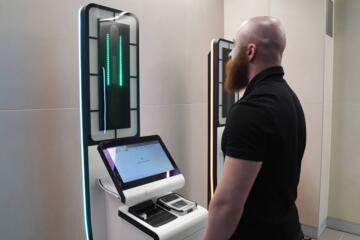
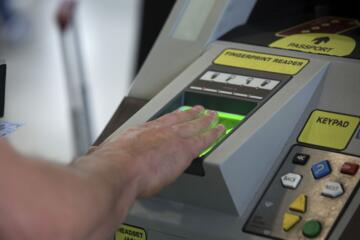
The EU Entry/Exit System (EES) records entry and exit data for travelers who cross external EU borders for short stays. For families, the practical change is that border processing may include biometric capture (such as fingerprints) and a more structured check than some travelers remember from older border flows.
EES is designed for non-EU travelers who enter under short-stay rules. It links a traveler’s identity data to each entry and exit event, which helps border authorities track overstays and manage border statistics. If your family plans to visit multiple countries, the EES record follows you across participating border crossings rather than resetting at each border.
For a first trip, the most useful approach is to treat EES as a “border appointment you can’t reschedule.” You plan around it, you bring the right documents, and you expect that children may need the same biometric steps as adults, depending on age rules and how the system is applied at the border.
Common Pain Points And Errors
Families often get stuck on three areas: eligibility assumptions, document mismatches, and timing at the border. The biggest error is assuming that “short stay” means “no system checks.” Short stays still require identity verification, and EES adds structured entry/exit recording.
Another frequent problem is passport handling. If one child’s passport is renewed close to departure, the new passport number must match the traveler identity used for the trip. When families split documents across bags, it becomes easy to present the wrong passport at the wrong time, and border staff cannot “guess” which document is correct.
Biometrics create a different kind of friction. Fingerprints can be difficult for very young children, and some borders may apply age-related exemptions or capture alternatives. The rules are not identical across every border scenario, and the staff workflow can vary by terminal layout and staffing.
Supporting technologies matter too. EES relies on secure identity data capture at border points, plus connectivity to central systems. If a border crossing has temporary connectivity issues, processing can slow down, and families may face longer queues even when documents are correct.
What To Do Before You Go
Check Eligibility And Scope
Start with the basics: EES applies to non-EU travelers entering the Schengen area for short stays, and it records entry and exit events. Confirm your passports’ nationality and your planned length of stay before you book. If you have a child who holds a different nationality passport than the parent, treat that as a separate eligibility check.
Use official EU and border authority guidance for your specific route and travel dates. If your itinerary includes multiple countries, check whether all planned border crossings are part of the EES rollout for your travel window. Rollout timing has changed over time, and planning based on outdated assumptions can lead to surprises at the first border you cross.
As a practical aside, I’ve seen families print a “visa-free” checklist from a forum and then discover their child’s passport had a different nationality status. That mismatch is easy to avoid with one careful document review.
Prepare Passports And Data
Make a single family document set: each traveler’s passport, copies of the main page, and a note with the exact passport number. If you renew any passport, update your travel records immediately. Airlines and hotels may not care about EES details, but border staff will care about the passport presented at the border.
For children, keep the passport in a predictable place during travel. Many families use a small day pouch for boarding and border steps; that reduces the “where is the passport?” scramble that happens when kids need snacks or restrooms.
When you fill in any pre-travel forms required by airlines or entry rules, match spelling and dates exactly as shown on the passport. Even minor differences can create manual review, and manual review is where delays multiply.
Plan For Biometric Capture
Expect that border processing may include biometric capture steps. For children, the border authority may apply age-based rules or practical exemptions, but you should still plan for the possibility of fingerprint capture attempts. If a child has very small hands or has had recent injuries to fingers, bring that context to the border staff calmly.
Arrive early enough to absorb delays. A realistic buffer for a family is often 60–90 minutes beyond what you used for older border crossings, especially at busy airports. If you connect through a major hub, add extra time because queues can shift quickly.
At the border, follow staff instructions for positioning and finger placement. Fingerprints can fail when hands are wet, cold, or dirty, so simple steps like drying hands and removing gloves (when asked) can reduce repeated attempts.
Use Checklists For Timing
Create a “border day” checklist: passports accessible, child snacks packed, a pen for any paper forms, and a phone with offline access to booking confirmations. If your family uses an app for travel documents, test it before leaving home; I once watched a family lose 20 minutes because the app required a login that only worked with a specific carrier signal.
Track the first border crossing in your itinerary. EES recording begins when you enter the participating area, so the first crossing is where you want everything ready. If you plan to enter by land from a non-Schengen country, the process can differ from an airport flow, and you may need to plan for longer waits.
Keep a note of your planned exit date. EES records exit events, and if you change your itinerary, the mismatch between expected and actual travel dates can trigger extra questions at exit.
Educational Case Examples
Family With Two Nationalities
A family of four travels from the UK to France for a 10-day holiday. The parents hold UK passports, and one child holds a different nationality passport through a parent. During document review, they confirm that each passport’s entry conditions are checked separately and that the child’s passport is valid for the full trip. At the airport border, the family expects biometric capture steps and arrives early enough to handle a short queue.
The key lesson is administrative: eligibility and identity checks are passport-specific. The family avoids delays by presenting the correct passport for each traveler and by keeping passport numbers consistent across airline check-in and travel plans.
Renewed Passport Before Departure
A couple renews their passports two weeks before travel and forgets to update a hotel booking that includes passport details. Their child’s passport remains unchanged. At the first border crossing, the passports presented match the physical documents, but the hotel later asks for updated details. The family resolves it by updating the hotel record and keeping a copy of the new passport information.
The lesson is that EES depends on the passport used at the border. Other travel documents may lag behind, so you should update them after renewal to reduce follow-up friction.
EES Checklist And Tradeoffs
| Decision Point | What To Do | What Can Go Wrong | How To Reduce Risk |
|---|---|---|---|
| First Border Crossing | Arrive early and keep passports accessible | Long queues and repeated identity checks | Add 60–90 minutes buffer for families |
| Children And Biometrics | Follow staff instructions for capture attempts | Fingerprint capture fails due to age or conditions | Dry hands, remove gloves when asked, stay calm |
| Passport Renewals | Update travel records after renewal | Mismatch between booking details and border passport | Keep a note of new passport numbers and dates |
| Exit Date Changes | Plan itinerary changes carefully | Extra questions at exit if dates differ | Keep proof of updated travel plans |
Common Mistakes Families Make
Families sometimes rely on a single “entry rules” page that covers adults only. Children’s passports can carry different nationality rules, and EES processing depends on the passport presented at the border.
Another mistake is treating biometric capture as optional. If staff request capture, refusing or delaying can shift you into a manual process. Manual processing can be slower, and it can require additional document checks.
Some travelers pack passports in checked luggage or in a bag that is hard to access during border steps. That creates avoidable delays because border processing expects immediate document presentation.
Finally, families can underestimate the impact of connectivity issues at specific crossings. If a terminal has intermittent system access, the queue can grow even when everyone has correct documents. A buffer and calm coordination reduce stress for kids and adults.
FAQ
Does EES Apply To Children?
EES processing can include biometric capture steps for children, but age-related rules and practical exemptions may apply at the border. Plan for capture attempts and follow staff instructions.
Do We Need To Register Before Arrival?
EES is handled through border processing rather than a family “registration” step for most travelers. You should still check official guidance for any pre-travel requirements tied to your nationality and route.
What Happens If A Fingerprint Fails?
Border staff may retry capture or switch to an alternative workflow if fingerprints cannot be recorded. Arriving with dry, clean hands and following positioning instructions can reduce repeated attempts.
Can We Use The Same Passport For Multiple Trips?
EES records entry and exit events per traveler identity. You should use the passport you will present at the border, and if you renew it, update travel records so the passport presented matches your trip documents.
How Much Extra Time Should Families Add?
A practical planning buffer is often 60–90 minutes beyond your usual border time, especially at busy airports or during peak travel. If your first crossing is on a land border, add more time because queues and staffing can vary.
Author's Insight
EES changes the border workflow by adding structured entry/exit recording and biometric capture steps. For families, the main risk is not the system itself but mismatches: passport validity, passport numbers after renewal, and readiness for biometric capture attempts.
Because rollout timing and border procedures can vary by location, readers should verify the status for their specific travel window using official EU and border authority sources. A small planning habit—one document set per traveler plus a border-day checklist—reduces most avoidable delays.
If you use a travel document app, test it before departure; version mismatches and login prompts can waste time when you need quick access. I’ve seen families lose time to that kind of friction on the day of travel, and it rarely has anything to do with EES itself.
Key Takeaways
- EES records entry and exit events for eligible short stays, with biometric capture steps that may apply to children.
- Passport accuracy drives outcomes: renewals, passport numbers, and spelling must match what you present at the border.
- Plan extra time for the first border crossing and follow staff instructions for biometric capture attempts.
- Keep proof of itinerary changes so exit processing does not turn into a manual identity question.