Thailand Cost Explained
Thailand offers a wide range of travel experiences, from backpacker hostels in Bangkok to luxury resorts in Phuket. Prices vary drastically depending on location and season. For example, a basic guesthouse in Chiang Mai might cost 300-500 THB per night, while a beachfront villa in Krabi can run over 5,000 THB. Dining out ranges from street food at about 30-60 THB a meal to high-end restaurants charging 1,000 THB or more.
Transport expenses also differ; local buses start at 10 THB, tuk-tuks negotiate around 100 THB within cities, and domestic flights often go for 700-1,500 THB. Travel insurance averages about 500-1,000 THB for a two-week trip, depending on coverage. Annual tourist arrivals exceeded 27 million pre-pandemic, indicating Thailand's status as a budget-friendly hotspot.
Common Budget Issues
Many travelers underestimate daily expenses or overpay for convenience without considering alternatives. This leads to shockingly high bills, especially in tourist hotspots. Overbooking luxury accommodations before arrival can limit flexibility. Misjudged transport costs often mean cash shortages mid-trip.
Ignoring travel insurance or choosing inadequate coverage risks large out-of-pocket expenses if emergencies arise. Some visitors fail to factor in visa fees and tourist taxes. These mistakes can turn what should be an economical journey into an expensive ordeal. For example, relying solely on taxis in Bangkok can double transport spending compared to using the BTS Skytrain combined with motorbike taxis.
Budget Tips for Travelers
Choose Hotels Wisely
Book accommodations in advance using platforms like Agoda or Airbnb, which frequently offer discounted rates. Small guesthouses and boutique hotels in secondary cities cost 400-700 THB per night and remain clean and safe. Stay outside main tourist areas to save 20-50% on nightly rates. Some notable budget hotel chains include Lub d Hostels and Smile Hotels, with reliable facilities under 800 THB.
Eat Like a Local
Street food reigns supreme in Thailand for both price and taste. Meals like Pad Thai or Som Tum cost 30-50 THB at stalls. Markets also offer fresh fruit and snacks under 20 THB. Avoid tourist traps near landmarks that charge up to 300 THB for similar dishes. Splurge selectively on seafood or specialty restaurants, capping a meal around 500 THB per person. Apps like Wongnai help spot authentic eateries with good reviews.
Smart Transport Choices
Public transport is often the cheapest. The BTS Skytrain and MRT in Bangkok are efficient, with fares from 16 to 59 THB. In cities without rapid transit, songthaews (shared pickups) operate on fixed routes for 10-30 THB. Book budget airlines such as AirAsia or Nok Air early for domestic flights under 1,000 THB. Renting scooters runs 200-300 THB daily but requires caution, as accident rates are high.
Select Insurance Carefully
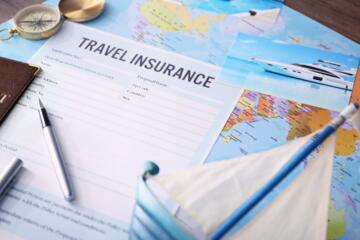
Compare policies using international platforms like SafetyWing or World Nomads designed for travelers. Basic packages costing around 500 THB for two weeks can cover emergencies but often exclude adventure sports, which costs extra. Read fine print on coverage limits for medical evacuation and hospital stays, as these can exceed several hundred thousand baht. Keep printed and digital copies of your policy onsite.
Use Cash and Cards Smartly
ATMs dispense 2,000-5,000 THB notes with a 220 THB fee per withdrawal common with international cards. Plan withdrawals around 10,000-15,000 THB for a week to minimize fees. Many places accept credit cards (Visa and Mastercard) but not small vendors. Use Grab app for cashless transport payments and promos that reduce fares by up to 30%.
Travel Off-Peak
Visiting between May and October reduces accommodation rates by 20-40% compared to high season. Rain happens but usually in short bursts. Less crowded attractions mean better experiences and discounts on tours and activities. If flexible, book last-minute—you might find rooms 50% below rack rates. I once scored a beachfront villa in Koh Samui for 2,000 THB in August, down from 5,000 THB peak price.
Local SIM Cards Save Money
Purchase a prepaid Thai SIM (AIS, TrueMove, or Dtac) for about 299 THB with 10 GB data. It covers GPS, language translation apps, and quick hotel bookings on the go. Avoid expensive roaming fees from your home provider. Activation is quick at Bangkok airports, including Suvarnabhumi, often handled by staff onsite.
Travel Budget Examples
Case 1: Anna, a solo traveler, spent 21 days exploring Northern Thailand on a 30,000 THB budget. She stayed mostly in guesthouses averaging 500 THB nightly and ate street meals around 40 THB. Using buses and songthaews, her daily transport averaged 60 THB. Buying travel insurance via SafetyWing cost a total of 700 THB. Overall, she stayed within budget with emergency cash reserved.
Case 2: A family of four visited Phuket for 10 days and opted for a mid-range resort at 3,200 THB per night. They rented a car at 1,200 THB daily and ate a mix of street and hotel dining, averaging 400 THB per meal for all. They booked travel insurance covering water sports for 2,800 THB total. Their combined expenses tallied to roughly 90,000 THB, aligned with their planned budget.
Budget Comparisons
| Category | Low Budget | Mid Budget | High Budget |
|---|---|---|---|
| Hotels (per night) | 300-700 THB | 1,000-3,000 THB | 4,000+ THB |
| Meals (per day) | 90-150 THB | 400-800 THB | 1,500+ THB |
| Transport (daily) | 20-90 THB | 300-700 THB | 1,000+ THB |
| Insurance (2 wks) | 400-600 THB | 800-1,200 THB | 1,500+ THB |
Typical Pitfalls
Paying cash only at all times results in unnecessary ATM fees and inconvenience. Pre-planning and booking last-minute occasionally conflict; pick one strategy. Avoid buying too-cheap insurance that excludes evacuation or hospitalization, a more frequent expense than expected. Many overpay for taxis instead of using public transit or ride-share apps. Also, skipping travel insurance to ""save money"" leads to unpredictable costs during emergencies.
Double-booking accommodations through multiple channels causes confusion and financial loss, which had me scrambling on a trip last November. Not budgeting for visa renewals and tourist taxes inflates your outlay in countries like Thailand with strict entry rules.
FAQ
What is daily food cost in Thailand?
On average, street food will cost 90-150 THB per day, while mid-range restaurants could be 400-800 THB.
Are taxis expensive compared to public transport?
Taxis cost 300-500 THB for short rides, whereas public transit fares start as low as 10 THB.
How much should I budget for travel insurance?
A two-week policy typically runs 400-1,200 THB, depending on coverage level and activities included.
Can I use credit cards everywhere?
Major cities and hotels accept cards, but street vendors and smaller markets often require cash.
Is renting a scooter affordable and safe?
Daily rental is around 200-300 THB but comes with injury risks; helm use and experience matter greatly.
Author's Insight
After multiple trips through Thailand, I found budgeting improves exponentially once you know the local price benchmarks firsthand. Staying flexible and adapting to occasional opportunities can save hundreds of baht daily. I always buy travel insurance with medical evacuation coverage; that one choice saved me a five-figure bill in 2021. And never underestimate street food—it not only fills you up but also protects the wallet.
Key Takeaways
Thailand offers options that accommodate most budgets, but accurate planning matters. Choosing accommodations outside tourist hubs, eating local street food, and using public transport reduce costs. Compare travel insurance policies carefully and budget for unexpected expenses. Keep a flexible mindset, make informed decisions, and your Thai adventure can stay affordable and enjoyable.