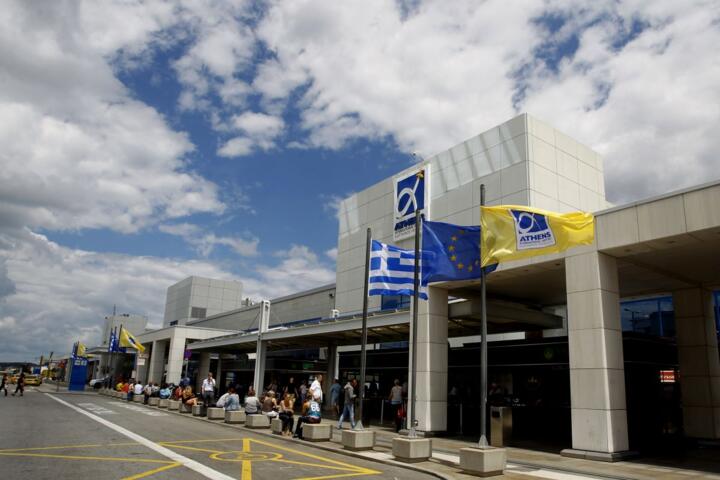
Athens Airport And EES
The Entry/Exit System (EES) records the time and date of entry and exit for travelers crossing the external borders of the Schengen Area. Athens International Airport (ATH) uses the same Schengen border-control framework as other EU external-border entry points. For non-EU travelers, EES changes the way border staff capture and verify identity data, because the system stores entry/exit events rather than relying only on passport stamps.
EES applies to third-country nationals who enter the Schengen Area for short stays under the Schengen rules, including travelers who arrive by air at Athens. The practical effect is that border control may involve additional steps such as biometric data capture and electronic checks against your travel record. If you have traveled to Schengen before, your prior entries may already exist in the system, which can change how quickly the border officer can confirm your history.
For example, a traveler arriving from London to Athens in a non-EU passport may see a process that includes identity verification and biometric capture, followed by an electronic decision. The exact sequence varies by staffing and equipment status, and sometimes the line moves slowly when a scanner or kiosk is offline. On a busy day, you may also notice that passport stamps are less consistent than before, because EES is the system of record for entry/exit events.
Common EES Pain Points
People often assume that EES works like a faster passport-stamp routine. In practice, EES depends on accurate identity data, consistent biometric capture, and correct document matching across multiple systems. If any part of the chain fails—passport number mismatch, unreadable chip, poor-quality biometric capture, or an incomplete travel record—border control can take longer.
Another frequent misunderstanding involves eligibility. EES does not apply to every traveler category in the same way, and some exemptions exist under Schengen rules. Travelers who are unsure whether they fall under EES coverage should check official guidance from the European Commission and the relevant consulate, because the airport staff will apply the legal category tied to your passport and travel purpose.
Biometrics create additional friction for some travelers. EES uses facial images and fingerprints in the border-control workflow, and fingerprints may be rejected if they are worn, injured, or captured with low quality. If you have dry skin, a recent manicure, or a minor hand injury, the capture can fail more often than you expect, and you may need a second attempt. That second attempt can happen while your queue is already moving, which feels stressful even when the process is routine.
Finally, travelers sometimes rely on screenshots of rules instead of the actual documents. EES decisions depend on the passport presented at the border, the data stored in the travel document, and the system’s ability to match your entry record. A name spelling difference between a booking and a passport can matter less than the passport data itself, but a wrong passport or an expired document can stop the process immediately.
How To Prepare For EES
Bring The Right Passport
Use the passport you plan to present at Athens border control, and confirm it meets Schengen entry requirements for validity. Check that the passport is the same one used for your travel authorization or visa application, if applicable. If you recently renewed your passport, carry the old passport only when the authorities or your visa paperwork indicates it matters; otherwise, the border officer will still base the record on the passport you present at entry.
At the airport, keep the passport accessible and avoid placing it in a bag that requires unpacking. Border-control staff often work from a fixed workflow, and delays come from searching for documents rather than from the EES system itself. If you travel with a child, have the child’s passport ready too, because EES capture requires each traveler’s identity data.
Expect Biometric Capture
Plan for a short biometric step even if you have used Schengen before. EES border control typically involves facial verification and fingerprint capture, and the system may request a re-scan if fingerprints are not readable. If you have a finger injury or visible skin changes, consider arriving earlier so you have time for a second attempt without missing your connection.
One practical aside: if you use a phone-based boarding pass, keep the screen brightness high and avoid glare. Border staff may ask you to confirm identity details while the biometric capture runs, and glare can slow the manual checks. On my last review of an EES-related workflow description (versioned guidance dated 2024-02), the recurring theme was that biometric quality and document matching drive most delays, not the concept of EES itself.
Use The Correct Entry Channel
Some airports use automated gates or e-gates for eligible travelers, while others rely on staffed booths. Athens Airport’s exact setup can change, and the presence of an e-gate does not mean every traveler category can use it. Follow the signage and staff instructions for the lane that matches your document type and travel status.
If you see multiple lanes, choose the one that matches your passport category and whether you are traveling with a visa or visa waiver status. When the wrong lane is used, you may be redirected, which adds time. This is one of those moments where “I’ll just try” can become a delay, because the system checks eligibility at the border.
Plan For Queue Variability
EES adds electronic processing steps, so queue time can vary by staffing and system performance. Build buffer time into your travel plan, especially if you have a tight connection or a hotel check-in deadline. If you arrive during peak hours, the line may move in bursts—fast when the system is responsive, slower when a capture device needs attention.
A realistic target for planning is to arrive at the airport early enough to handle a border-control delay of 30–60 minutes beyond your usual expectation. That range reflects typical variability across European border points rather than a guarantee. If you have mobility constraints, request assistance early through the airline or airport services so you do not lose time during manual processing.
Educational Case Examples
Scenario 1: A non-EU traveler arrives at ATH with a passport issued two years earlier. Their fingerprints are slightly worn due to frequent manual work. At border control, the first fingerprint scan fails, and the officer requests a second capture. The traveler completes the second attempt successfully, and the entry record is created without a passport-stamp pattern they expected from older trips.
Scenario 2: A traveler presents a renewed passport at Athens, but their visa paperwork references the previous passport number. The border officer cannot match the travel document details to the expected record quickly. The traveler is asked to provide supporting documentation from the visa application or to wait while staff verify the linkage. The delay comes from document matching, not from the traveler’s nationality.
EES Checklist For Athens
| Step | What To Do | What It Prevents | Time Impact |
|---|---|---|---|
| 1. Verify passport | Use the passport you will present at ATH; confirm validity and that it matches your authorization/visa paperwork. | Document mismatch and re-verification. | Prevents delays that can add 20–60 minutes. |
| 2. Prepare for biometrics | Have clean, dry fingers; avoid heavy hand lotions right before capture if they affect fingerprint readability. | Failed fingerprint capture and second attempts. | Reduces the chance of extra 5–15 minutes. |
| 3. Choose the right lane | Follow signage for your document category and whether you are eligible for automated gates. | Redirects to staffed booths. | Avoids stop-and-restart processing. |
| 4. Keep buffer time | Arrive early enough to absorb queue variability and possible re-capture. | Missed connections and rushed document handling. | Adds planning margin of 30–60 minutes. |
Common Mistakes At The Border
One mistake involves assuming that passport stamps will always appear. EES records entry and exit electronically, so the presence or absence of stamps varies by workflow and system behavior. Rely on your travel documents and any official receipts or confirmations rather than expecting a specific stamp pattern.
Another mistake is presenting a different passport than the one used for your authorization. If you switch passports between booking and travel, the border officer may need manual verification. That verification can take longer than the traveler expects, especially when staff must cross-check multiple references.
Travelers also sometimes crowd the biometric area. If you step back and let the capture device work, you reduce re-tries. If you wear gloves, remove them before the capture step, because fingerprints captured through gloves often fail.
Finally, people sometimes argue about rules at the booth. Border staff apply legal categories and system checks, and disputes rarely speed up processing. If something looks wrong, ask for clarification calmly and be ready to provide the supporting document your visa or authorization requires.
FAQ
Does EES Replace Passport Stamps?
EES records entry and exit events electronically. Passport stamps may still appear depending on the border workflow, but travelers should not treat stamps as the only proof of entry.
Will I Need Fingerprints At Athens?
Many non-EU travelers experience fingerprint capture as part of the EES border-control workflow. If fingerprints are unreadable, the officer may request a second attempt or alternative handling.
What If My Biometrics Fail?
If fingerprint capture fails, border staff typically try again and may switch to manual verification steps. Arriving with clean, dry fingers and allowing extra time reduces the risk of repeated attempts.
Can I Use An Old Passport For Entry?
Entry must be made with the passport you present at the border. If your authorization or visa references a different passport number, staff may need additional verification.
How Do I Know If EES Applies To Me?
EES coverage depends on your traveler category and Schengen rules for short stays. Check official guidance for your nationality and travel purpose, then match it to the passport you will use.
Author's Insight
EES shifts border control from a stamp-based record to an electronic entry/exit log tied to identity data. That design means delays usually come from data matching and biometric capture quality rather than from the concept of EES itself. Travelers can reduce friction by presenting the correct passport, preparing for biometric capture, and building time for queue variability at Athens Airport.
Because airport procedures can change with staffing and equipment status, the most reliable approach is to follow the lane instructions at ATH and keep your documents consistent with your authorization or visa paperwork. If you encounter a mismatch, ask what specific document detail needs correction so you can address it without repeated back-and-forth.
Key Takeaways
- EES records entry and exit electronically for eligible non-EU short-stay travelers arriving at Athens.
- Most delays relate to passport-data matching and biometric capture quality, not to the traveler’s general eligibility.
- Use the same passport for travel and authorization, and expect fingerprint capture as part of the border workflow.
- Arrive early to handle re-capture or manual verification if the system cannot read fingerprints or match document details.