Prague Airport Transfers
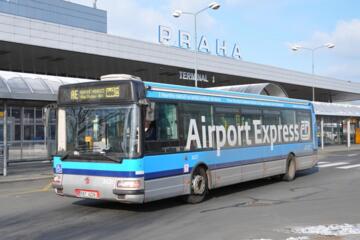
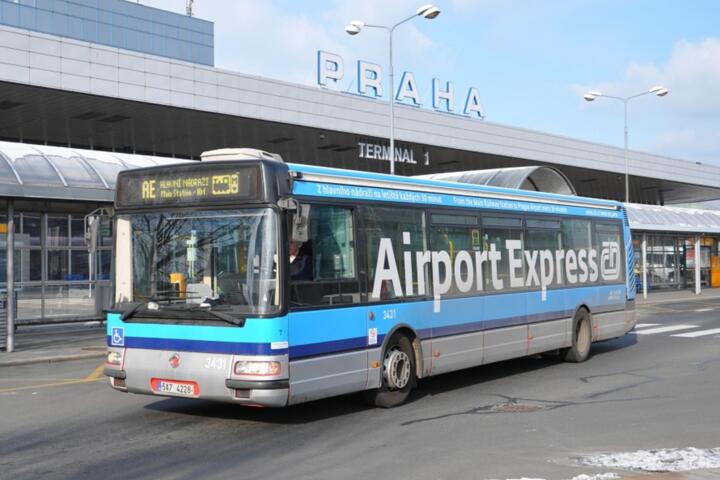
Prague Airport (PRG) sits about 10–20 km from central Prague, depending on where you end up. Ground transport choices mainly differ in route directness, stop patterns, and how often you can expect service. The bus network covers more areas with fewer “single corridor” assumptions, while the airport express is designed for faster city access to a limited set of stops. Your best option depends on where you need to go, how much luggage you carry, and how much buffer you want for traffic and waiting time. If you land late, the difference between “scheduled” and “actually leaving” becomes more noticeable, especially when you miss a connection.
Common Planning Mistakes
People often plan around a single number like “travel time” and ignore the time spent walking, buying tickets, and waiting at the stop. Another frequent issue is assuming that the airport express drops you near every hotel area; in practice, it serves specific stops, and the last mile can still be a tram or short walk. Bus routes can look slower on paper, yet they may reduce transfers when your destination is off the express corridor. Service frequency matters too: a route with fewer departures can turn a “short ride” into a long wait, which is where delays feel personal. Finally, travelers sometimes forget that luggage and peak-hour crowding change boarding speed, and boarding speed changes the real-world trip length.
These choices depend on supporting systems: ticketing rules, stop locations, and how the airport’s ground transport signage guides you. Ticket validation can be strict, and some tickets require validation at the start of the trip rather than at the end. Route maps also change over time, so a plan based on a screenshot from months ago can fail when stops or timetables shift. Even the “same” bus number can behave differently depending on the day and time, which is why checking the operator’s posted timetable matters. I’ve seen travelers arrive with a plan that matched a blog post from 2023, then discover the stop name had changed by 2024—small wording shifts, big confusion.
Bus Vs Express: How To Choose
Pick Based On Your Final Stop
Start with your destination area, not the airport. If your hotel or apartment is near a tram or metro line that connects well to the express stop, the express can reduce transfers. If your lodging sits near a bus corridor, a local bus can drop you closer with fewer steps. Use the stop names shown on your booking confirmation and compare them to the transport stop list on the official airport or operator pages. When you check routes, look at the “last mile” plan: walking distance, tram frequency, and whether you’ll cross a busy road with luggage.
As a practical aside, I often recommend travelers open a map app and simulate the route with a realistic walking speed and luggage drag time. On a rainy day, the difference between a 7-minute walk and a 15-minute walk becomes the difference between “arrived early” and “standing at the wrong stop.” If your destination is in a neighborhood with limited late-night transit, the bus network can still work, but you need to confirm the final connection timing.
Compare Waiting Time, Not Just Ride Time
Express services can feel faster because they run with fewer intermediate stops, yet the total time includes waiting. Check departure frequency around your arrival window, then add a buffer for walking from the terminal to the stop. For buses, the boarding process can vary with crowding; a bus that arrives full can delay departure by several minutes. If you arrive during a peak arrival wave, the first bus may fill quickly, and the next one becomes your actual start time.
Try a simple calculation: total time = time from gate to stop + waiting time + ride time + time to reach your final stop. Waiting time is the part most people guess. If you land at 21:30, for example, you might face a longer gap than at 14:00, and the “express is faster” conclusion can flip. I’ve watched travelers miss a departure by 2–3 minutes because they were still collecting bags, then wait long enough that the bus would have been less stressful.
Use Tickets Correctly And Early
Ticket rules in Prague depend on the transport mode and the ticket type. Many visitors buy tickets at the airport, but some choose to buy in advance online or via machines. Validate tickets according to the instructions for that specific ticket; tram and metro rules can differ from bus rules. If you use a time-based ticket, start time matters because validation time can determine whether the ticket remains valid for your ride.
Before you board, locate the validation point or onboard validator and confirm it matches your ticket type. If you’re carrying a paper ticket, keep it accessible; if you’re using a QR code or mobile ticket, confirm the app works offline or that you have signal at the stop. A small operational detail: some machines at stops can be slow, and queues form quickly when multiple flights arrive. On my last planning check (tool: Google Maps route layer, version noted in 2024), I saw that the “buy at machine” option can add 5–10 minutes during busy periods.
Plan For Luggage And Accessibility
Both buses and express services can handle luggage, but boarding conditions differ. Buses often have more frequent stops and can be crowded, which affects how easily you can board with a large suitcase. Express services may have fewer stops, which can reduce time spent maneuvering, yet the boarding area can still be tight if many passengers arrive at once. If you have mobility needs, check whether the vehicle type used on that route is low-floor and whether the stop has step-free access.
Also consider where you’ll store luggage during transfers. If you plan to switch to tram or metro, confirm whether your ticket covers the transfer and whether the transfer station is practical with your luggage size. If you’re traveling with a stroller, the bus can be workable, but you’ll want to avoid peak crowding and choose a departure with more room. A mild frustration many travelers report is “the bus arrived, but the doors didn’t open the way I expected,” usually due to crowding and door timing rather than a service failure.
Educational Case Examples
Scenario 1: Hotel Near Metro
A traveler lands at 18:10 with two suitcases and stays near a metro station that connects well to the express stop. They check the express timetable for the next departure and find a short wait, then plan a short tram or metro ride from the express drop-off. They choose the express because it reduces transfers and keeps the last-mile walk under 10 minutes. The traveler also buys a time-based ticket at the airport and validates it immediately after boarding, avoiding a late validation that could shorten validity.
In this scenario, the express wins because the destination aligns with the express corridor and the waiting time stays low. If the traveler had landed during a period with longer gaps, the bus could have matched the total time with fewer “tight connection” risks.
Scenario 2: Apartment Off The Main Corridor
Another traveler arrives at 22:30 and stays in a residential area where the express stop requires an additional transfer. They check bus routes and find a direct bus that reaches a nearby stop with a short walk. The bus ride takes longer, yet the plan avoids a transfer that might run less frequently late at night. They choose the bus because the total time includes fewer “what if the connection is missed” moments.
Here, the bus is the better decision because the destination placement reduces the need for a second mode. The traveler still checks the final bus departure time to avoid being stranded after the last connection.
Decision Checklist For Travelers
| Factor | Bus | Airport Express | What To Do |
|---|---|---|---|
| Stops and last mile | More route coverage; may reduce transfers | Fewer stops; drops at specific points | Compare stop names to your lodging address |
| Waiting time | Can be frequent, but varies by time | Often timed for airport arrivals | Check departures for your arrival hour |
| Boarding with luggage | Crowding can slow boarding | Fewer stops, but may still be full | Arrive at the stop early; keep tickets ready |
| Ticket validation | Rules depend on ticket type | Rules depend on express ticketing | Validate immediately and follow the instructions |
| Delay sensitivity | Missed connections can still happen | Tighter if you rely on a specific drop-off | Add buffer for walking and transfer time |
- Write down your lodging stop name and nearby metro/tram line.
- Check the next 2–3 departures for your arrival time, not just the fastest one.
- Estimate walking time from the stop to your lodging with luggage.
- Confirm ticket type and validation steps before boarding.
- Plan a fallback: if you miss the first departure, know the next one.
Common Mistakes To Avoid
Buying a ticket without checking validation rules can shorten your ride window and force a last-minute purchase. Another common mistake is choosing based on “directness” while ignoring that the express drop-off might still require a tram or metro transfer. Travelers also underestimate how long it takes to reach the correct stop after exiting the terminal; signage can be clear, yet crowds slow movement. A further issue is relying on outdated route information from older posts, especially when stop names or timetable patterns change.
People sometimes assume that the bus and express share the same ticketing system. In practice, ticket types and validation steps can differ, and a ticket that works for one mode may not match another. If you’re traveling with a group, splitting up to buy tickets can create a timing gap that turns into a missed departure. I’ve seen this happen when one person waits at a machine while the others board, then the group ends up separated for the first leg.
FAQ
How long does the bus take?
Bus travel time varies by route and traffic, so the best estimate comes from the posted timetable plus a buffer for boarding and stop-to-lodging walking.
Where does the airport express stop?
The express serves specific city stops rather than every neighborhood, so you should match the stop name to your lodging and plan the last mile.
Do I need to validate tickets?
Most Prague public transport tickets require validation at the start of the trip; follow the instructions for your exact ticket type and mode.
Can I travel with large luggage?
Both options can handle suitcases, but crowding affects boarding speed; arrive early at the stop and keep tickets ready to reduce delays.
What if I miss my departure?
Check the next departures for your chosen route and plan a fallback connection, since waiting time can change by time of day.
Author's Insight
Prague airport ground transport planning works best when you treat it as a timing problem, not a route trivia problem. Ride time differences between bus and express often shrink once you include walking, waiting, and ticket validation. The most reliable approach is to compare the next departures for your arrival hour and map the last mile from the stop to your lodging. If you travel with luggage or mobility needs, boarding conditions and stop accessibility matter as much as the published timetable. For the most accurate details, check the latest operator or airport pages close to your travel date, since stop names and schedules can change.
Key Takeaways
- Choose based on your lodging stop and last-mile plan, not only on the fastest published ride time.
- Waiting time and boarding conditions often decide whether bus or express feels better.
- Validate tickets correctly and keep them accessible to avoid losing validity.
- Use a fallback plan for missed departures, especially during late arrivals.