Why Europe for First Timers?
Europe is compact yet diverse, offering a breadth of experiences packed into relatively short distances. For a newcomer, this means multiple cultures, languages, and cuisines accessible within a single trip—if navigation challenges are minimized. Over 600 million tourists visited Europe in 2019, signaling its global appeal. First-timers often aim to balance famous landmarks with authentic, manageable trips; this balance hinges on country choice and trip planning.
Take Italy's Florence for example. It offers archaeological sites and modern art within walkable quarters, while Austria excels in clean transport systems. The continent houses countries that ease newcomers into travel dynamics, like language, transportation, and safety.
Europe’s varied climates, from Mediterranean warmth to Northern chill, provide a palette adaptable to most traveler preferences, an angle often overlooked.
Pitfalls First-Timers Face
New travelers often underestimate local transport complexity, causing delays or missed opportunities. In Eastern Europe, for instance, ticket machines for trams may lack English options—a detail that throws many off-track. Misjudging language barriers also leads to missed cultural engagement or dependence on pricey tours.
Ignoring cost differences can spoil experiences. Scandinavia offers pristine landscapes but is costly, while Portugal gives charm on a budget. Choosing the wrong country sets a tone for the entire trip: frustration instead of immersion.
Overloading itineraries often follows these mistakes, turning vacations into exhausting marathons. One must avoid the trap of cramming multiple capitals into a few days—time in transit often exceeds time explored.
Countries Eased for Beginners
Portugal’s accessible charm
Portugal stands out due to its approachable size and affordable living costs. Lisbon and Porto feature compact historic centers that are easy on first-timers’ feet. Public transport is modern with clear routes and apps like Comboios de Portugal covering trains nationwide. Expect prices around 35% below European averages on lodging and food; perfect for budgets without sacrificing quality.
Netherlands’ cycling and trains
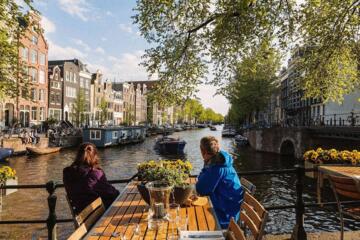
The Netherlands blends excellent English proficiency and an iconic cycling culture, which simplifies mobility. Its railway system connects every major city in under three hours, leveraging NS trains whose reliability scores 90% on-time arrivals. Tourist cards offer unlimited public transport; perfect for newcomers wary of renting cars.
Austria’s safety and structure
Austria scores near the top for travel safety and public services. Vienna is known for its punctual trams and metro lines, supported by one of Europe’s best mobile apps for schedules: WienMobil. Travelers report feeling secure in neighborhoods even late at night. Cultural venues offer discounted day passes encouraging in-depth exploration.
Spain’s friendly vibe and diversity
Spain attracts for its vibrant city life and regional variety. Tourist hubs like Barcelona and Madrid combine walkable historic districts with extensive metro systems. First-time travelers benefit from language immersion opportunities coupled with accessible menus and signage. Local SIM cards cost around €15, enabling map and translation tools on the go.
Czech Republic’s affordability and compactness
Prague remains a magnet for newcomers due to low costs and narrow, well-marked streets full of landmarks. The metro runs every 2-3 minutes during peak hours. Personalized guided tours with local operators average €20-40 and often include small-group options—making introduction less intimidating.
Denmark’s bike-friendly lifestyle
Copenhagen is famous for embracing bicycles as primary transport, via clearly signed bike lanes and rental schemes like Bycyklen. English prevalence simplifies day-to-day communication. Though pricier than Portugal or Czechia, efficient services and polite locals compensate, reflected in traveler surveys showing 87% satisfaction figures.
France’s iconic sites plus local ease
Paris offers iconic landmarks, but travelers often overlook its excellent regional train network—RER lines connect airports and suburbs efficiently. Apps like Citymapper handle Franco-specific quirks well. Outside Paris, regions like Normandy are less overwhelming yet culturally rich.
Slovenia’s natural beauty and ease
Slovenia combines affordable prices with stunning landscapes, making it beginner-friendly. Ljubljana is compact, with reliable buses linking to outdoor excursions like Lake Bled. Tourist information centers provide multifaceted help in several languages, smoothing arrivals and transfers.
Traveler Stories
One couple from Canada faced transport chaos in Italy’s chaotic Naples. Switching plans, they used Portugal’s Lisbon, relying on city transport cards and walking. Their costs dropped 30%, and stress levels with it. They toured historical sites over 5 days without renting a car.
A solo traveler from Japan found Dutch public transit and English ease helped compensate for jet lag. Using bike rentals plus the NS app, she covered Amsterdam to Rotterdam comfortably, logging 120 km on pedals. Her confidence soared.
Choosing Wisely Checklist
| Country | Cost Level | Language Ease | Transport |
|---|---|---|---|
| Portugal | Low | Moderate | Simple |
| Netherlands | Medium | High | Excellent |
| Austria | Medium | High | Excellent |
| Spain | Low-Med | Moderate | Good |
| Czechia | Low | Moderate | Good |
| Denmark | High | High | Excellent |
| France | Medium | High | Excellent |
| Slovenia | Low-Med | Moderate | Good |
Overlooked Trip Errors
Booking flights to multiple cities in one trip might sound adventurous, but often exhausts travelers mentally and physically. Splitting travel days from sightseeing leads to less engagement with each place visited.
Ignoring travel insurance is another frequent mistake. It can seem an unnecessary expense but pays off when health emergencies or delays occur, which happened to me in Budapest in 2018.
Attempting to speak local languages without proper basics also backfires. A few key phrases work better than attempting full conversations, which often stilt or confuse interactions.
FAQ
Which country is safest for new travelers?
Austria and Denmark rank high for safety and infrastructure ease. They have low crime rates and reliable public transport, making them less stressful for newcomers.
How to manage language barriers?
Most urban centers in Europe have excellent English proficiency. Downloading translation apps like Google Translate or Duolingo before arrival helps, plus carrying a basic phrasebook.
What is the cheapest country to start in?
Portugal and Czech Republic offer lower overall costs for lodging, dining, and transport, enabling longer stays for a modest budget.
Are public transports user-friendly?
Yes, in countries like the Netherlands, Spain, and Austria, public systems use apps for ticket purchase and trip planning, often offering multi-day passes.
Can I travel without a car?
Absolutely. Europe’s train networks cover most tourist destinations, and many cities are highly walkable or bike-friendly, especially for novices.
Author's Insight
I began my Europe trips daunted by language and transport. Early mistakes with overpacked itineraries taught me choosing just two countries per trip eases fatigue significantly. Apps like Citymapper and NS have become indispensable. First-time travelers should focus on comfort over quantity. Don’t rush; savor the experience and expect challenges, not perfection.
Key Points
Europe offers varied options for first-time travelers aiming to avoid common frustrations. Pick countries with accessible transport, reasonable costs, and language ease, like Portugal, Netherlands, and Austria. Use local apps and public transit passes. Keep itineraries manageable—one city per 2-3 days works well for beginners. With care, your first trip can set a strong foundation for more adventures.