English-Friendly Spots
Many countries attract beginners aiming to improve English, but not all offer equal opportunities. Some places feature English as an official language or widely spoken among locals and expatriates. In 2023, over 1.5 billion people were learning or using English worldwide, but language barriers still block many. For example, the Philippines provides a unique mix: English as an official language and nearly 80% of residents fluent, aiding newcomers to communicate easily in daily life.
Finding a place with public services, signage, and entertainment in English makes life easier. Countries that encourage English learning in schools help tourists and residents sync up with the culture faster. Years of practical experience show that immersion relies not just on availability of English itself but also on community attitudes toward learners.
Problems Learners Face
Beginners often choose countries without checking local English proficiency, leading to roadblocks like misunderstanding public transport, healthcare, or legal terms. This mistake results in added stress and slow progress in language acquisition.
People underestimate how dialects or slang limit comprehension. For instance, someone moving to UK cities might struggle with accents such as Cockney or Geordie—it’s not the textbook English taught in classes. Poor language infrastructure interrupts access to essential information, causing missed deadlines or social isolation.
Some feel deterred when local language dominates business and media, forcing them to revert to their native tongue instead of practicing English daily. Others find cultural norms clash with their expectations for English friendliness, causing frustration in social situations.
Best Steps to Take
Pick Countries With Official English
Countries where English serves as an official language work best. They label streets, forms, and government websites in English, so beginners won’t guess meanings. Jamaica and Singapore rank highly because nearly all public announcements and schools conduct sessions in English. Singapore reports over 70% of its public schooling in English medium, which makes official documents and daily communication accessible.
Target Tourist-Friendly Cities
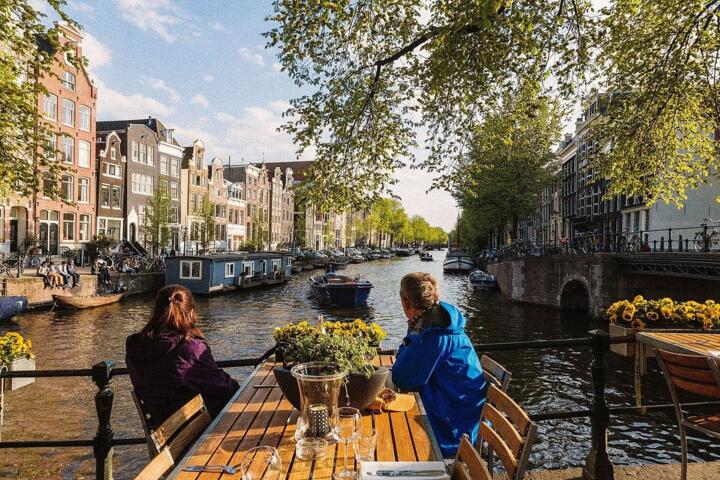
Cities like Amsterdam or Dubai excel with English-speaking staff and expat hubs, even if English isn’t the native tongue. These urban areas include language centers, meetup groups, and digital apps promoting interaction. In fact, Amsterdam hosts about 60,000 English speakers daily, enhancing informal English practice beyond classes.
Use Language Buddy Systems
Some communities offer language buddy programs to connect learners with fluent English speakers. This personal pairing accelerates skills through conversation and error correction, unlike solo apps alone. The British Council runs such groups in over 30 countries with measurable improvements in learner confidence within three months.
Leverage Online Language Services
Platforms like iTalki or Preply provide native tutors on-demand, blending well with local immersion. Using them alongside living in English-friendly countries yields quick fluency, combining professional guidance and everyday practice. Around 40% of learners report feeling socially fluent after three months with online plus real-world exposure.
Choose Universities With English Programs
Many international universities, especially in Malaysia or the Netherlands, run full English curricula and support services. These environments encourage learners to use English in studies, clubs, and housing. For instance, the University of Malaya offers extensive English-language support, attracting over 13,000 international students annually.
Join Local English Clubs
Meetup groups or Toastmasters clubs focusing on English speaking help reduce anxiety and build vocabulary. They create real social settings for beginners to test skills without judgment. Cities like Barcelona boast over 75 active English discussion clubs, with frequent events logged on Eventbrite.
Look for Multilingual Workplaces
Places like Dublin’s tech sector prioritize English but accommodate other languages, offering on-the-job practice and social integration. Google’s Dublin office employs over 10,000 people from 120 countries, where English remains the key workplace language, helping beginners adapt quickly.
Choose Countries With English Media
Settling where English TV, radio, and newspapers dominate aids passive learning after work hours. South Africa has a robust English media scene, with more than 80% of TV channels broadcasting in English, sharpening listening skills continuously.
Find Expats for Real Conversations
Expats form informal networks supporting newcomers' language growth. Cities with large expat populations, like Vancouver, make it easy to find community events, meet-ups, or casual language exchanges. Vancouver's expat community counts over 250,000 English-speaking newcomers every year.
Success Stories
An IT professional from Brazil moved to Ireland in 2021, struggling with English despite classes back home. Choosing Dublin, he immediately joined a language buddy group and local tech meetups. Within six months, his practical skills increased by 40%, confirmed by improved client calls and office presentations, boosting his career.
A student from China enrolled at the University of Groningen in the Netherlands. The university’s complete English curriculum, combined with active participation in student English clubs, raised her TOEFL score from 70 to 100 in one semester. She credits the mixed environment—official English use plus peer interaction—for the rapid improvement.
Quick Comparison
| Country | English Status | English Media | Expats (Est.) |
|---|---|---|---|
| Philippines | Official | High | 1.3M |
| Netherlands | Widely spoken | Moderate | 1.1M |
| South Africa | Official | High | 600k |
| Singapore | Official | Very High | 900k |
| Netherlands | Widely spoken | Moderate | 1.1M |
Avoid These Errors
Never assume all locals speak perfect English; some areas have strong local dialects dumping learners into confusion. For example, moving to rural Ireland expecting easy English might backfire due to Gaeltacht influences.
Avoid skipping cultural research. Many communicate differently socially than textbooks teach, so misunderstandings rise even after learning grammar and vocabulary. Joining local forums helps.
Don’t rely exclusively on classroom English or apps that lack live practice. This limits exposure to real-world accents, conversational speed, and slang.
FAQ
Which country has the easiest English to learn?
Singapore ranks high due to official English use combined with strong education programs and public services fully in English.
Are there affordable countries with good English support?
Yes, the Philippines and Malaysia offer cost-effective living with widespread English usage and quality language programs.
Can expats improve English quickly abroad?
Immersion in a supportive English environment can boost practical skills by 30-50% within six months when paired with active practice.
Is local accent a big barrier?
It depends; accents in the UK or South Africa can challenge beginners more than places like Singapore where English is standardized.
Should I attend language schools or self-study?
A blend works best; schools offer structure, while real interactions speed up comprehension and conversation fluency.
Author's Insight
I have spent years advising beginners on relocating to English-speaking environments. The best results come from a country with official English paired with vibrant social opportunities. Personally, I saw learners struggling in low-English areas but thrive once placed in better hubs. It’s a mix of environment, resources, and daily practice that changes everything.
Final Thoughts
Choose countries with visible, official English use and thriving expat communities. Combine this with active social and professional engagement to build confidence fast. Avoid isolated spots with weak language infrastructure. The right place accelerates fluency, turning beginners into confident English users with relative ease.