Visiting off the Beaten Path
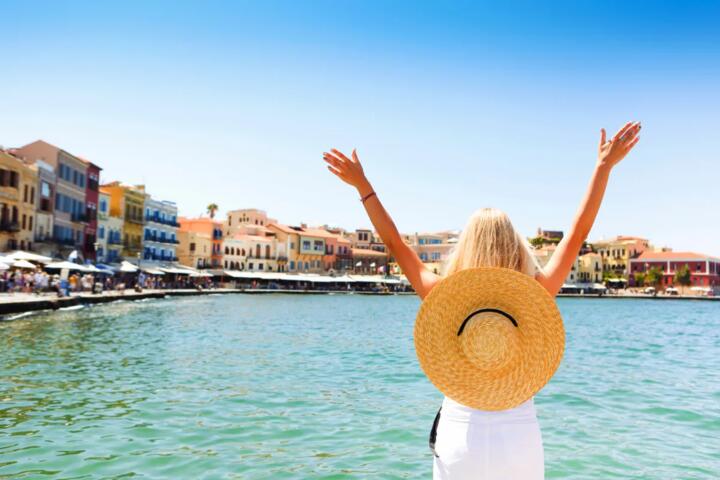
Greece's appeal lies in its combination of ancient history, turquoise waters, and vibrant culture. Over 30 million tourists arrive yearly, peaking in July and August. Those months cram major sites like the Acropolis and Santorini’s caldera with visitors. Yet, many miss that shoulder seasons can offer a quieter, richer experience with fewer tour groups.
Late spring and early autumn can be ideal. I visited Crete in mid-May in 2022 and found tavernas nearly empty, with comfortably warm waters—about 20°C—and pleasant hiking conditions. The famous beaches were accessible without a fight on parking or sunbeds. A clear example: traffic at Santorini's main port drops by over 60% between mid-September and early October.
Bright sun, cool breezes, and surprisingly uncrowded archaeological sites define those months. This is not low season with closed restaurants or empty hotels. It’s the sweet spot for travelers who don’t want to rush or jostle.
Common Visitor Challenges
Many assume summer equals the only option to swim and explore. Crowds overwhelm public transport and inflate prices—hotel rates on Mykonos spike 150% in July versus April. Lines at major ruins swell, causing wasted hours. The taxi waits grow longer; the best photo spots overcrowded.
People often overlook how heat can complicate sightseeing, especially near midday. August temperatures regularly break 35°C in Athens. Exhaustion sets in fast. Crowds also dampen interaction with locals, who tend to retreat or hustle tourists quickly.
Ignoring seasonal nuances can turn a dream trip into a frustrating logistical puzzle. Quiet experiences vanish, replaced by noise, queues, and a constant battle for space. Knowing when to visit directly impacts the trip quality.
Tips for Low-Crowd Visits
Choose shoulder seasons by region
May to early June and mid-September to October work best. Islands like Naxos and Paros quiet down by late September, whereas Santorini's crowds thin only after early October. Athens and Thessaloniki offer mild weather in April and November, and fewer tourists at landmarks.
Book accommodations in advance
Even off-season, popular spots sell quickly. Booking lodgings via platforms like Airbnb or Booking.com around 3 months ahead secures the best deals and avoids last-minute price spikes. Hotels often drop rates 20–30% compared to peak months.
Consider weekdays over weekends
Local weekend markets and festivals attract crowds even in quieter months. Planning urban visits on weekdays reduces congestion, especially at museums and sites. For example, the Archaeological Museum of Heraklion feels notably calmer Tuesday through Thursday.
Use local transport options
Public buses in regions like Crete and the Peloponnese run more frequently off-peak and cost 50% less than tourist transfers. Renting a scooter on islands like Rhodes offers both mobility and crowd avoidance by hitting less touristed beaches early morning.
Explore lesser-known spots
Beyond Santorini and Mykonos, spots like Serifos, Amorgos, and Ikaria deliver serenity. They receive under 10% of the tourist flow of hotspots. Exploring these requires more planning but pays off in solitude and genuine cultural encounters.
Follow local event calendars
Festivals in Crete or Corfu can spike numbers temporarily. Checking online municipal or tourism websites helps in avoiding unexpected surges in visitors. Alternatively, attending small local events can offer authentic cultural immersion without massive crowds.
Time activities strategically
Early mornings and late afternoons see fewer visitors. Arriving at sites before 9 AM or after 5 PM often means skipping lines and better temperatures. In Rhodes, the medieval Old Town is almost deserted just after sunset, perfect for photographs and walks.
Check weather trends annually
Yearly variations affect crowd patterns. Tools like Windy.com or AccuWeather’s pro version provide temperature and wind data helpful for adjusting travel dates with real-time specifics—like the sudden June heatwave last year in Athens.
Plan for water temperatures
Sea temps lag behind air, reaching 22–24°C only by late May and again cooling after mid-October. For beach lovers, this is critical. Wearing a light wetsuit at those edges extends swimability without waiting for mid-summer water heating.
Mini Case Studies
A boutique tour operator in Athens observed a 40% drop in customer cancellations after shifting city tours from July-August to late April and early October in 2023. Client satisfaction scores rose by 25% due to reduced heat and crowds.
Meanwhile, a family renting a villa in Naxos in early May reported finding nearly empty beaches every day, with stress-free restaurant reservations and a local butcher who, unhurried, gave cooking tips. They extended their stay two extra days, citing the calm as a key reason.
Timing Checklist
| Month | Crowd Level | Water Temp (°C) | Typical Air Temp (°C) |
|---|---|---|---|
| April | Low to Moderate | 16–18 | 15–20 |
| May | Moderate | 19–22 | 20–26 |
| June | Increasing | 23–25 | 25–30 |
| September | Moderate | 24–26 | 24–29 |
| October | Low to Moderate | 21–23 | 20–25 |
Frequent Errors to Skip
Booking peak summer dates will always mean crowds, no surprise there. Besides, ignoring traffic and accommodation spikes complicates logistics. One common mistake is failing to research regional climate differences—northern Greece stays cooler longer, yet southern islands heat quickly.
Overpacking your itinerary without time for spontaneous detours leads to exhaustion. Also, expecting all tourist services to operate off-season triggers frustration. Many smaller ferries reduce trips; double-check timetables on Blue Star Ferries or SeaJets websites.
Another trap: choosing popular spots without exploring quieter alternatives. For example, skipping Santorini for less-known Ios or Folegandros can transform the vibe. Lastly, resist the urge to cram all mainland highlights into a tight schedule. Focus delivers better experiences.
FAQ
When is Greece least crowded?
Late April to early June and mid-September to mid-October see the fewest tour groups. Tourist hotspots experience significant drop-offs during these periods.
Is the sea warm enough outside summer?
Sea temperatures reach comfortable levels around late May and remain warm through mid-October, ranging from 21°C to 26°C, sufficient for most swimmers.
Can I visit all islands year-round?
Most islands have reduced ferry services from November to March. Planning around official ferry providers' schedules is necessary for off-season visits.
Are hotels open in shoulder months?
Many hotels and restaurants operate from April to October. Some smaller businesses close in winter, so checking availability before booking helps.
How does weather affect sightseeing?
Cooler temperatures in spring and autumn improve comfort and reduce heat-related fatigue, making outdoor activities and historical site visits more pleasant.
Author's Insight
After numerous trips across Greek islands and mainland, I favor May and October for quietness and mild weather. The places come alive without the crush of tourists, and staff at smaller hotels actually have time to talk, not rush. Carrying a travel app like Rome2rio helped me catch ferries and buses when schedules changed last minute, which, frankly, most guides skip. I always check water temps before packing, or end up with unusable swimsuits.
Final Thoughts
Pick late spring or autumn to dodge Greece’s crowds, balancing weather, water temperatures, and local events. Avoiding July and August avoids heat, inflated costs, and congestion. Smaller islands and weekdays smooth your trip further. Book early, plan transport carefully, and adjust with real-time weather checks. Your chance for tranquility and deeper cultural exchanges grows exponentially.