Cherry Blossom Timing By City
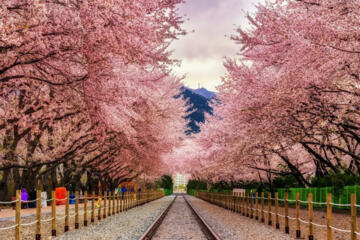
Cherry blossom season in South Korea follows a north-to-south and elevation-driven pattern, so bloom timing varies by city and even by neighborhood. In practice, travelers plan around “first bloom” and “peak bloom” windows, then adjust for rain, wind, and temperature swings that can compress or stretch the season by days. For example, Seoul often reaches peak later than Busan, while Jeju typically starts earlier due to its maritime climate. Inland areas can lag behind coastal cities when cold snaps hold back bud development.
Most visitors use a mix of official bloom updates and local observations. Official sources publish dates for “first bloom” and “full bloom” based on monitored trees, but those dates reflect specific sites rather than every park. A park can lag if it sits in a cooler pocket, and a hilltop can bloom earlier than a sheltered valley. If you travel with a fixed itinerary, you’ll get better results by planning two viewing days in each city, spaced 2–4 days apart, rather than betting on a single date.
What People Get Wrong
Many itineraries fail because they treat bloom forecasts as guarantees. Bloom timing depends on accumulated warmth, and a brief cold period after buds swell can delay flowering even when earlier forecasts looked optimistic. Rain matters too: wet weather can reduce visibility of petals and shorten the time blossoms remain photo-ready on the ground.
Another common mistake is assuming one city equals one bloom date. Seoul’s parks and river corridors can show different timing, and the same is true in Busan where coastal winds and microclimates shift flowering. Travelers also over-weight “peak bloom” language without checking whether a forecast refers to first bloom, full bloom, or a specific monitoring location.
Supporting factors include local weather stations, the timing of bud development, and how monitoring is conducted. Forecasts often rely on historical averages plus current temperature trends, then update as new observations arrive. When you see a forecast change, it usually reflects updated temperature data and revised estimates of when buds reach the flowering stage, not a sudden change in the trees themselves.
How To Plan Your Dates
Use Official Updates, Then Build Buffer
Start with official bloom updates for South Korea’s monitored sites, then add a buffer. If your target is “peak bloom,” schedule one day near the forecast peak and a second day 2–4 days later. This approach reduces the risk of missing peak due to a late cold spell or a fast warm-up that pushes blossoms through quickly.
When you check updates, note the category and the location. A “first bloom” date can be several days earlier than “full bloom,” and the gap varies by year. On my own planning spreadsheets (I keep a simple sheet with columns for “first bloom,” “full bloom,” and “backup day”), I label each city with the forecast type so I don’t accidentally plan around the wrong metric. In 2025, for instance, many travelers who tracked only one date found their viewing window shifted after additional updates.
Match Neighborhoods To Microclimates
Choose viewing areas that match the city’s typical bloom pattern. Coastal cities like Busan often show earlier flowering in exposed areas, while sheltered parks can lag. In Seoul, river corridors and large urban parks can differ by a day or two depending on shade, wind exposure, and nearby terrain.
Use a map-based approach: pick two clusters within the same city, one closer to major waterways and one in a larger park. If you arrive early, walk the first cluster in the afternoon and compare with the second cluster the next morning. That small adjustment helps you avoid the “arrive on the wrong side of the wave” problem, which, frankly, most people skip.
Plan Around Weather, Not Just Dates
Cherry blossoms respond to temperature and precipitation, so check the forecast for wind and rain during your viewing window. A windy day can scatter petals quickly, and heavy rain can make blossoms look less vivid even if the trees are still in bloom. If rain is likely, shift your viewing to early morning and choose areas with better shelter or wider sidewalks for comfortable walking.
For practical planning, treat your viewing window like a weather-dependent event. A 24–48 hour change in temperature can move the “best look” time, even when the official bloom date stays the same. If you track weather, a tool like the free Open-Meteo interface (versioned forecasts vary by provider) can help you compare hourly temperature trends across your two planned days.
Use Transit Timing To Reduce Stress
Bloom crowds concentrate along popular routes, so travel time can expand on peak days. Build in extra time for trains and buses, and consider visiting early in the morning or late afternoon to reduce congestion. If you plan to move between neighborhoods, choose routes that minimize transfers.
In Seoul, for example, a short walk between two viewing areas can be faster than a bus ride during peak crowd hours. In Busan, coastal promenades can be crowded near sunset, so an earlier start can keep your schedule intact. You save time, reduce noise, and the inbox stops winning—because you’ll spend less time re-checking routes mid-day.
City Scenarios You Can Copy
Scenario 1: Seoul, fixed travel dates. A traveler arrives in Seoul on the day the city’s monitored sites show “full bloom.” They schedule one viewing walk along a major park corridor that afternoon, then plan a second visit to a different park 3 days later. When rain hits the first day, the second visit still lands within a workable window because blossoms remain visible for several days, even if peak has passed.
Scenario 2: Busan and Jeju, flexible within a week. Another traveler starts in Busan, then considers a Jeju side trip. They check official updates twice a week and watch for a forecast shift toward earlier or later bloom. If Busan looks like it will peak sooner than expected, they keep Jeju dates later; if Busan lags, they move Jeju earlier. This avoids the common problem of arriving everywhere at the same “calendar peak” rather than the local peak.
Timing Checklist And Table
| City | Typical Pattern | Planning Window | What To Watch |
|---|---|---|---|
| Seoul | Later than coastal areas; varies by park and river corridor | Plan 2 viewing days around full bloom | Rain and wind during your window; neighborhood microclimates |
| Busan | Earlier than inland; coastal exposure can shift timing | Plan 2 viewing days; one near sunset if weather is calm | Wind along promenades; crowd density near popular routes |
| Jeju | Often earlier due to maritime climate | Plan 2 viewing days; keep a backup if forecasts shift | Hourly temperature swings; rain that reduces petal visibility |
| Inland Areas | Can lag due to colder nights and elevation effects | Plan a longer window; expect later peak than Seoul | Cold snaps after bud swelling; slower warm-up periods |
Step-by-step checklist for your itinerary:
- Pick your cities, then choose two viewing areas per city that are 15–60 minutes apart by transit or on foot.
- Track official bloom updates for each city and record whether the update refers to first bloom or full bloom.
- Schedule one viewing day near the forecast peak and a backup day 2–4 days later.
- Check the hourly weather forecast for wind and rain during both days, then adjust your walking route accordingly.
- On arrival, compare the two viewing areas the next morning and shift your “main” plan if one cluster is ahead.
Common Mistakes To Avoid
Booking nonrefundable tours for a single “peak day” often creates avoidable stress. Blossom timing can shift with short-term weather, and the official date reflects monitored trees rather than every street. A flexible plan with a backup day costs less than changing travel arrangements later.
Another mistake is ignoring crowd patterns. Popular viewing corridors can become slow-moving during peak hours, which can turn a short walk into a long delay. If your schedule depends on trains or connections, plan blossom walks early or late and keep transit buffers.
People also over-rely on photos from previous years. A picture can show a beautiful stage of bloom, but it cannot tell you whether that stage matches your travel week. Use photos only to identify where blossoms are typically planted, then rely on current updates for timing.
FAQ
When Do Blossoms Peak In Seoul?
Seoul’s peak bloom usually arrives after coastal cities, but the exact week changes by year. Use the city’s monitored bloom updates and plan two days around the full-bloom estimate.
Is Busan Earlier Than Seoul?
Busan typically reaches bloom earlier than Seoul because of its coastal climate. Local exposure and wind can still shift the best viewing time by a day or two.
How Reliable Are Bloom Forecasts?
Forecasts are useful for planning windows, not guarantees. Short cold snaps or warm spells after bud development can move the timing, so a backup day improves outcomes.
What Weather Changes Affect Petals?
Rain and strong wind can shorten the period when blossoms look fresh and fully displayed. Temperature swings can also accelerate or delay flowering over 24–72 hours.
Where Should I Go If I Miss Peak?
Choose a second viewing area within the same city and schedule it 2–4 days later. Many parks still show partial bloom after peak, and different neighborhoods can be at slightly different stages.
Author's Insight
Cherry blossom timing in South Korea follows measurable drivers: accumulated warmth, local microclimates, and short-term weather that changes how quickly buds open. Official bloom updates help because they track specific monitored trees, but those dates do not map perfectly onto every park and street. A practical itinerary treats bloom as a window rather than a single day, then uses weather checks and neighborhood comparisons to adjust on the ground. If you plan with two viewing days per city and keep transit buffers, your schedule stays resilient even when forecasts shift.
Key Takeaways
- Bloom timing varies by city and by neighborhood due to climate and terrain differences.
- Use official “first bloom” and “full bloom” updates, then schedule a backup day 2–4 days later.
- Weather (rain and wind) can change how blossoms look even when trees are still in bloom.
- Plan blossom walks around crowd patterns and transit time to avoid schedule slips.