When to Visit Japan
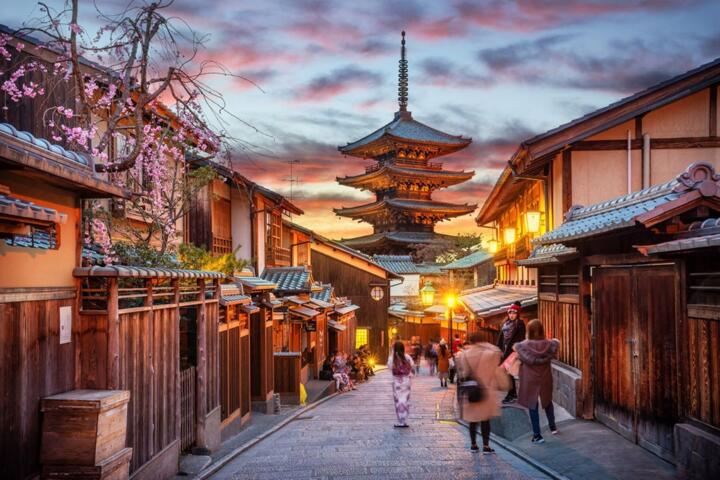
Japan’s appeal shifts profoundly through the calendar. Spring offers more than cherry blossoms. By April, you can witness vibrant festivals, and cities like Kyoto burst with colors. Fall’s crisp air brings fiery maples by November, while summer holds fireworks and mountain hikes. Yearly, Japan sees roughly 30 million tourists, mostly in spring and autumn. Travel lightly – choosing the right month transforms your whole trip.
Weather textures vary too: the rainy season starts around early June; winter brings Hokkaido’s snow but Tokyo’s mild chill. You decide the right flavor.
Common Planning Issues
People underestimate Japan’s seasonal crowds. The cherry blossom time attracts huge throngs, especially near Tokyo and Osaka. Hotels skyrocket prices 50–100% above average during peak weeks. Many travelers don’t fact-check dates and end up frustrated when blossoms come too early or late compared to their itinerary. Summer often gets dismissed but hides the intense rainy season and oppressive humidity from June through mid-July, unpleasant for sightseeing.
Failing to avoid public holidays, like Golden Week (late April to early May), leads to jam-packed trains and expensive fares. Also, winter’s northern regions might surprise visitors with snowstorms, disrupting schedules unexpectedly.
Best Timing Choices
Cherry Blossom Season
Mid-March to early April is the iconic sakura bloom period, deeply ingrained in Japanese culture. Tracking the Japan Meteorological Agency’s bloom forecasts helps time visits accurately. Crowds surge but the spectacle justifies it. Booking accommodations three months ahead beats price hikes. Hanami (flower viewing) parties in parks create a festive atmosphere unmatched elsewhere.
Autumn Colors
Late October to early December offers crisp air and vibrant foliage landscapes across places like Kyoto and Nikko. Fewer tourists crowd temples despite stunning views. Temperature averages range 10-15°C, perfect for outdoor strolls. Fall leaf season can be tracked using resources like Japan Guide’s momiji reports to plan precise travel days.
Winter Sports and Snow Festivals
For snow lovers, Hokkaido boasts over 200 cm of powder monthly from December to February. The Sapporo Snow Festival attracts over 2 million visitors, offering giant snow sculptures and lively street food. Ski resorts such as Niseko have English-friendly services, though lodging must be booked well in advance. Winter also suits hot spring lovers seeking seasonal contrast.
Summer Festivals and Mountains
Despite challenging humidity and the rain season, late July to August holds outstanding festivals like Gion Matsuri in Kyoto and grand fireworks displays nationwide. Mountain climbing is safe and popular in this timeframe, with clear hiking trails, particularly around the Japanese Alps. Travelers should prepare for temperatures hitting 30°C or above.
Avoiding Rainy Season
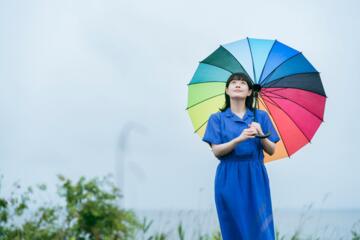
June through mid-July marks Japan’s rainy season, which sees daily rainfall averaging 7-8 days per month. That dampens outdoor plans and increases discomfort if you stay in urban areas. Some southern regions like Okinawa start the season slightly earlier. Travelers who face harsh conditions tend to drop visits here. Equipment like water-resistant shoes and quick-dry clothing helps but can’t transform a gray, soggy week into a fun one.
Golden Week and Peak Holidays
Documented every May 3-5 plus adjacent days, Golden Week is Japan’s largest vacation spike. Trains sell out three months prior. Hotel rooms double prices. Many tourist sites crowd beyond capacity. Avoid entirely unless booking months early and prepared for crowds. A comparable pitfall occurs around New Year’s holidays (Dec 28–Jan 4).
Spring Beyond Sakura
Before cherry blossom excitement, March offers quieter sightseeing and mild temperatures averaging around 10°C in Tokyo. Plum blossoms and early festivals spice the experience without packed crowds. Also, Okinawa’s warm beaches crescendo before summer begins.
Winter City Visit
Tokyo and Osaka winters remain crisp but mild (around 5-10°C daytime), making city exploration pleasant without heat or rain. Lower off-season prices can save 20–30% on hotels. Snow here is rare but occasional, surprising first-timers. Museum visits and shopping districts thrive during this quieter interval.
Practical Booking Windows
Travel guidelines say book flights two to four months earlier for best rates; this varies by season. Reservation apps like Google Flights or Hopper offer trend alerts. Japan Rail Pass purchases require preparation about a month ahead to secure correct validity dates without last-minute hassles.
Real Trip Examples
Example one: A family booked Tokyo in early April 2022 aiming to see cherry blossoms. They scheduled visits around forecast dates from the weather bureau and avoided weekends, enjoying parks without overwhelming crowds. Hotels booked three months prior stayed within their $150/night budget. They reported a 90% satisfaction with crowd control.
Example two: A solo traveler chose late June for a hiking trip in the Japanese Alps. Rainfall disrupted initial days, but using local weather apps like Weathernews, she adapted by exploring indoor museums during heavy rain. By mid-June, trails cleared; her flexible planning saved days wasted.
Time Planning Checklist
| Season | Best Months | Crowd Level | Weather |
|---|---|---|---|
| Spring | Mar-Apr | High | Cool, humid |
| Summer | July-Aug | Moderate | Hot, rainy |
| Autumn | Oct-Nov | Low | Cool, dry |
| Winter | Dec-Feb | Low | Cold, snow north |
| Golden Week | Late Apr - May | Very High | Variable |
Planning Pitfalls
Booking last minute ruins budget. Prices inflate rapidly during peak seasons and festivals; waiting can double lodging costs. Travelers assume cherry blossoms peak the same week annually – they don’t. Last-minute train tickets during Golden Week sell out fast, then alternatives get pricey. Expect crowds near iconic spots and rush hour trains early in the morning. Hotels near stations often fill first; reserving in peripheral areas needs added transit time.
Ignoring weather forecasts leads to frustration, especially when expecting sunshine but facing rain daily. Nine out of ten times, severe rainy periods coincide with travel if ignored. Don’t rely exclusively on generic forecast apps; Japan-specific services capture typhoon or sudden weather changes better.
FAQ
When is cherry blossom peak?
Typically late March to early April for Tokyo/Kyoto, but dates shift yearly due to temperature changes. Use official forecasts released every March.
Is winter good for Tokyo visits?
Yes. Tokyo winters are mild with low humidity, fewer tourists, and reasonable accommodation prices. Snowfall is rare in the city itself.
Can I travel during Golden Week?
It's possible but difficult. Expect crowded trains and high hotel costs. Book months ahead and avoid major attractions if possible.
How rainy is Japan’s rainy season?
June to mid-July sees about 7-8 rainy days per month, sometimes continuous showers. It affects outdoor plans significantly.
What’s the best way to check weather for planning?
Japan Meteorological Agency and Weathernews.jp provide localized, timely forecasts specific to tourist areas.
Author's Insight
I traveled Japan over eight times since 2012, learning the hard way when to dodge rainy season and Golden Week. Tracking bloom forecasts each spring became a habit after one failed attempt in 2015. Adapting plans using local weather apps saved my hiking trip in 2021. Early bookings always helped; last season I booked Kyoto hotels seven months in advance and saved over $300. Don’t underestimate urban winter visits, they reveal a softer side of Japan.
Key Takeaways
Select spring or autumn to avoid crowds and enjoy ideal weather. Avoid June and early July for rain, and skip Golden Week if crowds ruin plans. Use local forecasts and book early – your rhythm decides the trip’s quality. Japan rewards those with patience and timing insight. Plan smart, travel smart.