Portugal Winter Rainfall
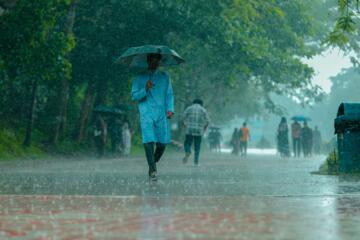
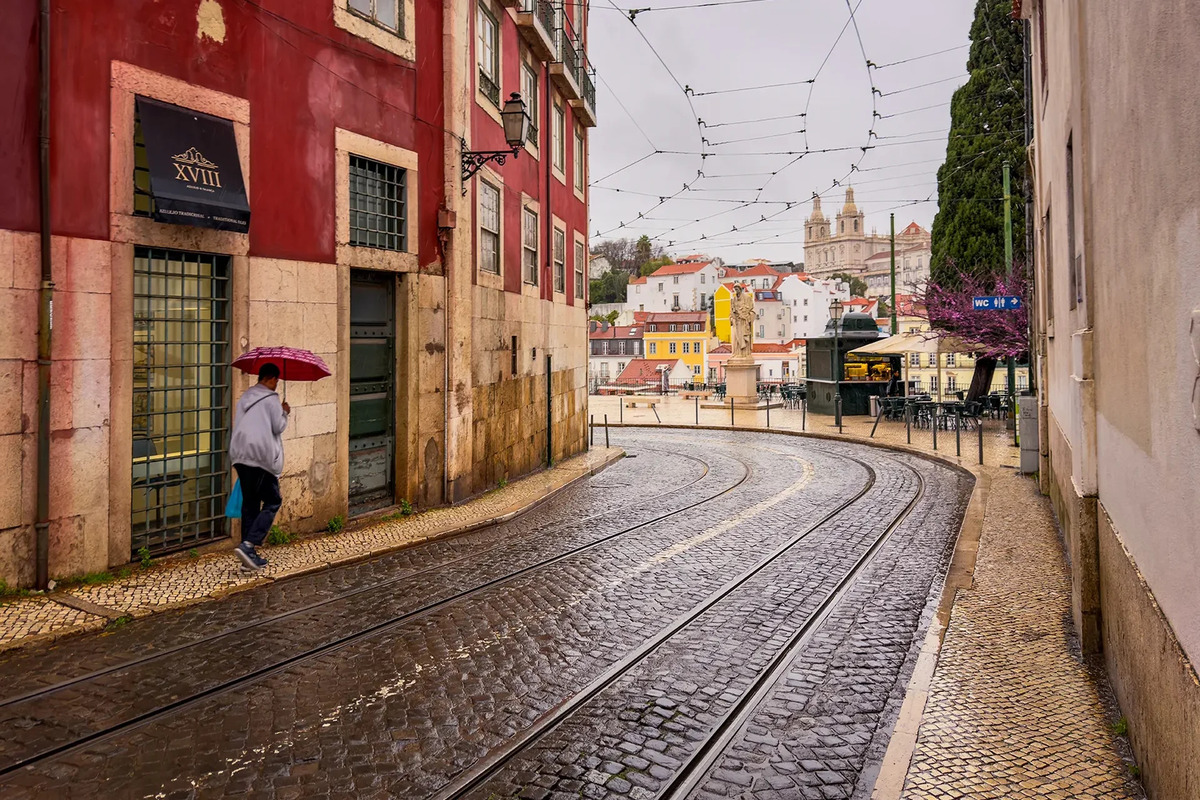
Portugal’s winter months bring frequent rain, stronger winds along the Atlantic coast, and shorter daylight hours, which changes how long transfers feel even when services run on schedule. In Lisbon and Porto, rainfall often arrives in bursts rather than steady drizzle, so a trip can start dry and become wet within minutes. Coastal areas can see rougher conditions, and that matters for buses that follow exposed road sections and for ferries that may suspend operations during high wind. If you plan walking-heavy days, the combination of rain and low visibility increases the time you need to move between stations, viewpoints, and hotel entrances.
Rainfall also affects the “last mile” of transport reliability: station entrances, underpasses, and pedestrian crossings. Many delays come from small disruptions that cascade, such as a late bus causing a missed connection, or a slower boarding process on a platform with puddles. On wet days, travelers often underestimate how much extra time they need to move luggage, find covered routes, and wait for the next service when the first one is already full.
What People Get Wrong
Travelers often treat “rain” as a single variable, but transport reliability depends on several linked factors: road grip, drainage capacity, staffing levels, and how operators manage incidents. A forecast that says “rain possible” can still produce heavy bursts that trigger localized slowdowns. Another common mistake is using only the precipitation probability without checking timing windows; a 20% chance at 6 p.m. can still mean a downpour during your transfer if the timing aligns.
People also over-trust published timetables during winter. Rail and bus schedules assume typical dwell times at stations, yet wet platforms can slow boarding, and passengers may cluster under canopies rather than moving along the platform. In cities, delays can also come from traffic management when rain reduces throughput at intersections. Even when services run, crowding can rise because people shift from walking to short rides, which increases dwell time at stops.
Supporting technologies and dependencies shape outcomes: real-time vehicle tracking, dispatch decisions, and passenger information systems. If a route has limited redundancy, one late vehicle can propagate delay for hours. Some apps show “estimated arrival” based on recent movement; those estimates can lag when conditions change quickly, which is why a buffer matters more than a single number.
Plan Around Wet Weather
Use Forecast Timing, Not Just Totals
Check hourly forecasts for the exact transfer windows you care about, then compare them with historical patterns for the same month. For example, if your connection is around 17:30 in Porto, focus on precipitation intensity and wind gusts during that hour rather than the daily average. A practical approach is to note two time blocks: when you leave your lodging and when you reach the station or stop. If the forecast shows rain intensifying in the second block, plan a longer buffer for the final approach.
When you check weather, also look at wind. Coastal routes and exposed road segments can become slower even when rainfall is moderate. I often see travelers ignore wind because the rain icon dominates the screen; on Atlantic-facing stretches, that choice can cost time.
Add Buffers Based On Transfer Type
Build buffers that match the failure mode. For a same-city bus connection, a 20–30 minute buffer for winter rain is often more realistic than a 10-minute gap, because boarding and traffic slowdowns can compound. For rail-to-bus transfers at a station, consider 30–45 minutes if you must cross multiple platforms or walk outside between terminals. If you’re connecting between cities, add time for station crowding and for the possibility that a late arrival can trigger a missed onward service.
Use a simple rule: the more you rely on walking in open air, the larger the buffer should be. If your plan includes a long walk from a station to a hotel entrance, you’re not just buffering transport; you’re buffering footing and visibility. On wet pavement, luggage wheels can slip, and people often slow down without realizing it.
Choose Routes With Better Shelter
In Lisbon and Porto, station areas often have covered sections, but the coverage can be uneven. Before you commit to an itinerary, check whether your transfer path includes outdoor crossings, stairs without shelter, or underpasses that flood. If you’re using a mapping app, switch to a walking view and look for “covered” segments; some routes look short on a map but require multiple outdoor segments in practice.
For day trips, prefer itineraries that minimize exposed coastal road time during the wettest hours. If you must travel along the coast, plan to arrive earlier and wait indoors. That reduces the chance that a short delay turns into a long wait in rain.
Use Real-Time Updates With a Sanity Check
Rely on real-time updates for the last leg, but treat them as estimates. If an app shows a train “arriving in 5 minutes” and the vehicle is already late by 20 minutes, the estimate may swing as dispatch decisions update. A practical method is to check the status twice: once 30–45 minutes before departure and again 10 minutes before. If the second check shows worsening delay, switch to the next feasible option rather than waiting for the estimate to recover.
As a small aside, I’ve seen transit apps behave differently across versions; for example, on Android, version 2024.11 of one popular transit tracker displayed “scheduled” and “estimated” times in separate fields, which reduced confusion. The exact app version matters less than reading both fields when they exist.
Case Examples For Winter Days
Lisbon: Rain Burst Before a Tram Transfer
A traveler plans a morning route from a hotel near a major avenue to a museum using tram and walking segments. The forecast shows 40% rain probability for 09:00–11:00, but hourly data indicates a heavier burst around 10:10. The tram itself runs, yet the traveler arrives at the stop after the tram has already departed because the walk from the hotel entrance takes longer on wet sidewalks. The fix is to add a buffer to the walking segment and to check the tram’s real-time status closer to departure rather than relying on the timetable.
In this scenario, the rainfall didn’t “cancel” transport; it changed the timing of a transfer. The lesson is that reliability includes your movement time, not only the vehicle’s schedule.
Porto: Bus Delay After Traffic Slowdown
A traveler takes a bus from Porto’s outskirts to the city center during a rainy afternoon. The bus route passes through intersections where rain reduces traffic flow, and the bus becomes late by 15–25 minutes. The traveler misses a connection to a second bus because the second departure time was chosen based on a dry-day assumption. The outcome improves when the traveler chooses a later connection with a longer gap and uses real-time arrival estimates for the second bus only after the first bus is confirmed on the road.
This case highlights a common pattern: winter rain affects road throughput, and road throughput affects dwell times at stops, which then affects connections.
Reliability Checklist For Rain
| Decision Point | What To Check | Winter Rain Risk | Practical Adjustment |
|---|---|---|---|
| Transfer timing | Hourly forecast for your transfer window | Rain bursts slow walking and boarding | Add 20–45 minutes depending on walking exposure |
| Route shelter | Outdoor crossings and stair segments | Wet pavement increases slip risk and slows movement | Choose covered paths; arrive early to wait indoors |
| Real-time status | Estimated vs scheduled times | Estimates swing when conditions change | Check twice: 30–45 min before and 10 min before |
| Connection plan | Next feasible option if late | Late first leg cascades into missed onward service | Pre-select a backup departure and meeting point |
Common Mistakes That Backfire
One mistake is building an itinerary with tight connections because the weather forecast shows “rain later.” Winter rain often arrives in pulses, and the pulse can land exactly during your transfer. Another mistake is choosing footwear without grip; wet stone and tiled surfaces in Portugal can be slick, and slower movement can turn a small delay into a missed connection.
People also rely on a single source for transport status. If one app shows an optimistic estimate while another shows a larger delay, treat the larger delay as the safer planning assumption. I’ve seen travelers stand at the wrong platform because the app updated the platform label late; checking station signage on arrival reduces that risk.
Finally, travelers sometimes ignore wind and coastal exposure. A route that looks fine on a rain-only forecast can become slower when gusts affect road safety and operator decisions. That’s especially relevant for coastal segments and any service that depends on weather conditions.
FAQ
How much extra time should I add?
For winter rain, add 20–30 minutes for same-city bus or tram connections and 30–45 minutes when you must walk outdoors between terminals or cross multiple platforms.
Do trains in Portugal get canceled in winter rain?
Rain can cause delays through trackside incidents or operational adjustments, but cancellations depend on the specific line and conditions. Check real-time service status close to departure rather than relying on the daily forecast.
Is Lisbon or Porto more affected by wet weather?
Both cities experience winter rain, but the practical impact differs by your route. Lisbon’s street-level transfers and walking segments often determine timing, while Porto’s hills and station approaches can slow movement on wet days.
Should I change plans if the forecast says 30% rain?
Use hourly timing. A 30% chance can still mean a heavy burst during your transfer window, so adjust buffers when the forecast intensity aligns with your travel time.
What’s the best way to reduce missed connections?
Pre-select a backup departure and meeting point, then check both scheduled and estimated times twice—about 30–45 minutes before and again 10 minutes before the connection.
Author's Insight
Winter reliability in Portugal depends less on “rain vs no rain” and more on how rain affects road throughput, station dwell times, and passenger movement. Forecasts work best when used at the hour level for your transfer windows, not as a daily summary. Real-time transport estimates help, but they can lag when conditions change quickly, so a buffer and a backup plan reduce the chance that one delay cascades. For planning, treat walking time as part of the transport system, since wet surfaces and visibility often slow people more than they expect.
Key Takeaways
- Use hourly weather timing for your transfer windows, and check wind when routes include exposed segments.
- Build buffers based on how much of your transfer happens outdoors, not only on the vehicle schedule.
- Read both scheduled and estimated times, and re-check status twice before you commit to a platform or stop.
- Pre-plan a backup connection so a late first leg doesn’t force a stressful last-minute decision.