Europe Winter Sun Basics
“Winter sun” usually gets discussed as sunshine, but travelers feel the difference most through daylight hours: the time between sunrise and sunset. Daylight length changes quickly across Europe because latitude drives the seasonal shift, while local weather mainly changes how bright the sky feels during those hours.
For planning, treat daylight as a calendar variable and sunshine as a weather variable. A destination can have 9 hours of daylight and still look bright on clear days, while another can have 10 hours and feel dim under persistent cloud. If you schedule hikes, beach walks, or photography, daylight length sets the outer boundary for what fits into your day.
Practical example: if you want a late-afternoon walk, you need to know the local sunset time, not just the average “sunny days.” In December, sunset can arrive early enough that a “5 pm” plan becomes a twilight walk, even when temperatures feel mild.
For exact sunrise and sunset times, use a reliable time source such as timeanddate.com and check the specific dates you travel. I often cross-check one date in the middle of the trip because daylight shifts by minutes from week to week, and travel itineraries rarely land exactly on the solstice.
What People Get Wrong
Many travelers compare destinations using “sunshine hours” averages without separating daylight length from cloudiness. Sunshine duration depends on weather patterns, while daylight duration depends on Earth’s tilt and your latitude. Mixing the two leads to surprises when the forecast is cloudy or when the trip dates fall outside the assumed month.
Another common mistake is using a single “winter” label for all of December–February. In northern Europe, the difference between early January and late February can be large enough to change how early evenings feel. People also forget that sunrise and sunset times shift with daylight saving time, which changes clock times even when the underlying daylight length changes more slowly.
Supporting dependencies matter. Daylight hours come from astronomical calculations, but the perceived brightness depends on cloud cover, haze, and snow reflection. In mountainous areas, local topography can also affect the moment you first see light over ridges, even when official sunrise time remains the same.
Some planning tools show “day length” but hide the date range, which makes it easy to misread. If a site only shows an annual average, it can mask the week-to-week change that affects real schedules, like museum hours or guided tours that end before dusk.
How To Compare Daylight
Use Date-Specific Sunrise And Sunset
Pick your exact travel dates and record sunrise and sunset times for each destination. A simple method: choose one date near the start, one near the middle, and one near the end of your stay. Then compute daylight length as sunset minus sunrise for each date, and average the three values.
When you compare cities, keep the comparison consistent: use the same date type (for example, mid-trip dates) rather than mixing a city’s mid-December with another city’s late-January. This avoids a subtle bias that shows up when daylight length changes quickly.
As a small aside, I once planned around a “December average” and found the actual sunset on my itinerary arrived about 35 minutes earlier than the average suggested. That difference was enough to cut a planned outdoor segment short, and it came from date mismatch rather than weather.
Separate Daylight From Sunshine
Daylight hours describe the available light window; sunshine duration describes how often the sky is clear enough for bright sun. For winter sun expectations, check both: daylight length for scheduling, and cloud/precipitation patterns for comfort.
Use weather-climate summaries from reputable meteorological sources or established travel weather services, then interpret them as probabilities, not guarantees. A destination with frequent cloud can still be pleasant if you plan for diffuse light and choose activities that do not require direct sun.
In practice, travelers often do better with “outdoor time blocks” that include indoor backups. If your plan depends on direct sun for visibility, build in a second option like a museum, a market hall, or a short indoor photography session.
Account For Latitude And Time Zones
Latitude drives the seasonal swing in daylight length. Cities farther north experience shorter winter days and longer summer days, while southern Europe retains more daylight in winter. Time zones and daylight saving time affect the clock times of sunrise and sunset, which changes how early evenings feel even when daylight length changes gradually.
When comparing destinations across countries, note whether daylight saving time is in effect during your travel window. For example, the same astronomical daylight length can appear at different clock times depending on local time rules.
A minor frustration: some itinerary apps show sunrise/sunset in your device time zone, which can shift the displayed times. Double-check the destination’s local time in the source you use, and verify the time zone label before you commit to a schedule.
Plan Around Twilight, Not Just Sunset
Many outdoor activities feel workable during civil twilight, when the sky remains bright enough for casual walking. If you rely only on “sunset,” you may underestimate the usable light window by 20–40 minutes depending on latitude and season.
Some planning sites list twilight phases; if yours does not, you can still approximate by treating the “last comfortable light” as earlier than sunset. For winter photography, this matters because contrast and color shift quickly as the sun drops.
If you travel with mobility constraints, plan conservatively. Short winter days compress the margin for delays like late trains, traffic, or a slow meal stop, and the margin shrinks further when you start from a hotel outside the city center.
Daylight Expectations By Destination
Below are educational ranges for mid-winter daylight length. Values vary by exact date and local geography, so treat them as planning anchors rather than promises. For precise times, check your dates on a sunrise/sunset calculator.
| Destination (Example City) | Approx. Winter Daylight Range | Typical Winter Feel | Planning Note |
|---|---|---|---|
| Lisbon (Portugal) | ~9.5–10.0 hours | Evenings still feel usable | Cloud can reduce brightness even when daylight is long |
| Rome (Italy) | ~9.5–10.5 hours | More daylight than northern cities | Sunset timing supports late museum visits |
| Paris (France) | ~8.0–8.8 hours | Short days, early dusk | Plan outdoor time earlier in the afternoon |
| Berlin (Germany) | ~8.0–8.6 hours | Evenings arrive quickly | Daylight saving time can shift clock times |
| London (UK) | ~8.0–8.6 hours | Short daylight, frequent cloud | Brightness varies more than daylight length |
| Stockholm (Sweden) | ~6.0–7.0 hours | Very short winter days | Plan indoor-heavy days with limited outdoor windows |
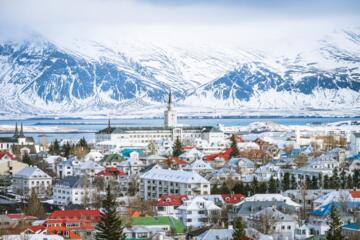
| Reykjavík (Iceland) | ~4.5–6.0 hours | Darkness dominates much of the day | Weather and daylight both constrain timing |
Case Examples For Planning
Scenario 1: Late December city break. A traveler books a 5-night trip to Rome from December 20–25. They check sunrise and sunset for December 21, 23, and 25 and find daylight length shifts by several minutes across the stay. They schedule a long outdoor walk for the afternoon of December 23 and keep December 25 as a museum-and-café day because many attractions close earlier on holidays. The plan succeeds because daylight is treated as a date-specific constraint, not a single “December” assumption.
Scenario 2: January train route with mixed latitudes. A couple plans a 10-day route from Paris to Berlin to Prague in early January. They notice that clock-time sunset arrives earlier each day as they move north and as the dates shift. They adjust by moving outdoor sightseeing to morning blocks and using indoor transit hubs for midday breaks. Their frustration comes from assuming that “the weather forecast” would compensate for early dusk, when the real limiter was daylight timing.
Common Mistakes To Avoid
Relying on a single “average daylight hours” number for an entire month often misaligns with real schedules. If your itinerary spans multiple weeks, daylight length changes enough to affect whether you can finish an outdoor activity before dusk.
Another mistake is ignoring the difference between sunrise time and the time you can see clearly. Fog, low cloud, and snow can delay visible light even when the sun has technically risen. In coastal cities, wind-driven cloud can also make brightness feel inconsistent.
Some travelers overcorrect by planning only indoor activities, which can reduce the value of a winter sun trip. A better approach is to plan outdoor time earlier and add a backup that fits the same neighborhood, so you do not lose time traveling when the sky stays gray.
Finally, do not assume that “mild temperature” means comfortable walking after sunset. Wind chill and wet surfaces can make evening conditions feel colder, and daylight fades quickly once the sun drops.
FAQ
How Do I Find Daylight Hours For My Dates?
Use a sunrise/sunset calculator and enter the exact dates and city. Record sunrise and sunset times for each day you care about, then subtract to get daylight length. Check that the displayed times match the destination’s local time zone.
Does Cloudy Weather Change Daylight Hours?
Clouds do not change the astronomical length of daylight, but they reduce brightness and can make the sky feel dim earlier. For comfort planning, pair daylight length with cloud and precipitation patterns from a weather-climate source.
Why Do Two Cities With Similar Latitude Feel Different?
Local weather patterns, proximity to oceans, and terrain affect how bright and comfortable it feels during the daylight window. Daylight length can be similar while visibility and wind differ enough to change your experience.
What Month Is Best For “Winter Sun” In Europe?
For daylight length, late January and February often feel less harsh than mid-December in many northern and central European cities. For sunshine, the best month depends on local cloud patterns, so check both daylight and typical weather for your exact route.
Do Daylight Saving Time Changes Affect Planning?
Yes for clock times. Daylight saving time shifts sunrise and sunset on the clock even when the underlying daylight length changes gradually, so verify times for the specific dates you travel.
Author's Insight
Daylight hours follow predictable astronomy, so they make a reliable planning baseline for winter travel. Weather affects perceived brightness, comfort, and visibility, so daylight alone cannot predict “sunny” experiences. A practical workflow is to compute daylight length from sunrise and sunset for your exact dates, then layer in typical cloud and precipitation patterns to choose activities that match the likely sky conditions.
If you plan with a calendar view, I recommend checking one date in the middle of your trip rather than trusting a single “average” figure. On my own planning spreadsheets, I label the source and the date range so I can spot when a tool version or date selection changes the results—this matters more than it sounds.
Key Takeaways
- Daylight hours set the outer limit for outdoor plans; sunshine depends on weather and can vary widely.
- Compare destinations using date-specific sunrise and sunset times, not month averages.
- Account for daylight saving time because clock-time sunset changes your evenings.
- Plan for twilight and keep indoor backups nearby when winter weather stays gray.