Compare Greece and Croatia
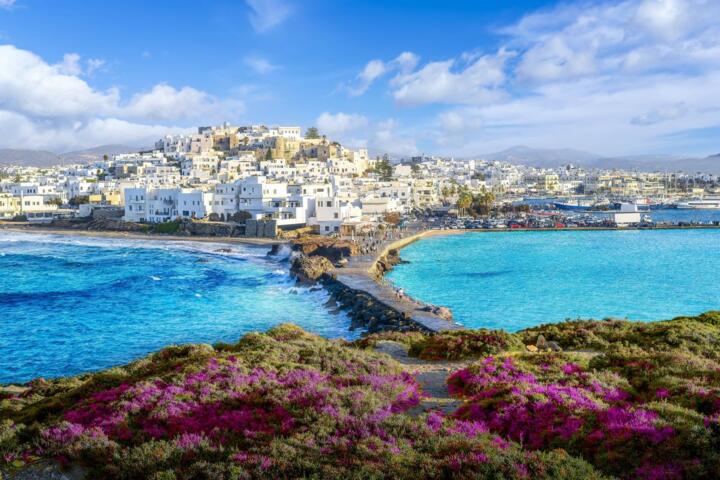
The summer travel debate between Greece and Croatia revolves around two stunning Mediterranean destinations with distinct appeals. Greece boasts over 6,000 islands, though around 227 are inhabited. Popular islands like Santorini offer volcanic beaches and iconic whitewashed villages, while Athens anchors history with its ancient ruins. Croatia, by contrast, has a coastline stretching 1,800 kilometers dotted with medieval towns like Dubrovnik and Split and over 1,200 islands. The Adriatic Sea here is known for clear waters and pebble beaches.
Both countries share a summer season from June to September, with average July temperatures hitting 30°C or higher. However, each offers unique flavors of Mediterranean culture, architecture, and cuisine that influence traveler experiences.
Travel Challenges and Missteps
People often underestimate the peak-season crowd sizes in these destinations, especially in July and August. Greek islands like Mykonos and Santorini see visitor numbers explode, leading to long waits and inflated prices. Croatian hotspots such as Dubrovnik face similar tourist surges, which can overshadow authentic experiences and strain local infrastructure.
Many travelers skip considering expense variations. Greece generally presents cheaper dining and accommodations, unless you pick the most popular islands where prices can rival upscale European cities. Croatia leans more pricey overall, especially in the Dalmatian coast, partly because of rising international demand and the introduction of many luxury resorts post-2010.
The geography adds complexity; island hopping in Greece requires ferry schedules that get crowded fast, and the early summer waves might not align with all transportation options. Croatia’s land-based coastal towns often rely on car travel or buses, but driving on narrow coastal roads in summer can test patience.
Plan a Smooth Trip
Choose your base carefully
Start with the kind of landscape and ambiance you want. Greece suits those prioritizing island life, diverse beaches, and archaeological experiences. Croatia works well for history buffs and those who want a mix of seaside towns with inland nature parks, like Plitvice Lakes.
Book early for ferries and flights
Reserve transportation 2–3 months in advance. Greek ferry companies like Blue Star Ferries ramp up departures, but seats fill fast in July. Croatia Airlines and multiple budget airlines connect Zagreb and Split with European hubs, but planning ahead avoids last-minute price spikes.
Budget realistically
Expect daily costs around 50-70 euros in Greece for meals and midrange lodgings. Croatia’s split between 60-90 euros daily, leaning higher in hotspots. Local tavernas in Greece can serve a full meal under 15 euros; in Croatian towns, meals often start at 20 euros. Adjust spending based on island remoteness or town popularity.
Experience local cuisine
Greek staples like moussaka or grilled octopus blend simple flavors with herbs; Croatia highlights fresh seafood paired with Istrian olive oils and wines. Trying konoba restaurants in Croatia offers more rustic, hearty dishes unlike the Greek light fare often praised.
Exploit off-peak timing
Visit in June or September. Fewer tourists, lower prices, and still pleasantly warm waters. Expect 25-28°C water temps in these months — perfect for swimming, minus crowds.
Pick lodging wisely
Vacation rentals on Airbnb or Booking.com give access to family-run apartments and villas. In Greece, staying in less-touristy islands like Naxos reduces costs by up to 30%. Croatia’s smaller islands like Vis offer secluded retreats often ignored by mainstream travelers.
Use local guides and apps
In Croatia, apps like Dubrovnik Walking Tours reveal hidden medieval spots. Greece’s “Athens Walking Guide” app launched in 2023 covers complex archaeological sites efficiently. Hiring guides enhances the experience beyond what Google searches yield.
Plan cultural visits thoughtfully
Time museum visits early morning to avoid long lines. In Greece, the Acropolis Museum closes at 8 p.m., so late afternoons can be quieter. In Croatia, Diocletian’s Palace in Split sees peak crowds midday; early slots or late afternoons work better for photos and fewer tourists.
Stay hydrated and protect skin
Southern Europe’s summer sun can be unforgiving. Pack UV-rated sunscreen, have a reusable water bottle, and scout shaded cafes or beaches. Many islands have scarce fresh water, which limits long beach days without breaks.
Travel Success Stories
Last summer, a small tour operator focusing on sustainable travel took 20 guests to Greece’s Pelion region — avoiding the Cyclades’ crush. They curated hiking and village visits, increasing local business benefit by 40% compared to peak island tours. Guests reported higher satisfaction due to fewer crowds and authentic cultural exposure.
A Croatian family-run hotel in Hvar revamped its booking strategy in 2022, promoting mid-September stays combined with regional wine tours. Occupancy rose 25% over previous years during that slot, while reducing staff burnout common in July. Visitors loved leisure pace and wine tastings with vineyards open beyond peak season.
Decision Helper
| Aspect | Greece | Croatia | Notes |
|---|---|---|---|
| Cost Level | Moderate | Higher | Athens cheaper; islands pricey |
| Transport | Ferries | Road, Ferries | Croatia road narrow, ferry scheduling key |
| Peak Crowds | High July-August | High July-August | Similar peak season |
| Cuisine | Mediterranean light | Hearty seafood & wine | Both fresh, differ in style |
| Culture | Ancient ruins & islands | Medieval towns & parks | Different historical eras |
Errors to Avoid
Booking accommodations at last minute ruins affordability, especially mid-August. This happens frequently, despite obvious high season warnings. Don’t expect island hopping to work without prearranged ferries; the lines and cancelled trips ruin days quickly.
Underestimating sun exposure risks heat-related exhaustion. Several travelers skip carrying water or proper hats, damaging their health and plans. Cultural mismatches, like ignoring local customs or dress codes in religious sites, occasionally cause awkward situations.
FAQ
Which country has more beaches?
Greece has around 13,676 kilometers of coastline, with thousands of islands offering many beaches, while Croatia’s coastline is about 1,800 kilometers long but intensely indented, creating many coves and pebble beaches.
Is Greece cheaper to visit than Croatia?
Generally, Greece offers more budget-friendly options in restaurants and lodging, especially outside high-demand islands, while Croatia tends to have higher prices in coastal hotspots like Dubrovnik.
When is best to avoid crowds?
June and September deliver warm weather with smaller crowds in both countries. July and August attract peak visitors and can overwhelm infrastructure.
What about safety and health?
Both countries rank highly in traveler safety. Standard precautions apply: hydration, sunscreen, and awareness in crowded tourist spots.
Can I rely on public transport there?
Large cities and popular towns have reliable buses and ferries, but small islands and remote areas often require rental cars or taxis, especially in Croatia’s rugged coastline.
Author's Insight
I’ve explored Greek islands well before the Instagram rush and watched Croatian towns evolve from quiet fishing hubs to tourist magnets since a 2009 trip. Each destination delivers charm complemented by challenges. I value early bookings and mid-season visits for sanity and cost. Packing smarter (think sneakers plus sandals) suits varied terrain and historical treks. Expect surprises, even when planning meticulously—that’s part of the joy.
What to Remember
Greece and Croatia both shine for summer trips but cater to different tastes and budgets. Greece excels in island diversity and affordable gastronomy, while Croatia appeals with medieval charm and lush coastal nature. Avoid peak season pangs by aiming for June or September and reserving transport early. Sample local foods and choose less-visited spots to get closer to authentic culture. Whichever you select, preparation matters profoundly.