Why Japan Seeems Attractive
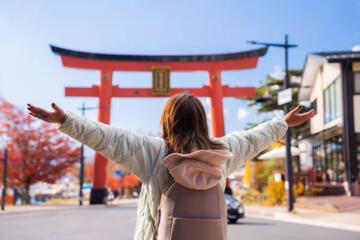
Japan offers a unique blend of tradition and ultramodern elements rarely matched anywhere else. Travelers are drawn to neon-lit streets like Tokyo’s Shibuya, timed precisely for the famous crossing that sees over 2,500 people every light change. Temples such as Kyoto’s Fushimi Inari, lined with nearly 10,000 vermilion torii gates, illustrate centuries-old culture living beside the new.
Its public transport is famously punctual; trains average less than a minute delay per month on some routes. A first-timer gets to witness efficient infrastructure that contrasts with the rich heritage scattered across regionally diverse landscapes.
Even meals serve as storytelling—whether it’s fresh sushi from Tsukiji Market or steaming bowls of ramen sampled from a tiny street stall alongside office workers. Japan delivers experiences and environments unlike typical tourist destinations.
Common Misconceptions
Many believe Japan is prohibitively expensive or that language barriers create insurmountable hurdles. In reality, budget options abound, such as capsule hotels costing less than $50 per night or local eateries where meals run around 700-1,000 yen.
Planning without considering Japan’s regional variety leads to rushed trips and missed gems. For instance, sticking only to Tokyo ignores the peaceful onsens or the art island of Naoshima that Walt Disney Studios might envy for creativity but lacks in tranquility.
Getting frustrated over complex etiquette or subway maps happens easily. A traveler anxiously puzzling over train lines or bowing properly can lose the joy of immersion. Mistakes can mean lost time or awkward moments, which stack quickly on a tight schedule.
How to Ease Your Journey
Pre-trip language prep
Learn 20-30 useful Japanese phrases for travel basics and emergencies. Apps like Google Translate have improved, but relying solely on them slows interactions. Flashcards or apps like Duolingo (v7.44) add a personal touch that locals appreciate.
Using Japan Rail Pass
A 7- or 14-day Japan Rail Pass reduces train travel costs drastically if planning to visit multiple cities. It saves up to 40% on Shinkansen bullet train expenses compared to single-ticket purchases. Activate the pass outside Japan or buy through official distributors to avoid scams.
Accommodation choices matter
Mix stays between business hotels, ryokans, and guesthouses. Ryokans offer tatami mats and traditional hospitality but cost upwards of $150 per night; business hotels in urban areas can drop below $80. Booking early on platforms like Booking.com helps secure competitive rates.
Optimize sightseeing with local transport
Street metros work best when paired with an IC card such as Suica or Pasmo, easing transfers and purchases. Cards can be topped up at stations, offering flexibility without hunting for exact change. Using local buses in cities like Hiroshima opens access to hidden spots.
Food budgeting strategy
Layer meals: Have a convenience store bento box lunch (~400 yen) and splurge Wednesday dinner on authentic sushi priced about 3,000 yen per person. Convenience store chains—Lawson, 7-Eleven—serve surprisingly fresh options safe when time is tight.
Timing your visit
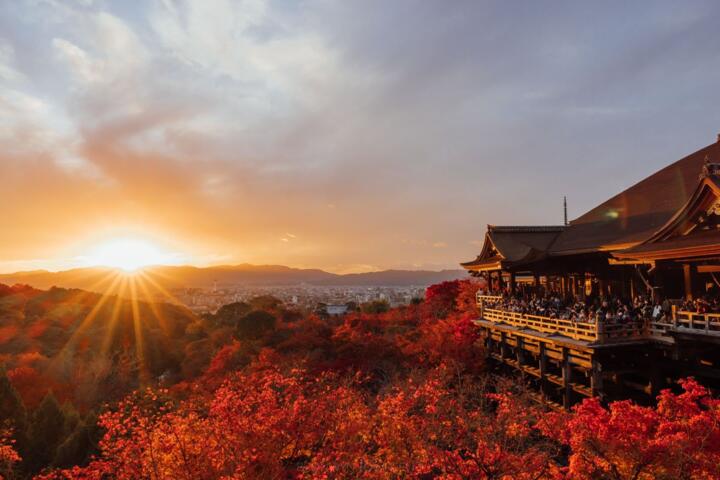
Visit during shoulder seasons like late March to early April or late October for fewer crowds and comfortable weather. Peak cherry blossom season attracts millions; accommodation prices triple in Tokyo, while autumn brings vivid foliage better explored in rural areas.
Cash vs. card usage
Carry cash for smaller shops or temples; about 10,000 yen daily avoids ATM hunts. Credit cards work in most hotels and department stores, yet many neighborhood businesses remain cash-only. Japan Post Bank and 7-Eleven ATMs accept foreign cards reliably.
Travel insurance necessity
Medical care can be costly. An insurance plan covering up to $100,000 is affordable (roughly $50 for two weeks) and covers unexpected hospital visits or lost luggage. Services like World Nomads or SafetyWing fit flexible itineraries well.
Connectivity options
Renting a pocket WiFi (e.g., Ninja WiFi) starting at $7/day helps with live maps and instant translation. Free WiFi spots exist sporadically but rarely cover transit or remote areas effectively. Order devices online for airport pickup.
Real Traveler Experiences
A startup team visited Tokyo and Osaka in 2022 with a budget of $3,000 each. Initially overwhelmed by metro complexity, they switched to the Rail Pass mid-trip, saving approximately $200 per person. They booked hostels through Hostelworld, gaining local tips and reducing daily lodging by 30%.
The second case involved a family of four prioritizing culture over nightlife. Using a guidebook and local tours in Kyoto increased their costs but rewarded with detailed temple histories and access to restricted areas. Their shared activities lowered per-head expenses by 15%, making cultural investment rewarding.
First-Time Visitor Checklist
| Item | Action | Benefit | Example Tool |
|---|---|---|---|
| Language Prep | Learn key phrases | Better local interaction | Duolingo |
| Rail Pass | Buy before arrival | Save train fares | Japan Rail Pass |
| Cash Reserve | Carry daily cash | Access small vendors | ATM at 7-Eleven |
| Accommodation | Book mixed types | Balance culture and cost | Booking.com |
| Connectivity | Rent pocket WiFi | Reliable internet access | Ninja WiFi |
Typical Errors to Avoid
Booking late and accepting only expensive hotels in central areas breeds budget stress. Some travellers overlook the convenience of regional trains and end up paying 300-500% more. Buying tickets individually when planning multiple stops wastes funds and time. Overpacking usually backfires given Japan’s efficient laundromats and clothing rentals, adding unnecessary luggage burdens.
Ignoring local customs like shoe removal leads to awkwardness, especially in ryokans or shrines. Missing travel insurance means emergency hospital bills can hit thousands of dollars, sometimes requiring upfront payment. Skipping breakfast to save money is counterproductive; convenience stores offer affordable, filling choices closer to 5–7 am open time.
FAQ
Is Japan safe for first-time travelers?
Yes. Japan has one of the lowest crime rates worldwide. Public spaces and transport are well-monitored, and violent crime is rare. Standard travel caution still applies.
How much does a two-week trip cost?
Between $2,500 and $4,000 per person, including flights, accommodation, transport, food, and activities. Costs vary widely by season and style of lodging chosen.
Do I need a visa to visit?
Most Western countries do not require a tourist visa for stays under 90 days. Check your country's official consulate site as policies can change.
Is WiFi widely available?
Free public WiFi exists but is spotty. Renting a pocket WiFi device ensures continuous coverage, especially in rural or suburban areas.
Can I use credit cards everywhere?
Major urban centers and tourist spots accept cards. However, many smaller shops, restaurants, and rural areas prefer cash. Carry at least 10,000 yen on hand daily.
Author's Insight
I took my first extended trip to Japan in autumn 2019 and learned that pacing is critical. Walking 15 kilometers a day and juggling multiple train lines felt exhilarating but draining. Local, small restaurants often surprised me with flavor and affordability, unlike chain eateries.
Learning basic Japanese phrases triggered friendlier responses, which I hadn't expected from city crowds. I recommend booking a Rail Pass early – I wasted around $100 by buying tickets piecemeal at first. The cultural contrasts made every day feel new, keeping motivation high even after jet lag.
Key Takeaways
Japan presents an unforgettable first major trip if approached with smart planning. Budgeting around $3,000 covers comfortable lodging, rail travel, meals, and experiences for two weeks. Avoid overspending by mixing accommodation types, learning essential phrases, and using transit passes. Allocate time for regional exploration beyond Tokyo to gain balance.
Embrace the culture, expect small challenges, and prepare with cash and connectivity options in hand. Japan rewards thoughtful travelers more than hasty ones, especially beginners. A well-managed itinerary means your first big trip stays memorable, rather than exhausting.