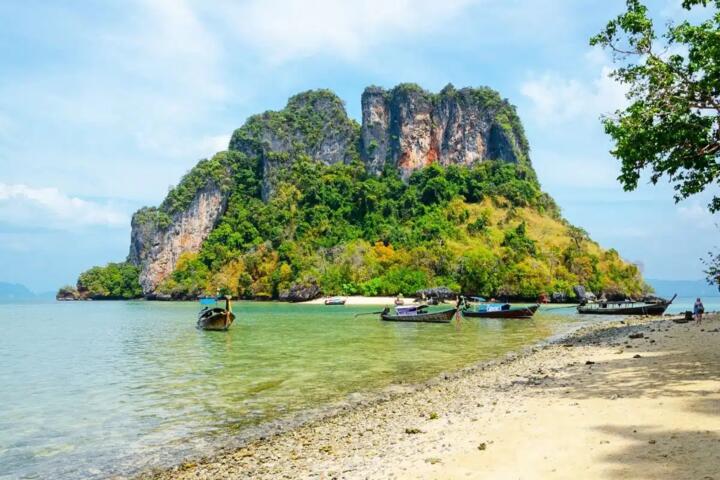
Visit Thailand in Rainy Season
Thailand's rainy season runs roughly from June to October, dominated by the southwest monsoon. Average rainfall varies widely: while Bangkok may see about 1200 mm during these months, northern regions like Chiang Mai often exceed 1500 mm. Visitors often imagine nonstop downpours, but in reality, rain typically arrives in bursts lasting 30 to 90 minutes, frequently followed by sunshine. This pattern means exploring outdoor sites remains feasible on many days, though timing your activities matters.
A typical afternoon shower refreshes the landscape, making waterfalls more impressive and national parks lush. For instance, Erawan Falls in Kanchanaburi swells spectacularly with fewer crowds. Meanwhile, low-season airfare drops by up to 40% compared to peak months. Accommodation deals reflect this trend too; boutique hotels often offer rates 30–50% lower, making luxury stays accessible.
Many international visitors skip this season due to fear of inconvenience—often unfairly. I’ve seen the vibrant green fields near Pai glow after a rain, and the quiet temples in Ayutthaya invite reflection without hot sun or tourists elbow-to-elbow. The rainy season also means fewer insects than the hot season, which surprises many travelers.
Common Misjudgments
Travelers often expect relentless flooding and ruined plans. This misconception results in overbooking peak seasons, escalating costs and crowds. Ignoring local weather nuances leads some to book beach resorts that remain stormy weeks at a stretch. For example, Phuket and Krabi see more persistent rains and occasional rough seas during these months, which can cancel boat tours, fostering disappointment.
Underestimating the intensity of short, heavy rains sometimes causes serious issues—especially in rural areas where roads become muddy or slippery. Tourists renting scooters on such terrain risk falls and delays. Additionally, some anticipate that indoor activities dominate the rainy months, missing out on unique cultural festivities like the Buddhist Lent, celebrated in July–October with candle processions and alms giving, deeply entrenched in Thai traditions.
Relying on northern or northeastern Thailand's humid, rainy conditions without proper gear can also frustrate visitors unprepared for rapid weather shifts. This leads to wet clothes, ruined gadgets—plus an overall discomfort that sours trips. Tour operators sometimes cancel day trips last minute due to safety, a common surprise if your itinerary lacks buffer days.
Practical Tips and Tricks
Choose Regions Wisely
Opt for the Gulf of Thailand side for drier weather in July-September, like Koh Samui, Koh Phangan, or Koh Tao. These places see 600-800 mm rainfall, less than 1200+ mm on the Andaman side during the same months. With this choice, water activities and beach time stay mostly uninterrupted. The more reliable climate boosts swimming and snorkeling options.
Track Local Weather
Use apps like Weather Underground or the Thai Meteorological Department (version 7.4.3) for daily updates. These sources often provide hour-by-hour forecasts and warnings for flash floods. Monitoring these lets you schedule hikes or city tours between showers precisely, making the most of windows when rain pauses. It’s a better approach than basing plans on vague season assumptions.
Pack Smart Gear
Waterproof hiking boots and high-quality rain jackets, such as those by Columbia or North Face, dramatically improve comfort. Quick-dry clothing, a compact umbrella, and waterproof phone pouches protect essentials. Investing about $100 in decent rain gear pays off; I never travel Thai low season without a DryCase model for tech gear, which rarely fails.
Embrace Indoor Attractions
Museums, shopping in Bangkok's MBK Center, or exploring cooking classes become excellent alternatives on rainy days. Bangkok Art and Culture Centre hosts rotating exhibitions and is near public transport, minimizing time outdoors. These spots offer cultural depth without weather stress.
Use Flexible Bookings
Many accommodation sites like Agoda or Booking.com allow free cancellation or date changes. They often run “rainy season deals” with prices up to 50% off. Airlines like Thai AirAsia also offer flexible fares under travel uncertainty. Book with flexibility to rearrange your plans without penalties.
Plan Cultural Visits
Buddhist Lent, alongside Loy Krathong towards November’s end, offers immersive experiences without huge crowds. These events occur despite rain and let visitors witness local traditions live, a unique travel depth often missed by those restricting to sunny months only.
Consider Guided Tours
Local guides adjust itineraries dynamically for weather shifts, improving safety and enjoyment. Companies like Grasshopper Adventures (est. 2009) specialize in off-peak tours tailored to rainy season conditions, delivering higher satisfaction rates than DIY plans.
Prepare for Mosquitoes
Despite cooler and wetter weather, mosquitoes remain active. Use DEET-based repellents or permethrin-treated clothing; local pharmacies like Boots in Chiang Mai stock high-quality options not always available elsewhere. This simple measure prevents illnesses, including dengue.
Use Public Transport
Tuk-tuks and motorbike taxis can become hazardous when roads flood or get slippery. Instead, use Grab or local taxis with weather-rated vehicles to reduce accident risks. It’s an often overlooked difference with high impact.
Real Examples of Success
A boutique hotel in Chiang Rai faced a 60% drop in summer bookings in 2019 from mistaken rainy-season fears. They introduced flexible booking terms, promoted off-season festivals, and boosted social media presence showing sunny-frequent days. Result: occupancy rose by 35% in the following rainy season, with positive reviews highlighting value for money and unique experiences.
Another case: a Bangkok-based tour operator specializing in bike tours adapted by investing in waterproof gear and offering half-day options timed between typical rain cycles. Their 2022 rainy season revenue increased by about 20%, largely from repeat visitors who trusted their weather-smart approach.
Trip Prep Checklist
| Task | Timing | Tools/Notes | Outcome |
|---|---|---|---|
| Pick Region | Before Booking | Rain Maps, Reviews | More Sunny Days |
| Monitor Weather | Daily or 3-Day | Thai Met App, Weather Underground | Plan Tours Better |
| Gear Up | Before Trip | Waterproof Jacket, Shoes | Comfort |
| Book Flexibly | At Booking | Agoda, Booking.com Deals | Reduce Risks |
| Choose Transport | Daily | Grab App, Taxis | Safety |
Errors to Watch Out
Ignoring microclimates causes trouble. Phuket’s rain spikes may differ hugely from nearby Koh Samui, so blanket avoidance wastes options. Also, skipping mosquito precautions often ruins good days—dengue incidence rises sharply after heavy rains. Furthermore, rigid plans without buffer days backfire when sudden floods force cancellations. I’ve lost three tours in a row due to stubborn weather sticking around—most travelers don't build slack in.
Another pitfall: relying solely on hotel staff for weather advice, which frequently errs on the cautious side to prevent complaints. Cross-check reports yourself. Lastly, packing cotton-heavy clothes leads to damp misery; synthetic options wick moisture and dry overnight, making a huge comfort difference.
FAQ
Is it safe to swim during rainy season?
In many coastal areas, swimming remains safe if you avoid stormy days and heed local advisories about tides or currents. Koh Samui typically offers safer conditions mid-rainy season compared to west-coast beaches like Patong.
Does the rain ruin outdoor activities?
Short rains rarely cancel activities if scheduled carefully. Early mornings or late afternoons often remain dry. However, hikes on muddy trails or boat trips can be hazardous during heavy downpours.
Are there fewer tourists in rainy months?
Yes, visitor numbers decline 30–50% in many hotspots, reducing crowding and increasing experience quality. Hotels and tours often run promotions to attract guests.
What diseases are more common in rainy season?
Dengue fever rises with more mosquitoes, plus waterborne illnesses can spike if floodwaters contaminate supplies. Using repellents and avoiding street food from questionable vendors reduces risks.
Can I visit islands during this time?
Some islands remain accessible, especially on the Gulf side, but boat schedules sometimes change due to rough seas. Checking local transport updates daily helps avoid surprises.
Author's Insight
Having explored Thailand during rainy seasons over multiple years, I've witnessed how assumptions about the weather limit life-changing experiences. Despite occasional downpours, the vibrancy of green landscapes and calm tourist spots create unique memories. I advise travelers to adapt, not avoid, rainy months—the savings and solitude can be worth more than nonstop sunshine. Packing well and staying flexible improved every trip, and exploring cultural events during rain added layers to my understanding.
What to Remember
Thailand's rainy season presents tangible downsides but also distinct advantages if approached realistically. Choose your region based on precise rainfall data; prepare with adequate gear, monitor weather regularly, and adjust plans accordingly. Embracing off-peak travel means lower costs, fewer crowds, and richer insights into Thai culture and nature. The key: flexibility and preparedness create rewarding trips, even when the skies open up.