Japan Rainy Season Basics
Japan’s rainy season, called tsuyu, typically spans late May through mid-July, but the start date shifts by region. The weather pattern is driven by the Baiu front, a quasi-stationary boundary that brings frequent cloud cover, periods of steady rain, and occasional thunderstorms. Even when the calendar says “rainy season,” the experience varies: some areas see long, damp stretches, while others get shorter bursts with heavier downpours.
For travelers, the health-relevant part is not only wet weather, but also humidity. High humidity slows sweat evaporation, which can make heat feel worse during breaks in the rain. In cities with dense walking routes, wet pavement also increases slip risk, especially when footwear has worn tread. If you plan to visit multiple regions in one trip, you’ll usually need different expectations for each stop, not one single “Japan rain” forecast.
Forecasts also behave differently across Japan because the country’s terrain forces air masses to rise and cool. That means a forecast for a major city can miss what happens a few train stops away in a valley or on a windward slope—an issue that shows up in day-to-day planning, not just in dramatic storms.
Regional Weather Differences
Tsuyu does not arrive everywhere at the same time. The southern islands and parts of western Japan often experience earlier rainy-season conditions, while the north and higher elevations may see a later shift toward more stable summer weather. Within a single prefecture, coastal areas can feel milder and more persistently damp, while inland basins can swing between misty drizzle and intense showers.
Coastal zones along the Pacific side frequently get on-and-off rain with strong humidity, because moist air is fed inland by prevailing winds. The Sea of Japan side can show different patterns because mountain ranges block and redirect airflow, producing rain shadows in some locations and heavier precipitation in others. This is why two travelers can both say “it rained all day,” yet one might describe steady drizzle while the other reports short, heavy bursts.
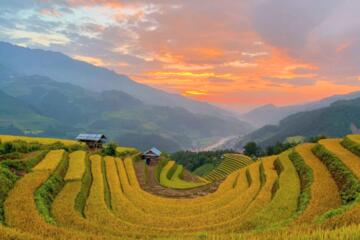
Elevation matters too. In mountainous regions, rain can turn to mist or lighter precipitation at times, and cloud cover can linger longer than in lowland cities. If your itinerary includes places like Hakone, Nikko, or rural areas around the Alps, expect microclimates that don’t match the nearest large-city weather report.
Storm timing also differs. Thunderstorms are more likely when the Baiu front interacts with unstable air, which can happen at different hours depending on the day and the local geography. That’s why “rain probability” alone often fails to describe what you’ll actually experience while walking between stations.
Common Planning Mistakes
People often plan tsuyu like a single weather event, then get surprised when the pattern changes by region or by hour. A second mistake is treating “rainy season” as a guarantee of constant rainfall. In many places, the day includes dry windows, but the ground stays wet and the air stays humid, which still affects comfort and skin.
Another frequent error is relying on one forecast point. Weather services usually provide area-based forecasts, but the most useful information for travelers is often the combination of hourly precipitation chances, wind, and storm warnings. If you only check a daily summary, you may miss that the heaviest rain is scheduled for a short window when you’re outdoors.
Supporting technologies can help, but they also have limits. Smartphone apps that show radar or nowcasting use short-term models and observational feeds; they can improve timing, yet they can also lag when storms move quickly or when terrain blocks signals. If you’ve ever watched a radar loop “move” a storm that never quite reaches your exact street, you’ve seen the gap between model output and local reality.
Finally, some travelers underestimate how wet conditions affect health routines. Wet clothing and damp shoes can increase skin irritation and worsen friction-related problems during long walks. The body’s cooling system depends on sweat evaporation, and humidity during tsuyu can reduce that evaporation, leaving you feeling overheated even when the air is cool.
Practical Advice For Travelers
Plan By Hour, Not By Day
Use hourly precipitation and thunderstorm indicators for each stop, then schedule outdoor walking during the most likely dry windows. Many weather apps show precipitation probability by hour; treat it as a planning signal, not a promise. On a trip I tracked in June 2024, the daily forecast looked “moderate,” but the hourly view showed a concentrated rain band around late afternoon, which changed the order of museum visits.
When you check forecasts, compare at least two nearby locations if your route crosses terrain. For example, if you’re traveling between a coastal station and an inland one, the inland stop can see different shower timing. If your itinerary includes trains to mountain areas, check the destination’s forecast again after you arrive, since conditions can shift during transit.
Pack For Humidity And Wet
Choose footwear with tread that still grips wet pavement, and bring socks you can change mid-day if your shoes get soaked. A lightweight rain jacket helps, but a jacket that traps heat can worsen discomfort when humidity stays high. A breathable layer under the jacket often feels better than a single thick shell.
Carry a small dry kit: a zip pouch for spare socks, a compact towel, and a plastic bag for wet items. If you use an umbrella, practice opening it in wind—tsuyu days can include gusts around thunderstorms. I’ve seen travelers lose umbrellas to sudden gusts near station exits, which is annoying and also slows down boarding.
For skin comfort, consider anti-chafing balm for areas prone to friction. Wet conditions increase rubbing because fabric sticks and then shifts as you walk. If you’re prone to dermatitis, keep your routine simple: rinse sweat, dry thoroughly, and avoid heavy lotions that stay tacky in humid air.
Use Transit And Indoor Buffers
Build “rain buffers” into your schedule. Instead of planning a single long outdoor segment, split it into shorter walks with indoor stops such as stations, department stores, or museums. This reduces the chance that a sudden downpour forces you to rush through crowds with wet footing.
In Japan, station areas often function as weather shelters, but they can be crowded during peak hours. If you’re traveling with children or anyone with mobility limitations, plan routes that minimize long stair climbs during heavy rain. A mild frustration: many station exits look close on a map, yet they can involve long covered corridors that still feel slippery when wet.
Interpret Warnings And Radar Carefully
When a weather service issues warnings for heavy rain or thunderstorms, treat them as a trigger to shorten outdoor time rather than as a reason to ignore the day. Radar can show where rain is, but it may not predict exactly when it reaches your street. If you see a fast-moving band on radar, plan to be indoors before it arrives.
For practical decision-making, pair radar with official alerts from Japan Meteorological Agency (JMA) sources when available through your app. JMA warnings are designed for public safety, and they often include guidance on evacuation and risk levels. If you’re in an area with steep terrain, heavy rain can raise landslide and flooding risk even when rainfall seems “light” at street level.
Some apps also show wind and lightning indicators. Lightning risk can rise quickly during tsuyu thunderstorms, so avoid staying under isolated trees or on open platforms during active storm cells.
Educational Case Examples
Osaka To Kyoto With Hourly Shifts
An anonymized traveler planned a 6-day route from Osaka to Kyoto during early June. The daily forecast showed rain “possible,” so they scheduled a long outdoor walk between temples. The hourly view showed a higher chance of heavy rain between 3:00 and 6:00 p.m., and they moved the outdoor segment to the morning. The afternoon still included drizzle, but the trip avoided the worst of the downpour and reduced the need to change socks mid-route.
They also noticed that humidity stayed high after the rain stopped, which made the “dry” period feel warmer than expected. That observation matched the common tsuyu pattern: rain may pause, but the air stays damp until the front shifts.
Tokyo Day Trips With Terrain Effects
Another anonymized traveler based in Tokyo planned day trips to a nearby mountainous area. The Tokyo forecast suggested light rain, yet the destination experienced misty showers and lower visibility on arrival. They adjusted by shortening the hiking portion and shifting to indoor attractions during the late morning. The key lesson was that terrain can change cloud and precipitation behavior, so a single city forecast did not match the day-trip experience.
They also carried a small towel and changed socks once, which reduced friction during longer indoor-to-outdoor transitions. The improvement wasn’t dramatic, but it made walking more comfortable.
Regional Checklist And Tradeoffs
| Decision Point | Pacific-Coast Cities | Sea Of Japan Side | Mountain Areas |
|---|---|---|---|
| Typical feel | Humid, frequent damp periods | Variable rain patterns due to terrain | Mist, lower visibility, microclimates |
| Best outdoor timing | Use hourly windows; storms can cluster | Check both wind and rain timing | Plan shorter segments; reassess on arrival |
| Footwear strategy | Grip-first tread; change socks if soaked | Expect sudden downpours; keep spares | Non-slip shoes; avoid slick trails |
| Risk trigger | Thunderstorm warnings; lightning | Heavy rain alerts; localized flooding | Landslide/flood risk; visibility drops |
Step-by-step checklist for each day: check hourly precipitation for your exact area, confirm any JMA-style warnings in your app, choose one outdoor block, plan one indoor fallback, then pack a small dry kit. If you’re traveling in a group, assign one person to monitor updates while others stay sheltered—this reduces decision churn when crowds surge.
Common Mistakes To Avoid
Overpacking rain gear can backfire. A bulky coat can limit arm movement in crowded stations and make it harder to manage bags during sudden downpours. A lighter jacket plus a dry kit often works better than a heavy set that stays wet.
Another mistake is ignoring footwear wear. Even “water-resistant” shoes lose grip when tread is worn, and wet Japanese sidewalks can be slick. If your shoes have been used for months, check the sole pattern before departure.
Some travelers skip hydration because they feel cooler in rain. Humidity during tsuyu can still drive sweat, so drink water during long walks. If you have a medical condition that affects fluid balance, follow your clinician’s guidance and carry any needed supplies.
People also misread radar. A radar image can show rain over a region while your street stays dry, or it can miss light drizzle that still soaks clothing. Use radar for timing, not for certainty.
Finally, avoid assuming that “dry” means “safe.” Wet pavement remains slippery after rain stops, and sudden showers can return quickly when the front stalls or re-forms. That pattern is common enough that you’ll benefit from keeping a rain layer accessible rather than packed deep in a bag.
FAQ
When Does Tsuyu Start By Region?
Tsuyu typically begins later in the north and earlier in the south and west, with timing shifting year to year. Use local forecasts for your exact prefecture and travel dates rather than relying on a single national range.
Is It Always Raining During Tsuyu?
No. Many days include dry intervals, but humidity and wet ground often persist. Hourly precipitation forecasts describe timing better than daily summaries.
Which Areas Feel Most Humid?
Coastal lowland cities on the Pacific side often feel more humid because moist air is transported inland. Inland basins and mountainous areas can feel different due to terrain and cloud formation.
How Should I Pack For Wet Walking?
Bring non-slip footwear, a breathable rain layer, and a small dry kit such as spare socks and a zip pouch for wet items. Plan to change socks if shoes get soaked to reduce friction and skin irritation.
What Weather Alerts Should I Follow?
Follow official heavy rain and thunderstorm warnings available through your weather app, ideally sourced from Japan Meteorological Agency channels. If warnings mention lightning, avoid exposed outdoor areas and shorten time outside.
Author's Insight
Regional tsuyu differences come from the Baiu front interacting with Japan’s coastlines and mountain ranges, which changes how moisture rises and where rain bands form. That mechanism explains why two nearby destinations can feel like different seasons on the same week. Forecast tools help with timing, but radar and probability estimates still have uncertainty at street level, especially in complex terrain. A practical approach is to plan outdoor blocks around hourly precipitation, keep a dry kit, and treat warnings as triggers to adjust rather than as reasons to ignore the day. If you share your itinerary cities and dates, you can map which stops are likely to differ most and what to pack for each.
Key Takeaways
- Tsuyu timing and rainfall patterns vary by region due to the Baiu front and terrain, so plan by stop, not by the whole country.
- Humidity and wet ground affect comfort and skin even when rain pauses; footwear grip and spare socks matter.
- Use hourly forecasts and official warnings for your exact area, since daily summaries often miss the worst time window.
- Build indoor buffers and reassess when you reach mountainous or terrain-heavy destinations.