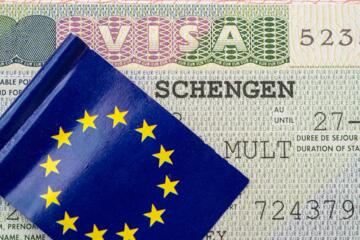
Switzerland Transit And Schengen
Switzerland applies the Schengen framework for short stays and border procedures, but transit is handled with details that matter at the moment you cross a border. If you fly into Switzerland and continue to a non-Schengen destination, you may be treated as a transit passenger, yet you can still be asked to show onward travel and meet entry conditions for the route you are taking.
“Short stop” can mean different things in practice: a flight connection with no intention to enter the country, an overnight stay in a Swiss city, or a same-day overland transfer through Swiss territory. Each scenario changes whether you need to clear immigration, whether your time counts toward a Schengen short-stay limit, and what documents border officers expect to see.
Switzerland is not part of the EU, but it participates in Schengen. That means the same general short-stay framework applies to many travelers, including the 90/180-day rule for visa-free stays in the Schengen area. The part that trips people up is that transit can still involve immigration processing, and immigration processing can still create a record that affects your 90/180 calculation.
For example, a traveler with a layover who stays airside may not receive an entry stamp, while a traveler who clears immigration to reach a hotel will almost certainly be recorded as having entered. If you are traveling with a Schengen visa, the visa validity and the number of permitted entries matter even when your stay is brief. I’ve noticed travelers often check the visa label date but ignore the “number of entries” field, which can be the difference between “allowed” and “denied” at the counter.
Common Transit Mistakes
Many problems come from treating transit as a single category. Border control decisions depend on whether you enter Switzerland’s territory, whether you clear immigration, and whether you remain under the airline’s transit arrangements.
One frequent mistake is assuming that a short stop never counts toward the 90/180-day limit. If you enter Switzerland and are admitted for a short stay, the time generally counts toward the cumulative limit across Schengen states. Another mistake is relying on a layover duration alone; a 6-hour connection can still require immigration if you must collect baggage or change terminals in a way that triggers entry processing.
Travelers also misread visa rules. A single-entry Schengen visa can be invalid for a route that requires you to leave and re-enter the Schengen area during the same trip. A multiple-entry visa can work, but only within its validity period and subject to the short-stay limit. The “transit” label on an itinerary does not override the legal effect of an entry.
Supporting technologies and systems add another layer. Airlines check documents before boarding, and border officers use passport control systems to verify identity and visa status. If your passport has no relevant stamps or if you have inconsistent records from prior trips, you may be asked to explain your travel history. This is where a careful document trail helps, even when the trip feels minor.
How To Prepare For Short Stops
Match Your Route To Entry
Start by classifying your scenario before you pack documents. If you remain airside and do not clear immigration, you are usually treated as an airside transit passenger. If you clear immigration to enter Switzerland, you are treated as having entered, even if you leave the next day.
Check your itinerary for whether you must collect checked baggage and re-check it. That step often forces immigration processing. Also check whether your onward flight departs from the same airport and whether the airline has arranged an airside connection. On a practical note, I once saw a traveler’s “same-airport connection” become an immigration stop because the airline changed terminals and required a baggage re-check; the boarding pass still looked like a connection, but the border process changed.
Then align your visa or visa-free status with the classification. If you plan to enter Switzerland, your documents must support a short stay in the Schengen area under your nationality and visa status. If you do not plan to enter, you still need the documents required for your onward destination and any transit requirements imposed by the airline.
Use The 90/180 Day Clock
For travelers who are admitted for a Schengen short stay, the 90/180-day rule is cumulative across Schengen states, including Switzerland. The count is based on days of presence, not on how long your itinerary says you will stay. If you enter Switzerland, those days generally count toward the 90 days within any rolling 180-day period.
To manage this, list your Schengen entry and exit dates for the last 180 days. Many people calculate from the day they booked the trip, which can be wrong if you entered Schengen earlier. A simple spreadsheet works better than memory, and it reduces the chance you miscount partial days.
When you have a Schengen visa, also check whether it is single-entry or multiple-entry. A single-entry visa can be used for one entry only, even if you return quickly. If you are unsure, confirm with the issuing authority or the visa application center; airline staff can check boarding requirements, but they may not interpret visa entry-count rules the way border officers do.
Carry Proof For Border Control
Border officers typically expect evidence that you will leave and that your travel is coherent. For a short stop, that usually means an onward ticket, a confirmed reservation, and documents matching the purpose of your stop.
If you are entering for a hotel stay, carry the hotel address and booking reference. If you are transiting without entering, carry the onward ticket and be ready to show that you will not enter the Schengen territory. If your passport has limited stamps, bring supporting documents such as prior visas or boarding passes that show your travel pattern.
For travelers using e-gates or automated passport control, the system still relies on the passport’s validity and the underlying visa status. If your visa is not correctly linked to your passport, you can face delays. I’ve seen travelers assume that a visa sticker alone is enough; in practice, the passport number and visa details must match the travel document used for boarding and control.
Plan For Delays And Rebooking
Short stops often fail because of operational issues: missed connections, baggage delays, or rebooking to a different airport. If you miss your connection and are forced to stay overnight, you may need to enter Switzerland, which changes your document requirements.
Before travel, check whether your airline provides rebooking options that keep you airside. If not, plan for the possibility of immigration processing. Keep digital copies of your passport, visa, and onward ticket accessible offline, since airport Wi‑Fi can be unreliable.
Also consider that a rebooked flight could change your onward destination. If your onward destination requires specific transit permissions, you may need to adjust documents quickly. This is one reason to avoid last-minute changes without checking entry requirements for the next country.
Educational Case Examples
Case 1: Airside Layover With No Immigration
A traveler from a visa-free country has a 5-hour connection in Zurich and stays airside. They have an onward boarding pass to a non-Schengen country and do not collect checked baggage. At control, they show the onward ticket if asked. Because they did not enter Switzerland’s territory, the trip does not create a Schengen short-stay presence record.
Case 2: Overnight Stop After a Missed Connection
A traveler with a multiple-entry Schengen visa misses a connection and is rebooked for the next day, requiring a hotel stay in Geneva. They clear immigration and receive entry processing. Their overnight days count toward the 90/180-day limit, and the visa must remain valid for the entry they make. If the visa were single-entry, the rebooking could still be possible, but the traveler would need to check whether the visa permits the required entry under the new route.
Transit Checklist And Tradeoffs
| Decision Point | If You Stay Airside | If You Enter Switzerland | What To Bring |
|---|---|---|---|
| Immigration Processing | Usually none | You clear passport control | Onward ticket; passport; any transit documents |
| Schengen 90/180 Impact | Typically no presence days | Presence days generally count | Your travel history dates; visa details if applicable |
| Visa Entry Count | Often not triggered | Triggered by the entry you make | Visa validity and number of entries |
| Risk From Delays | Lower, but not zero | Higher if you must stay overnight | Hotel info; rebooking plan; offline copies |
Use this step-by-step checklist before you depart:
- Write down whether you will clear immigration in Switzerland based on baggage and airport transfer rules.
- Confirm your onward ticket is confirmed and departs from the airport you will reach.
- Calculate your Schengen days for the last 180 days if you plan to enter Switzerland.
- Check your visa sticker for validity dates and number of entries; a single-entry visa can block a re-entry scenario.
- Pack a small folder with passport, visa, onward ticket, and hotel address if you might need an overnight stay.
Common Mistakes To Avoid
People often rely on the itinerary wording instead of the border reality. “Transit” on a booking page does not guarantee airside processing. If you clear immigration, you should treat the stop as an entry for rule purposes.
Another mistake is counting days incorrectly. Some travelers count only full days and ignore partial days, while border control records presence by calendar days. If your travel history is messy, you can end up with a mismatch between your calculation and the official record.
Travelers also forget that visa validity is tied to the passport used for travel. If you renew your passport and travel with an old visa that was issued for a different passport number, boarding and border control can fail. I’ve seen this happen when people carry both passports but present the wrong one at check-in.
Finally, avoid assuming that airline staff will interpret Schengen rules for you. Airlines focus on whether you meet boarding requirements for the next flight. Border officers decide entry and admission based on the legal framework and your documents at the time of control.
FAQ
Do Schengen Rules Apply In Switzerland Transit?
Switzerland follows the Schengen framework for short-stay rules and border procedures. If you enter Switzerland’s territory, your presence generally falls under the Schengen short-stay rules; if you stay airside, the situation can be different.
Does A Layover Count Toward 90/180 Days?
A layover counts toward the 90/180-day limit when you are admitted for a short stay after entering Switzerland. Airside transit without entry usually does not create presence days, but operational changes can force immigration processing.
What Documents Should I Carry For A Short Stop?
Carry your passport, onward ticket, and any visa or entry authorization that matches your travel document. If you might enter for an overnight stay, also carry hotel details and a simple travel plan that matches your itinerary.
Can A Single-Entry Schengen Visa Work For A Rebooked Route?
A single-entry visa permits one entry into the Schengen area during its validity period. If rebooking requires a new entry after you have left, the visa may not cover it, so you should check the visa’s entry count and validity dates.
What Happens If I Miss My Connection In Switzerland?
If you are rebooked and must stay overnight, you may need to clear immigration and enter Switzerland. That changes document expectations and can affect your Schengen day count, so keep offline copies of your travel documents and hotel information.
Author's Insight
Transit rules in Switzerland depend less on how an itinerary is labeled and more on what happens at passport control. The 90/180-day rule applies to short stays after entry, and visa entry counts matter when a trip requires more than one entry. Travelers reduce risk by classifying their scenario early, calculating Schengen days from actual presence dates, and carrying proof of onward travel and accommodation if entry becomes necessary.
Because border decisions can vary by individual circumstances and route details, readers should verify requirements with official sources such as Switzerland’s immigration guidance and their visa-issuing authority before departure.
Key Takeaways
- Airside transit and entering Switzerland lead to different outcomes for Schengen day counting.
- Calculate the 90/180-day limit using actual presence days if you plan to enter.
- Check visa validity dates and the number of entries; single-entry visas can fail on re-entry routes.
- Carry onward ticket proof and, if there’s any chance of an overnight stop, hotel details and offline document copies.