Why Spring Matters
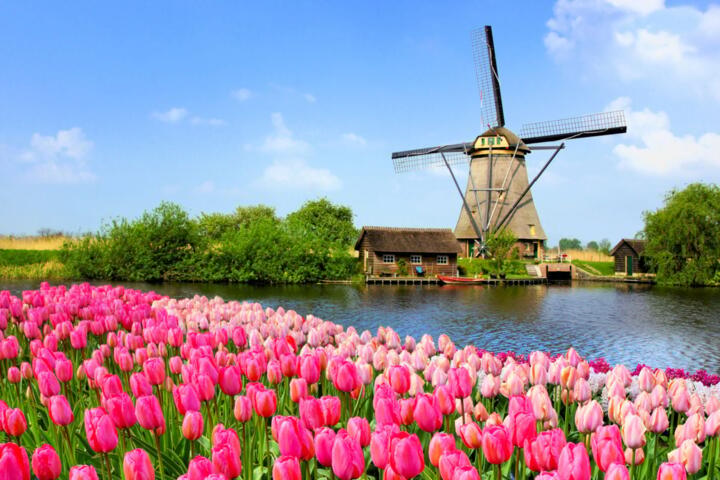
Spring transforms Europe from chilly winter gray to lush vibrancy. Temperatures average between 10 and 18°C in major cities like Paris and Rome between March and June. You witness flowering cherry blossoms in Bonn, Germany, or tulip carpets in the Netherlands. The surge in daylight—up to 16 hours by June—lets you fit more exploration into each day.
The season coincides with cultural events and local festivals that rarely appear in summer crowds, such as Seville’s Feria de Abril or Florence's Calendimaggio. The experience feels fresher, less commercialized. You avoid tourist congestion that peaks in July and August, gaining relaxed access to popular vistas and eateries.
Tickets and accommodation tend to be 15-30% cheaper than the high season. Yet, spring weather can be unpredictable, with showers or cold snaps, especially in northern and eastern Europe. Plan accordingly.
Common Travel Mistakes
Overlooking regional climate differences causes trouble. For instance, expecting Mediterranean warmth in Dublin during early April leads to unexpected chills and missed day plans. Ignoring local event calendars can mean missing out or encountering event-driven price hikes.
Booking last-minute in spring is risky. Popular cities like Amsterdam and Barcelona fill quickly with visitors drawn by events such as King’s Day or Semana Santa. Travelers often neglect footwear; slick cobblestones get slippery from sudden spring rains. Such miscalculations reduce time outdoors and inflate budgets.
Ignoring local transport quirks also adds hidden hassles. Some rural attractions remain closed till May; trains sometimes run abbreviated spring schedules. These issues disrupt daily itineraries, which, if unadjusted, lead to wasted hours scrambling for alternatives.
Best Destinations and Tips
Amsterdam’s Tulip Fields
Visit from mid-April to mid-May for full bloom. The Keukenhof Gardens spread over 32 hectares showcasing seven million flowers. Public transport links frequently shuttle visitors, keeping car traffic manageable. Cycling around, you spot traditional windmills against vibrant floral canvases.
Seville’s Feria de Abril
This week-long April festival throws visitors into Andalusian culture, featuring flamenco, horse parades, and traditional dress. Staying outside central Seville reduces high lodging prices during the fair. Local tapas bars swell with locals; join the communal flamenco shows instead of sitting reserved.
Lisbon’s Mild Warmth
Lisbon enjoys about 20°C from April through June, drying faster than northern counterparts. Explore neighborhoods like Alfama on foot without summer crowds. Tram 28 offers scenic rides without peak-season stress. Visit historic sites like the Tower of Belém with mild sun warming your steps.
Lake Bled, Slovenia
Popular for summer, springtime offers serene views of ice melting from the Julian Alps. The lake’s turquoise water reflects awakening forests. Kayak rentals start opening in May; until then, walking trails up to the castle provide expansive views. Fewer tourists share the peaceful atmosphere.
Paris in Bloom
April through June brings cherry blossoms to Parc de Sceaux and the Seine’s banks. Outdoor terraces open around the Marais district early, allowing café culture immersion. Museums extend hours on select evenings in spring, less crowded than summer, offering quality viewing without the scramble.
Provence Lavender Season
Lavender fields peak late June. If you arrive in May, you catch wildflowers and almond blossoms preluding the fragrant spectacle. Markets brim with local honey and goat cheese, surfacing from sleepy winter months. Renting a car helps explore beyond villages inaccessible by public transport.
Prague’s Cultural Pulse
Spring means numerous open-air concerts and Prague Spring Music Festival in May. City streets buzz with a blend of gothic architecture and blooming chestnut trees. Consider using a 72-hour city pass for discounted entry to museums and public transport, balancing cost with comprehensive access.
Edinburgh’s Fringe Preview
Early spring offers quiet strolls along the Royal Mile before the August festival madness. The Princes Street Gardens awake with daffodils and tulips, ideal for picnics. Go for guided walking tours focused on architecture or ghost stories, which run year-round but feel different with the gentle spring sun.
Real-Life Travel Stories
A British family chose spring for Amsterdam in April 2023. They booked two months ahead, avoiding price spikes, stayed in a canal house leveraging Airbnb’s flexible cancellation policy, and timed visits to Keukenhof on weekdays. They toured by bike, covering over 8 kilometers daily, enjoying a stress-free, colorful escape.
Another traveler skipped the Tuscany crowds by arriving late May. They drove a rented Fiat, explored Chianti vineyards before peak season, spending €70 per day on food and wine. Local trattorias offered seasonal menus featuring fresh asparagus and spring lamb, highlighting local gastronomy.
Planning Checklist
| Step | Task | Timing | Tip |
|---|---|---|---|
| 1 | Choose destination based on climate | 6 months before | Check historical weather data |
| 2 | Book flights and accommodation | 3-4 months before | Use price alert apps |
| 3 | Check local events and holidays | 2 months before | Avoid peak festivities if crowds deter |
| 4 | Pack for variable weather | 1 week before | Include waterproof shoes |
| 5 | Plan daily transport options | 1 week before | Buy city transport passes |
Avoid These Pitfalls
Booking late ignores inflated spring event demand. You miss reasonable prices and force a rigid itinerary. Relying exclusively on cars in cities like Paris or Amsterdam wastes time searching costly parking spots. Try public transit passes linked to cultural sites instead — better value and less hassle.
Neglecting to check opening hours or seasonal closures confuses trip rhythm. Not all attractions open fully before April or early May. Confirm schedules on official websites, not travel forums, which often lag behind current info by a year.
Assuming consistent spring weather is a mistake. Sudden cold fronts or persistent drizzle happen, especially from March through mid-April across northern and eastern Europe. Bring layers. This prevents abandoning plans due to discomfort. You save money, reduce noise, and the inbox stops winning.
FAQ
Is spring the best time for crowds?
Spring offers thinner crowds compared to summer but expect busy pockets during major events like Holy Week in Spain. Early spring is quieter; late May and June see rising visitors.
What should I pack for spring travel?
Layered clothing suits spring—light jackets, waterproof coats, comfortable walking shoes with grip, and a rainproof bag are key. Sunscreen helps during unexpectedly sunny days.
Are tourist sites open in early spring?
Most major sites open year-round, but some smaller attractions in rural areas or mountain regions remain closed till May. Verify in advance.
Which cities have the best spring festivals?
Seville’s Feria de Abril, Amsterdam’s King’s Day, Prague’s Music Festival, and Lisbon’s IndieLisboa film fest all highlight spring’s cultural energy.
How to handle unpredictable spring weather?
Plan flexible activities combining indoor museums and outdoor sightseeing. Check forecasts daily, carry a foldable umbrella, and choose accommodations near public transit for quick refuge.
Author's Insight
After over a decade traveling European springs, I find the subtle shifts in light and color enrich every experience. Mistakes often come from assuming spring is just a milder summer, but it’s unique. Booking early, packing smart, and embracing local timings made all my trips smoother. For instance, I once swapped a crowded July visit to Lake Bled for mid-May and found a peaceful world with the clearest water I’d seen. Spring carries its own magic if you adapt to its quirks.
What to Remember
Spring travel in Europe balances pleasant weather, cultural richness, and fewer crowds. Choose the right destination for your climate preference, book ahead, and check local events for best timing. Pack layers, plan indoor-outdoor mixes, and use transport passes to streamline movement. With these steps, the unpredictable season turns into a rewarding journey full of sights, flavors, and experience unique to those months.