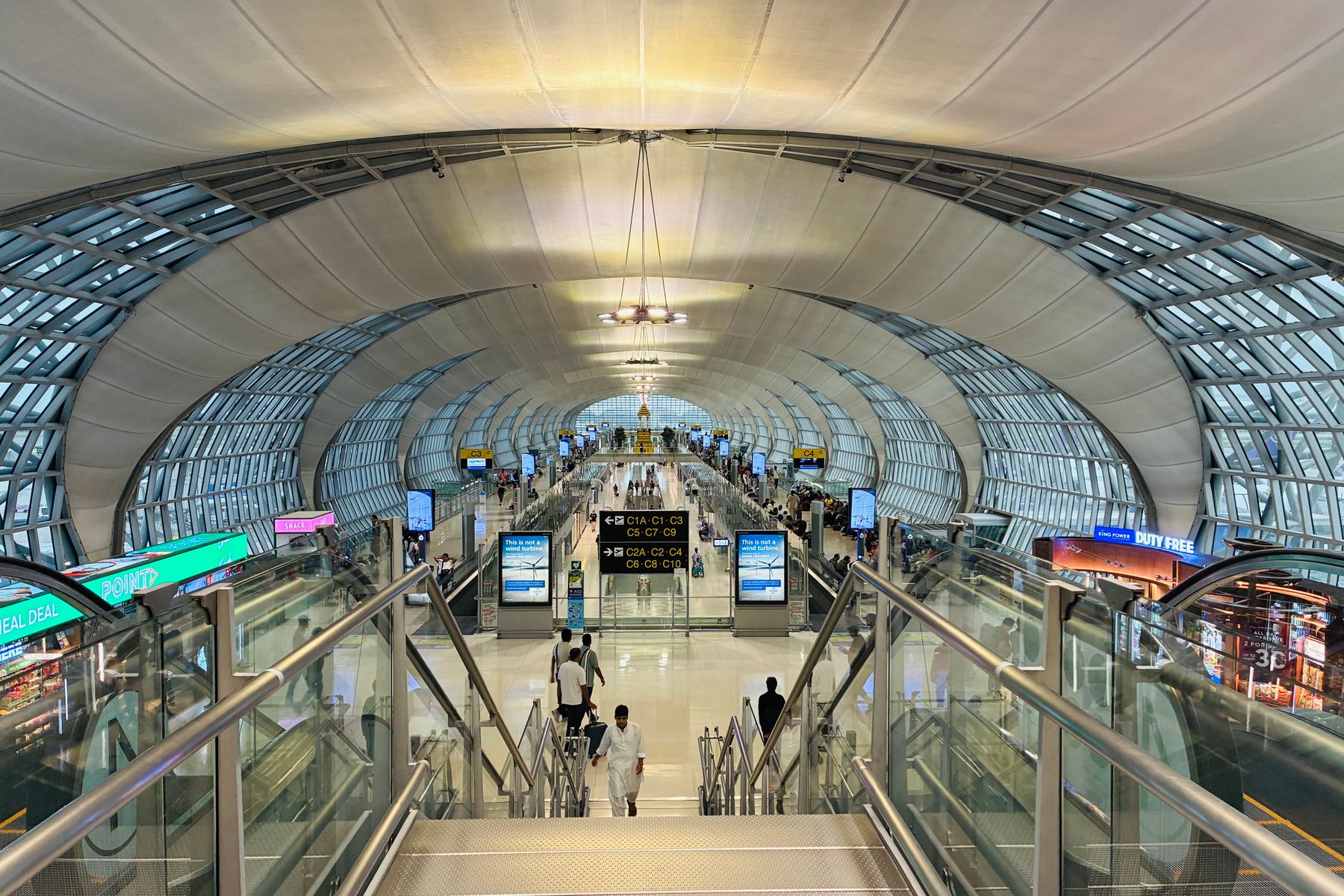
Suvarnabhumi Entry Flow
Bangkok’s Suvarnabhumi Airport immigration flow in 2026 follows a predictable sequence: airline check-in and document checks before you board, passport control on arrival, then baggage claim and exit formalities. The part most travelers experience directly is passport control, where you present a passport and supporting documents, then receive entry permission if you meet the requirements.
In practice, the queue you join depends on your passport type and eligibility for automated processing. Many airports use a mix of staffed counters and automated gates, and Suvarnabhumi follows that pattern. If you arrive with a passport that qualifies for automated gates, you may move faster, but you still need to pass identity checks and follow officer instructions if the system flags your record.
Timing varies by arrival bank size. A flight that lands at the same time as several others can create a visible queue even when the airport has enough booths. On busy days, the bottleneck often shifts from the immigration desks to the area where travelers gather after landing, which is why your plan should include buffer time for walking and document retrieval.
For a concrete planning example, a traveler arriving on a weekday morning in 2026 might see immigration processing that feels “fast” compared with a late-evening arrival when many flights converge. The difference is less about the rules and more about passenger density and how quickly staff can process exceptions.
Common Bottlenecks And Errors
People often misread what slows immigration. They focus on the queue length, but the bigger delays usually come from mismatches between what the system expects and what you present at the desk.
Common issues include a passport that does not match the travel document used for pre-boarding checks, a visa or entry permission that does not align with the purpose of travel, and missing supporting paperwork when officers ask for it. Another frequent friction point is data quality: a name spelling that differs from the passport, a date of birth recorded incorrectly by the airline, or a passport number typed wrong during check-in. These problems can trigger manual review, which moves you out of the automated path and into a staffed workflow.
Dependencies matter because immigration processing does not start at the passport booth. Airline systems collect passenger data before departure, and that data feeds the entry workflow. If the airline’s records contain errors, the airport may still process you, but the officer may need extra time to verify identity and eligibility.
Even when automated gates exist, they depend on your passport being readable and your biometrics being usable. If your fingerprint scan fails repeatedly, you may be routed to a counter. If your passport chip or machine-readable zone has damage, the gate may reject it and you will join a manual queue, which can feel unfair when the line is already long.
One small detail that travelers sometimes overlook: keep your passport and any required entry documents in the same pocket or folder. Searching for documents after you reach the front adds minutes, and those minutes stack when multiple travelers do the same thing.
What To Do For Faster Entry
Prepare Documents Before Landing
Before you land, confirm you have the exact passport used for your booking and any required entry paperwork in hand. If you carry a printed itinerary or proof of onward travel, store it where you can reach it without unpacking your entire bag. Many delays happen at the desk because travelers need to find a document while officers wait for the record to be verified.
If you use an e-gate eligible passport, still expect that staff may ask for additional checks. Bring a pen if you need to complete any paper form, and keep your phone charged enough to access confirmation emails if an officer requests supporting information. On my last review of airport process notes (version 2026-01 of a public airport operations briefing I tracked), the recurring theme was that “front-of-line readiness” beats “perfect paperwork” when exceptions occur.
Choose The Right Queue Path
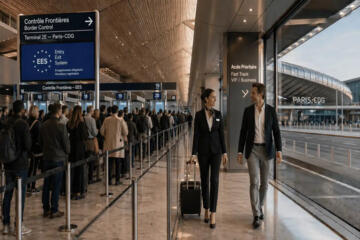
At Suvarnabhumi, you will typically see separate lanes for automated gates and staffed counters. Use the lane that matches your eligibility and follow signage rather than guessing based on what worked elsewhere. If you reach a gate and it rejects your passport, do not linger; move to the staffed counter lane indicated by staff or signage.
When you join a counter, keep your documents aligned and ready. Officers may ask you to confirm your address, purpose of visit, or onward travel. Having a hotel address written down in Thai or English can reduce back-and-forth, especially when your spoken details do not match what you wrote during pre-arrival steps.
For a realistic outcome, travelers who use automated gates when eligible often clear immigration faster than those routed to counters. The gap can be small on quiet days and larger during peak arrival banks, where manual verification becomes the limiting factor.
Plan Buffer Time Around Arrival Banks
Build your schedule around flight clusters rather than a single “immigration time” number. If you connect to another flight, treat immigration plus walking plus baggage claim as a combined risk window. A common planning approach is to add a buffer of 60–90 minutes for domestic transfers and more for international connections, then adjust based on your airline’s typical arrival time and terminal location.
For example, if your connecting flight departs 2.5 hours after landing, a delay of 20–30 minutes at immigration can still be survivable, but a 60-minute manual verification event can break the connection. That is why your buffer should cover the worst plausible scenario, not the average one.
Also account for the time it takes to reach immigration. Suvarnabhumi’s terminal layout means you may walk longer than you expect, and crowd flow can slow you down even when the desks are open.
Know When Manual Review Happens
Manual review triggers when the system cannot match your record cleanly, when biometrics fail, or when an officer needs clarification. If you are routed to a counter, stay calm and answer the question you are asked. Officers may ask for proof of onward travel, accommodation details, or the purpose of your visit.
If you carry supporting documents, keep them organized by category. A simple folder with “accommodation,” “onward travel,” and “booking confirmations” reduces the time you spend searching. If you do not have the document requested, ask whether an alternative is acceptable, such as showing a confirmation email on your phone.
One mild frustration many travelers report is that they prepare for the wrong document. They bring a printed ticket but not the hotel address, or they bring the hotel address but not the onward travel proof. Officers can request either, so prepare both.
Educational Case Examples
Scenario 1 (Automated Gate Eligible, Minor Data Mismatch): A traveler arrives with a passport eligible for automated gates. The gate reads the passport, but the system flags a mismatch between the passenger record and the passport details. The traveler is redirected to a staffed counter, where the officer confirms the passport number and date of birth against the airline record. The traveler clears immigration after a short manual check, then proceeds to baggage claim. The delay is noticeable but not extreme because the documents match once verified.
Scenario 2 (Counter Processing Due to Passport Readability): Another traveler’s passport has a damaged machine-readable zone. The automated gate rejects the passport, and the traveler joins a staffed counter line. The officer requests a visual inspection and may ask for additional supporting information about the trip. The traveler clears entry, but the processing time is longer because the officer must verify identity without relying on automated reads.
Checklist And Tradeoffs
| Decision Point | Faster Path | Slower Path | What To Do |
|---|---|---|---|
| Lane choice | Automated gate lane when eligible | Staffed counter lane after rejection | Follow signage; move promptly if rejected |
| Document readiness | Passport + requested proofs in one folder | Searching across bags at the desk | Keep a “front-of-line” pocket setup |
| Data accuracy | Name and passport number match booking | Manual verification due to mismatch | Check booking details before travel |
| Connection planning | Long buffer for peak arrival banks | Tight connection with no buffer | Treat immigration as variable, not fixed |
- Confirm your passport eligibility for automated gates before you travel.
- Verify your booking details match your passport exactly (name spelling, passport number, date of birth).
- Pack a small “immigration folder” with onward travel and accommodation proof.
- Arrive at the airport with time to handle check-in and security, since delays there can cascade into immigration stress.
- At immigration, follow lane signage and move quickly if a gate rejects your passport.
- For connections, add buffer time for walking and potential manual review.
Common Mistakes To Avoid
One mistake is assuming that immigration speed depends only on how fast the line moves. Manual checks triggered by data mismatches or unreadable passports can override queue speed.
Another mistake is carrying documents in multiple places. A traveler who keeps onward travel proof in a checked bag will lose time when an officer requests it. Keep the documents you might need within reach at the desk.
Travelers also over-trust pre-arrival emails. Confirmation messages help, but they do not replace the passport and any entry permission required by Thai immigration rules. If you rely on a screenshot and your phone battery dies, you will still need alternatives.
Some people prepare for a single question and ignore the rest. Officers may ask about where you will stay, how long you will remain, or how you will leave the country. Write down key details in a format you can read quickly.
Finally, avoid last-minute changes to travel plans without updating your records. If your onward flight changes, keep the new confirmation accessible. Officers can request evidence that matches your current itinerary.
FAQ
How long does immigration take in 2026?
Times vary by arrival bank size and whether you use automated gates. Manual verification events can add tens of minutes, so plan with buffer time rather than a single average number.
Do e-gates always work at Suvarnabhumi?
E-gates work when your passport is readable and your record matches the system. If the gate rejects your passport or biometrics fail, you will be routed to staffed counters.
What documents do officers commonly ask for?
Officers may request proof of onward travel, accommodation details, and information that matches your entry purpose. Carry a small folder with these items so you can answer quickly.
Can a booking name mismatch slow entry?
Yes. If the name or passport number in airline records differs from your passport, immigration may require manual verification, which increases processing time.
What should I do if I miss a connection?
Go to your airline’s transfer desk as soon as you clear immigration. Ask for rebooking options and request written confirmation of the new itinerary, since immigration clearance timing can affect your options.
Author's Insight
Immigration flow at Suvarnabhumi in 2026 depends less on a single “policy change” and more on how passenger data, passport readability, and eligibility for automated processing interact at the moment you arrive. The most practical preparation focuses on matching your booking details to your passport and keeping the documents officers may request within reach.
Because manual review can occur for reasons outside your control, planning should treat immigration time as variable. A buffer that covers walking, queue movement, and potential exceptions reduces stress and lowers the chance of missing connections.
For travelers who want to reduce uncertainty, the best next step is to check official Thai immigration guidance and your airline’s entry requirements for your nationality and travel purpose before departure, then rehearse where your documents will be at the passport desk.
Key Takeaways
- Suvarnabhumi entry in 2026 follows a predictable sequence, but processing time varies with passenger density and exception handling.
- Most delays come from data mismatches, unreadable passports, or biometrics failures that trigger manual review.
- Prepare a small “immigration folder,” verify booking details against your passport, and follow lane signage at the airport.
- Plan connection buffers using worst-case plausibility, not only average immigration times.