Tokyo Haneda Entry Steps
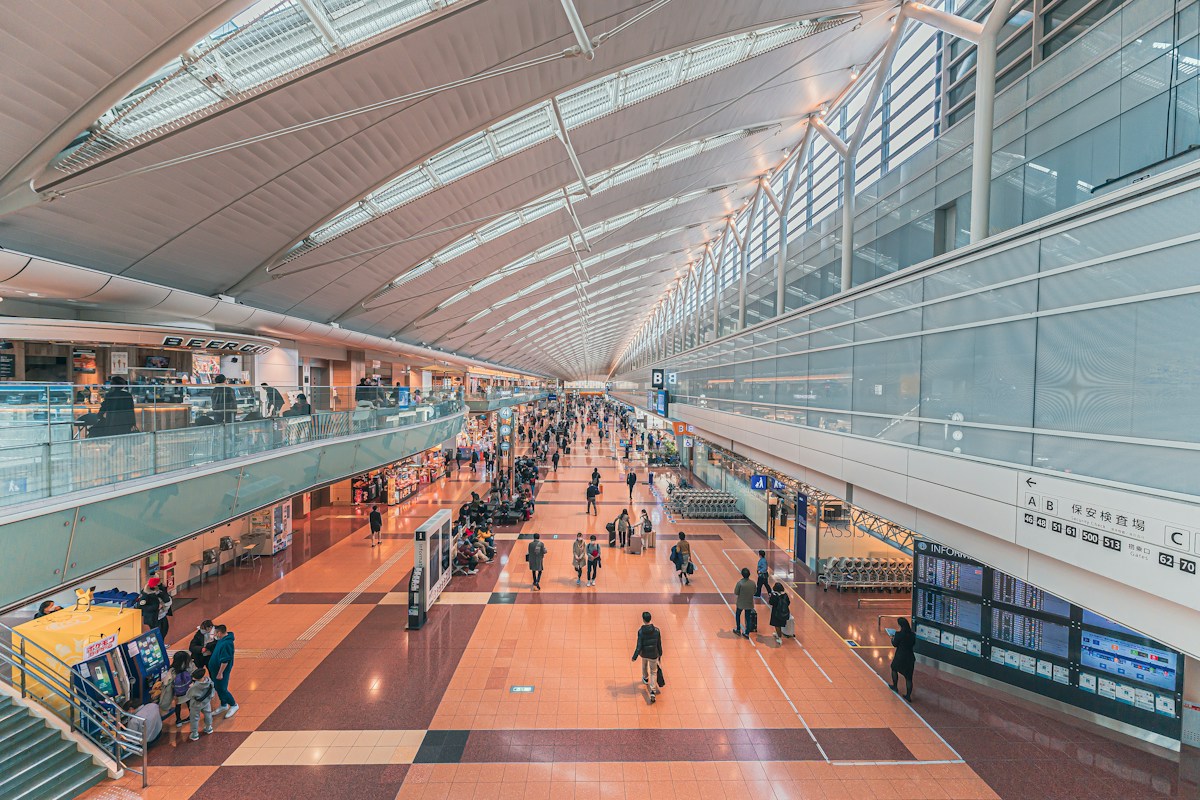
Tokyo Haneda handles international arrivals through a sequence that mixes identity checks, document review, customs declarations, and health screening. The exact flow varies by nationality, flight origin, and current public health requirements, so the safest approach is to prepare for each stage rather than assume one line covers everything. For example, you may clear immigration first, then proceed to baggage claim, then customs, and finally health-related checks if they apply to your situation.
At immigration, you present your passport and entry documents, then receive permission to enter. Customs focuses on what you bring into Japan, including items that require declaration such as certain medicines, food, and commercial quantities. Quarantine checks can involve health questionnaires and, in some cases, inspection of travel-related items. If you arrive with prescription drugs, you will want your medication list and original packaging ready, because officers can ask questions when the quantity looks unusual.
Haneda is also a major hub for connecting flights, so some travelers experience extra steps if they transfer onward. In that case, follow the airport signs for “Arrivals” versus “Transit,” because the document path differs. I once saw a traveler lose time because they followed transit signage while still holding an entry stamp requirement—small choices like that can shift your queue.
Common Pain Points
Many delays come from mismatched paperwork rather than from the airport itself. A frequent mistake is arriving with documents that look complete but do not match the details on your passport, such as a name spelling difference between a visa and a booking record. Another issue is underestimating how customs declarations work for medicines and food.
Quarantine screening depends on current rules and your travel history. People often assume that “no symptoms” means “no questions,” but health checks can still ask about recent illness, exposure, or travel to specific areas. The supporting systems behind the scenes include border-control databases, customs risk scoring, and health screening workflows that may flag travelers for additional review. When a flag triggers, the process becomes slower because officers must verify documents manually.
Some travelers also misunderstand the role of baggage. If you declare items incorrectly, the problem may surface after you collect bags, which forces you to return to the declaration point. If you pack medicines in a way that makes them hard to identify—loose tablets, no label, or no prescription copy—you may face extra scrutiny. A minor frustration: many people pack medication like they would for a weekend trip, then discover the label language does not match what the officer expects.
Solutions And Practical Advice
Prepare Documents Before Landing
Bring your passport, any required visa or entry authorization, and any health-related forms that apply to your itinerary. If you use an online pre-arrival system, print a confirmation page or save it offline on your phone in case the connection fails. For medication, keep a short list with generic names, dosage, and prescribing doctor contact details. Original packaging helps; a pharmacy label with your name and dosage reduces back-and-forth.
For a concrete example, if you take levothyroxine, keep the blister packs or pharmacy label showing the strength. If you take multiple prescriptions, group them in one pouch so you can answer questions quickly. On my last planning check, I used a simple spreadsheet and versioned it as “Haneda-Entry-Checklist v3” on 2026-01-14, then updated it when I changed one dosage.
Declare Medicines And Food
Customs declarations in Japan cover items that may be restricted or require limits, including certain medicines and foods. The safest method is to declare items that could be questioned rather than trying to guess whether they fall under a limit. If you carry prescription drugs, keep them in carry-on when possible, because you can access them during questioning without waiting for baggage.
For food, avoid bringing homemade products or items without clear labels. Packaged snacks with ingredient labels are easier to assess than mixed items in unlabeled containers. If you are traveling with baby formula or special dietary foods, keep receipts and labels, and be ready to explain quantities. Officers may ask why the quantity exceeds typical personal use.
Handle Quarantine Screening Calmly
Quarantine checks can involve questionnaires and, depending on current rules, additional inspection. Answer health questions consistently with your travel history and symptoms. If you have a medical condition that affects how you answer—such as chronic cough or a pre-existing rash—carry documentation or a short note from your clinician.
Do not try to “opt out” of health questions by rushing through. If you are asked to provide details, the delay usually comes from incomplete answers rather than from the questions themselves. A practical approach is to keep your itinerary and recent travel dates accessible, because officers may ask for dates rather than just countries.
Plan for Queue Variability
Even with correct paperwork, queues vary by time of day and flight volume. Build buffer time between arrival and any onward plans, especially if you need to clear customs and then re-check for a domestic connection. If you have a tight schedule, consider carrying essential items in your cabin bag so you can handle minor delays without losing access to medications or documents.
Some travelers also underestimate how long it takes to move from immigration to baggage claim. If you arrive on a packed aircraft, the slowest part can be the walking distance and the number of counters open. I have seen people miss a connection because they assumed “immigration first” meant “no customs later,” which is not how the airport flow works for many international arrivals.
Case Examples
Medication With Clear Labels
A traveler arrives from overseas with a one-month supply of prescription medication in original pharmacy packaging. At immigration, they present their passport and entry documents without discrepancies. At customs, they declare the medication because the quantity is higher than a typical two-week trip. During quarantine screening, they answer health questions consistently and provide a brief medication list when asked. The process takes longer than a traveler carrying only personal items, but the officer can verify details quickly because labels match the passport name.
Food Items in Unlabeled Containers
A traveler brings several homemade food items in unlabeled containers. Immigration proceeds normally, but customs questions arise because the contents cannot be verified from packaging. The traveler is asked to open containers and describe ingredients and origin. Quarantine screening may also involve additional inspection if food items raise concerns. The traveler clears the process after providing ingredient details, but the delay is driven by uncertainty rather than by a single “rule violation.”
Comparison Checklist For Travelers
| Stage | What You Provide | Common Delay Cause | How To Reduce Risk |
|---|---|---|---|
| Immigration | Passport and entry documents | Name or date mismatches | Check spellings and keep confirmations accessible |
| Customs | Declarations for restricted items | Unclear medication or food contents | Keep original labels; declare medicines/food when unsure |
| Quarantine | Health questionnaire and possible inspection | Inconsistent answers or missing dates | Answer consistently; carry a short travel-date note |
Use this checklist as a decision aid before you leave the aircraft. If you can answer each row with a document or label in hand, you reduce the chance of being sent to a secondary review line. If you cannot, slow down and fix the gap before you reach the counter.
Common Mistakes To Avoid
Do not rely on memory for medication details. Tablets and dosages change, and officers may ask for generic names or quantities. If you carry multiple strengths, keep them separated and labeled so you can show what you actually brought.
Do not pack restricted items in a way that hides them. Unlabeled containers, mixed supplements, and “mystery” powders trigger questions because they cannot be assessed quickly. If you bring food, keep it in original packaging with ingredient lists.
Do not assume quarantine screening ends at the questionnaire. Some travelers fill out forms quickly and then ignore follow-up instructions, which can lead to additional inspection. If you receive a request for more information, respond with the same facts you used on your form.
Do not treat customs as optional. Even when you think you have nothing to declare, the declaration process exists for a reason. A traveler who chooses the wrong lane can lose time because they must correct the record after bags are already moving.
FAQ
Do I need to declare prescription medicine?
Japan customs can ask about medicines, especially when quantities look beyond typical personal use. Keep original packaging and a medication list; declare the items when you are unsure how they fit the rules.
Will quarantine screening happen to every arrival?
Health screening can apply broadly through questionnaires and may include additional steps depending on current requirements and your situation. Answer questions consistently and follow any instructions given at the airport.
What documents should I keep in my carry-on?
Keep your passport, entry documents, any health forms, and a printed or offline medication list. If you carry prescription drugs, keep them accessible so you can respond during customs or health checks.
Can I bring food from my home country?
Food rules vary by item and quantity, and unlabeled or homemade foods create more uncertainty. Use original packaging with ingredient labels and declare items when you cannot confirm they meet entry requirements.
What causes the longest delays at Haneda?
Name or date mismatches, unclear declarations, and incomplete answers to health questions commonly extend processing time. Preparing labels, quantities, and travel dates reduces the chance of secondary review.
Author's Insight
Immigration, customs, and quarantine checks at Haneda follow a consistent logic: identity verification, risk-based inspection of goods, and health screening based on current rules. The practical difference for travelers is that each stage depends on different evidence—passport details for immigration, item labels and quantities for customs, and consistent health and travel information for quarantine.
Because rules can change, the most reliable planning method is to prepare a “minimum evidence set” before you land: passport and entry documents, labeled medications, and a short list of recent travel dates. When you reach a counter, officers can only act on what you can show quickly.
If you want to reduce uncertainty further, check official Japan government guidance close to your departure date and keep a screenshot of any relevant instructions in case airport Wi‑Fi is slow.
Key Takeaways
- Prepare for three separate processes: immigration (identity), customs (declared items), and quarantine (health screening).
- Keep medicines in original packaging and carry a short medication list with generic names and dosages.
- Declare food and medicines when labels or quantities make the rules unclear.
- Answer health questions consistently and keep recent travel dates accessible.
- Build buffer time for queue variability, especially if you have a connection after arrival.