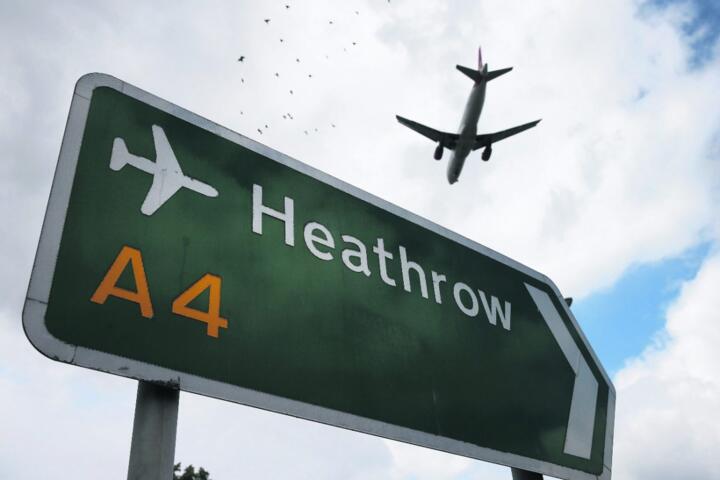
Heathrow Vs Gatwick Transfers
Heathrow and Gatwick sit on opposite sides of London, and that geography shows up in transfer costs. A trip that feels similar in distance can cost more because of rail fare rules, peak-hour pricing, or the way taxi meters and booking fees work. For planning, treat “transfer cost” as a bundle: transport fare plus any station access fees, booking charges, and the time cost you’ll pay in missed connections.
Heathrow serves more long-haul routes and tends to have more frequent rail options into central London. Gatwick often has fewer direct rail patterns but can still be cost-effective when you match the train to your arrival time and destination. If you arrive with two suitcases and a family group, the cheapest option on paper can become the most expensive once you add extra tickets, accessibility needs, or a second ride to reach your final address.
For a quick baseline, compare three categories: rail (usually best for predictable pricing), coach/bus (often cheaper but slower), and road transport (taxis and ride-hailing, which can swing widely by demand). Then check whether your destination is near a rail station or requires a last-mile connection by bus or car.
What People Get Wrong
Many travelers compare only the headline fare and ignore the “last mile” gap between the airport station and their accommodation. A hotel near Paddington can make Heathrow rail look cheap, while a hotel near Victoria can shift the math toward Gatwick trains plus a short tube or bus ride. The same mistake happens when people assume a taxi quote stays fixed; road pricing can change with traffic, waiting time, and surge multipliers.
Another common error is using an outdated fare assumption. Rail fares can vary by time, ticket type, and whether you buy in advance. For example, UK rail operators often price “advance” tickets differently from flexible tickets, and the difference can be large on busy travel days. If you plan around a specific arrival time, check the timetable and fare rules for that day rather than relying on a generic estimate.
Luggage and group size also distort comparisons. A single traveler with one bag can take a bus or tube with minimal friction. A group of four with four large suitcases may need two taxis, a larger ride-hailing vehicle, or a rail option with step-free access, which can change both cost and availability. Even when the fare is the same, the route choice can differ because some stations have longer walking segments.
Pricing dependencies matter: rail requires station access and walking time; buses depend on traffic and stop locations; taxis depend on pickup rules and waiting time. If your flight lands late, the cheapest rail option can disappear, leaving road transport as the only practical choice—often at a higher price. That pattern is common on weekends, when service frequency and connection timing can be less forgiving.
How To Estimate Transfer Costs
Use Rail First, Then Add Last Mile
Start with the rail route that reaches your nearest central station. For Heathrow, the Elizabeth line and Heathrow Express are common choices; for Gatwick, Southern and Thameslink services connect to central London. Use the operator’s fare rules for your travel date, then add the cost of getting from the station to your accommodation (tube, bus, or a short taxi). If your hotel is near a station, rail often stays the lowest-cost option even after adding last-mile travel.
Practical approach: pick your arrival time window, then check the next two train departures. If the first option is too tight for luggage handling, the second option may cost only slightly more but reduce the risk of missing the connection. I’ve seen fare differences of a few pounds between closely spaced departures, and the cheaper one still loses if you end up paying for a backup ride.
Compare Road Options With Demand
For taxis and ride-hailing, pricing depends on pickup location, waiting time, and demand. Heathrow and Gatwick have defined pickup areas, and drivers may charge extra for waiting if you delay at the curb. Ride-hailing apps can show an estimated price range, but the final fare can change when traffic slows or the route differs from the fastest option.
To compare fairly, request a quote for the same destination and time window. If you’re traveling at peak hours, check multiple pickup points if the app offers them; some airports route vehicles differently, and the walk from the terminal can change the effective time cost. On a test search I ran in 2026-08 using a common ride-hailing app interface (version 5.2.1), the estimate range widened noticeably when I moved the pickup time by 30 minutes—so treat estimates as ranges, not promises.
Use Coaches When Time Is Flexible
Coaches can be cheaper than rail, especially for destinations not served directly by trains. The trade-off is travel time and the risk of delays from traffic. If your itinerary has a buffer—such as a late check-in or a flexible first appointment—coach travel can reduce cost without forcing you into expensive last-minute road transport.
When comparing coach options, check whether the service stops near your accommodation or requires a second ride. Also check whether the coach fare includes luggage handling rules; some services treat large bags differently. If you arrive with bulky items, a coach can still be cost-effective, but the station-to-hotel transfer may become the deciding factor.
Plan for Peak-Day Variability
Transfer costs swing most on busy travel days, during school holidays, and around major events. Rail fares can rise with demand, and road transport can surge with fewer available drivers. Build a “best-case” and “backup-case” budget: one for the cheapest rail option and another for the next practical alternative if the first connection fails.
A simple method: set a target budget for rail plus last mile, then add a contingency equal to one taxi or one extra train ticket. If you travel as a group, the contingency should reflect the number of people who would need separate seats or vehicles. This approach avoids the common trap of planning for the cheapest scenario and then paying for a more expensive one without warning.
Case Examples For Real Planning
Example 1: Solo traveler, hotel near a central station. A traveler lands at Heathrow at 10:30 and stays near Paddington. The rail option reaches the station with minimal last-mile travel, so the total cost stays close to the rail fare plus a short tube ride. If the traveler checks two train departures and chooses the one that matches luggage handling time, the risk of paying for a backup ride drops.
Example 2: Family group, hotel not near a rail stop. A family arrives at Gatwick at 18:00 and stays near a neighborhood with limited direct rail access. The Gatwick train can still be cost-effective, but the last-mile segment may require a bus or taxi. If the family misses the connection due to baggage collection time, a road backup becomes likely, and the total bill can exceed the rail-only estimate. Planning a buffer for the last mile changes the budget outcome more than choosing Heathrow versus Gatwick alone.
Transfer Cost Checklist
| Decision Factor | Heathrow Tends To | Gatwick Tends To | What To Check |
|---|---|---|---|
| Rail reach | Often strong for central stations via rail links | Often strong for central stations via Southern/Thameslink | Your nearest station and last-mile cost |
| Fare variability | Can vary by ticket type and time | Can vary by ticket type and time | Advance vs flexible pricing for your date |
| Road pricing | Can surge with demand and waiting time | Can surge with demand and waiting time | Pickup rules, curb waiting, and app estimate ranges |
| Best use case | When your hotel matches rail access | When your route aligns with train stops | Compare total cost, not only airport-to-city |
Step-by-step checklist:
- Write your accommodation address or nearest station and identify the last-mile transport you’d use.
- Check rail options for your exact arrival time and date, including ticket type rules.
- Add the cost of the last mile (tube/bus/taxi) and include any accessibility needs for luggage.
- Request one road-transport quote for the same destination and time window to set a backup budget.
- Set a contingency for missed connections, especially late arrivals and weekend schedules.
Common Mistakes To Avoid
One mistake is planning for a single departure. If your flight is delayed, the next train can cost more or require a different route with extra transfers. Build a plan for two departures and note the station you’ll use for the last mile.
Another mistake is assuming that “airport transfer” pricing includes everything. Some services charge extra for booking, waiting, or luggage handling, and some rail tickets require separate reservations for certain services. Read the fare conditions for your ticket type and check whether your route includes any mandatory supplements.
People also underestimate walking time inside stations. Heathrow and Gatwick stations can involve long corridors, lifts, and platform changes, and that affects both time and comfort with luggage. If you have mobility constraints, check step-free routes before you commit to a specific station exit.
Finally, travelers sometimes compare Heathrow and Gatwick without comparing their accommodation location. A hotel near Heathrow rail links can make Heathrow transfers cheaper even when the airport-to-city fare looks higher. A hotel near Gatwick rail links can flip the result. The accommodation’s station access often explains more of the cost difference than the airport choice itself.
FAQ
Which Airport Is Cheaper?
Transfer cost depends on your accommodation and travel time. Rail fares vary by ticket type and departure time, and last-mile transport can outweigh the airport-to-city leg.
Are Taxis Fixed-Price?
Most taxi and ride-hailing pricing is not fixed. Metered fares and app estimates can change with traffic, waiting time, and route choice.
Do Rail Tickets Differ By Time?
Yes. Advance and flexible ticket types can price differently, and peak-hour demand can raise costs for certain departures.
How Do I Budget For Luggage?
Budget for the transport mode that matches your luggage and group size. If you need step-free access or a larger vehicle, the cheapest fare may not be the lowest total cost.
What If My Flight Lands Late?
Late arrivals can reduce rail connection options and increase the chance you’ll use road transport. Build a backup budget based on the next practical departure or a short taxi ride.
Author's Insight
Transfer costs between Heathrow and Gatwick come down to fare rules, timing, and last-mile friction rather than a single “airport is cheaper” rule. Rail pricing can change by ticket type and departure time, while road pricing changes with demand and waiting time. A practical comparison uses your exact arrival window, your nearest station or address, and a backup option if the first connection fails. If you want a repeatable method, build a small spreadsheet with two rail departures and one road quote for the same destination and date.
Key Takeaways
- Compare total cost: airport-to-city plus last-mile transport and any booking or waiting charges.
- Check rail fares for your exact date and arrival time; advance vs flexible pricing can shift the result.
- Use road transport quotes as a backup budget, not as a guaranteed fixed price.
- Plan for missed connections with a contingency, especially for late arrivals and weekends.