When to Visit Italy First
Planning your initial trip to Italy involves a lot more than picking a flight. Italy’s weather ranges dramatically—from snowy Alpine peaks to sun-drenched coasts. Typically, late spring and early autumn offer mild temperatures, around 15-22°C, and manageable crowds. For example, visiting Rome in May rewards you with blooming gardens and festivals such as Festa della Primavera, but July brings heat spikes often above 30°C and throngs of tourists.
Italy welcomed 58 million tourists in 2019, but most concentrated in June to August. That influx means higher prices and booked-out hotels. Narrowing down the timeframe can help avoid overrunning cities like Venice and Florence. Several regions feel totally different depending on the month you arrive.
Short bursts of nicer weather are worth targeting. May, September, and October consistently offer temperate climate while keeping off-peak pricing. These months yield longer daylight hours without the chaos of summer-heavy crowds on trains and historic sites.
Pitfalls First-Timers Face
Many new travelers underestimate how hot the Italian summer can be, especially in urban areas lacking air conditioning in older buildings. Visitors frequently pack light summer outfits but miss that evenings might still chill, especially in northern Italy.
Ignoring Italy’s cultural calendar leads to bumped reservations and closed museums. August is infamous for the widespread closure of shops and restaurants during Ferragosto when many locals disappear to coastlines or countryside. Tourists are often left scrambling.
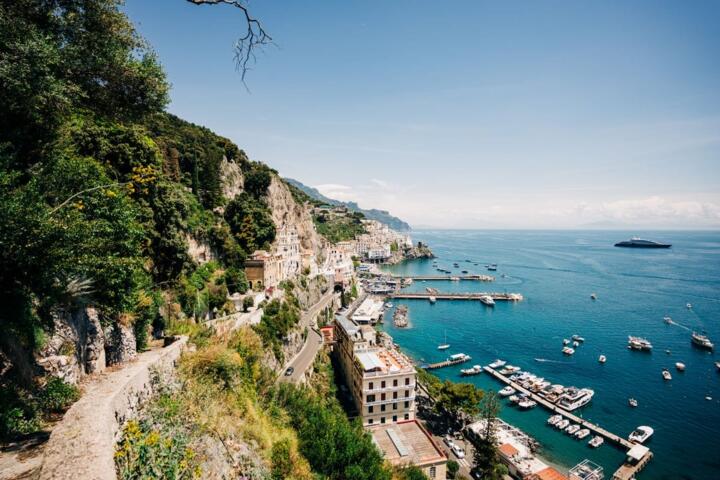
Choosing a travel period without considering regional weather creates unpleasant experiences. The Amalfi Coast in December, for instance, is quiet but rainy, hindering beach or boat excursions. Northern mountainous areas can freeze in winter, good for skiing but less for casual sightseeing.
Tourist capacity affects your experience greatly: Overcrowded landmark sites in Venice by July or Rome by August can feel like bottlenecks rather than enchanting visits. Lines stretch for hours, and local transport can become unbearable.
Tips and Techniques
Spring: Avoid Crowds
Spring, especially April to mid-June, means vibrant landscapes, fewer tourists, and moderate costs. The weather fluctuates—comfortable for urban tours, though some rain can lurk. Cities like Florence become manageable, with daily temperatures averaging 18°C. Booking trains with Trenitalia at least two weeks ahead secures cheaper fares and seats.
Fall: Mild & Magical
September and October feature calm, fewer crowds, and milder weather averaging 20°C. Harvest festivals in Tuscany, like the Wine Festival in Greve, give travelers an insider’s look at local culture and cuisine. Hotel prices tend to drop 15–25% compared to summer highs, especially in smaller towns.
Winter: Ski vs. City
If skiing interests you, winters from December through February shine with snow across the Alps and Dolomites, with temperatures below freezing. Cities, meanwhile, see fewer tourists—ideal for museum visits but brace for chilly, damp weather that sometimes dips below 5°C. Some outdoor sites, like Pompeii, close during heavy rains.
Summer: Beaches & Festivals
Summer (July–August) suits beach lovers and festival-goers but expect dense crowds, heat surges above 30°C, and inflated prices. Coastal areas like Sardinia and Sicily reach their peak in August, hitting temperatures of over 35°C. Accommodations should be booked several months in advance, and an air-conditioned room is almost mandatory. Avoid cities mid-August—Ferragosto closures spoil plans.
Regional Variance
Choose regions according to your goals: Northern Italy cools earlier and snows late, so seasons vary sharply from coastal south. Venice floods regularly in autumn; some travelers prefer spring visits to dodge acqua alta. Coastal Amalfi thrives in summer but quiets outside the May to September window, which affects ferry schedules.
Using Online Tools
Weather apps (Accuweather version 7.5 still best) and tourist flow trackers help predict crowding in real-time. Google Trends can give insights on when interest spikes for specific destinations. Websites like Italia.it update seasonal closures and events dynamically.
Booking Early
Reserve lodging at least three months prior for spring and summer trips to avoid skyrocketing prices. Services like Airbnb and Booking.com allow filtering for air conditioning, early check-in, and cancellation policies. Combining these ensures smoother travel—last summer, 70% of users booking late saw cost increases.
Mixing Seasons
Consider splitting your trip between months, like late September into early October. This balances weather, cultural experience, and price. Trains run frequently with regional lines reducing disruptions. It might mean chilly mornings but balanced days.
Local Festivals
Schedule your trip to coincide with events like Venice Biennale (every odd year May-November), Umbria Jazz (July), or the Palio di Siena (July and August). These add experiential depth and crowd density—with the right timing, you win.
Real-World Trip Examples
Company L, a small tour operator, sent groups to Italy in late April 2023. They avoided the summer rush, capitalizing on lower hotel rates by 30%, yielding savings passed to clients who rated satisfaction 15% higher on TripAdvisor. Museums had shorter lines, and clients sampled wine harvest preparations.
Case of individual traveler J, who visited northern Italy in August 2022, highlighted the drawbacks of heavy tourist seasons. She found Venice unbearably crowded; most restaurants closed mid-month for Ferragosto. After switching plans, she explored Lake Garda and excursions inland, which was far quieter.
Trip Timing Strategies
| Month | Crowds | Weather | Special Notes |
|---|---|---|---|
| April-June | Low-Moderate | Mild, Some Rain | Spring festivals; good train availability |
| July-August | High | Hot, Humid | Ferragosto closures; crowded coastal beaches |
| September-October | Low | Mild, Dry | Harvest festivals; lower hotel cost |
| November-March | Very Low | Cold, Rain/Snow | Skiing in north; city museum visits; limited ferry services |
Planning Mistakes to Skip
Booking last minute during peak summer increases costs by at least 40%. Don’t assume air conditioning is a hotel standard, especially in historic quarters. Carry layered clothing; mornings and nights can surprise you.
Failing to check local holidays, like Liberation Day (April 25), means potential transport strikes or closed landmarks. Relying solely on guides without adjusting for seasonal shifts leads to missed opportunities. Avoid trying to cram cities in less than three days each — you end up exhausted and barely scratch the surface.
Rely on official tourism websites for up-to-date schedules; local Facebook pages or Instagram accounts can reveal pop-up events or closures. And don’t overlook small towns; Tuscany’s Chianti region in May will stun you far more than crowded urban squares.
FAQ
What months have best weather in Italy?
Late April to early June and September tend to have the mildest weather with less rain and comfortable temperatures around 15-22°C.
Is August a bad time to visit Italy?
August can be uncomfortably hot and crowded, especially in cities. Many locals vacation during Ferragosto, which closes shops and restaurants, limiting tourist options.
Are Italian trains reliable in spring?
Yes, springtime trains, especially Trenitalia's intercity services, run frequently and on time, with lower tourist volumes making booking easier.
Which cities are less crowded in autumn?
Florence, Rome, and Venice see fewer tourists in September-October, making it easier to explore museums and historical sites without long lines.
Can I do beach trips outside summer?
Coastal trips in late spring or early fall offer pleasant temperatures and fewer crowds but swimming might be cooler, especially north of Sicily.
Author's Insight
My first trip was in early May, and the colors and calm atmosphere made every city walk a joy. I noticed firsthand how different Italy feels off-peak — better access to venues and less hustle. Sometimes that means dodging rain or cooler nights, but the tradeoff is worth it. Booking months ahead and tracking local events saved me headaches, especially in Rome and Venice.
Key Points
Pick spring or autumn months to dodge intense heat and excessive tourists. Research regional climates and cultural happenings—this influences your comfort and chances to explore. Avoid August city stays, and be ready for weather quirks. Booking early and mixing urban with rural areas crafts a richer trip. Italy rewards patience, so plan smart and enjoy fully.