Tokyo Transport Basics
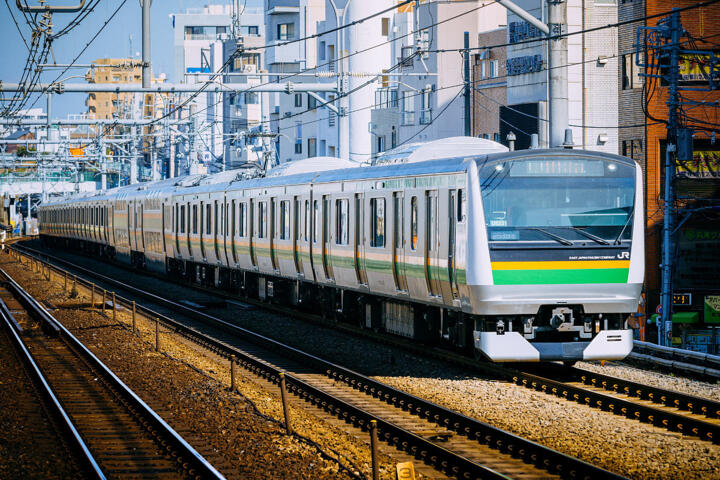
Tokyo operates one of the busiest transport networks worldwide, handling over 40 million daily passengers across subways, trains, and buses. Many visitors expect straightforward travel like in Western cities, but Tokyo's system blends multiple operators, complex fare structures, and rush-hour challenges. For example, JR East runs much of the intercity rail, while Tokyo Metro and Toei Subway manage the city’s underground lines. These are separate entities with different tickets.
The complexity causes confusion at stations like Shinjuku, where over 3 million ride daily yet platforms serve several competing companies. Tokyo stations often resemble small cities: vast, multi-leveled, and with unmarked transfers if you don’t know what you’re looking for.
Getting around means grasping subtle distinctions, not just downloading an app and blindly boarding the first train.
Common Tourist Missteps
Many first-timers assume single-ticket convenience, but Tokyo charges depend on operator and line. Buying a Suica or Pasmo prepaid card feels intuitive but some expect it covers all fares uniformly. It doesn’t. For example, some private railway lines require additional fees beyond these cards.
Another common mistake is using apps or maps designed for locals, which omit tourist passes and special routes. Relying on Google Maps can mislead since it sometimes defaults to daily commuter options, ignoring cheaper, faster routes possible via subway transfers.
During rush hours, trains pack tightly. Tourists unaware of this end up frustrated or dangerously delaying boarding at stations like Ikebukuro or Shibuya, which squeeze more than 2 million passengers daily combined.
Practical Solutions and Tips
Buy and Load a Suica or Pasmo Card
Get these rechargeable IC cards immediately at airports or major stations. They work across most trains, buses, and even convenience stores. Reloading is flexible, done at machines accepting cash or cards. Using one saves time compared to buying single tickets each ride and reduces entry errors.
Select the Right Rail Pass
Passes like the Tokyo Metro 24-hour ticket sets a fixed daily cost and covers unlimited rides on both Tokyo Metro and Toei Subway lines, ideal for tourists moving within central Tokyo. Buying these is cheaper than multiple ride tickets if you plan more than three trips daily. Buy at major stations or online beforehand.
Master Line Transfers
Plan your route to avoid separate station exits where transfers require re-entering and paying again. For instance, transferring between Toei Oedo Line and Tokyo Metro Marunouchi Line at Akasaka-mitsuke station involves a long walk and separate fares. Taking longer but singular-line routes often reduces time and keeps ticket costs down.
Use Apps for Tourists
The Japan Travel by Navitime app includes comprehensive updates for non-resident travelers, providing real-time connections, fare calculations, and station layouts. Google Maps, while good, sometimes misses nuances like platform changes or disputed fares between company lines.
Ride Outside Rush Hours
Tokyo’s rush hours occur roughly 7–9 a.m. and 5–7 p.m. Trains at these times are nearly full. Traveling half an hour earlier or later offers vastly more comfort, speed, and a better chance of seating. If must travel busy hours, small interventions like standing toward a car's center can reduce discomfort.
Consider Bicycle Rentals
Tokyo is surprisingly bicycle-friendly in many districts, especially in less central wards like Setagaya or Nakameguro. Bike rental stores and services like docomo bike share have thousands of bikes with hourly plans costing around 200 yen for 30 minutes. Bicycles give flexibility where transit doesn’t cover last-mile gaps.
Understand Station Exits
Many stations feature multiple numbered exits that open onto different streets—choosing the wrong one can add a 10–15 minute walk. For example, Shibuya Station has over 20 exits including the famous Hachiko Exit. Confirm your destination’s preferred exit using station maps or on-site signposts.
Set Time Buffers
Walking between connected lines or changing from train to bus is rarely instantaneous. Budget at least 10 minutes during transfers, especially at complex hubs like Tokyo Station or Ikebukuro. Skipping this can cause missed connections—annoyingly common for inexperienced visitors.
Carry Cash for Emergencies
While most places accept cards, some smaller station kiosks, certain vending machines, and older ticket machines require cash—usually 100 or 1000 yen bills. Fumbling for coins or discovering limited payment options at 11 a.m. on a weekday never feels convenient, which is why I always have 2000 yen notes tucked inside my wallet.
Real-Life Examples
A small tour group of 8 from Australia visited Tokyo and initially bought individual tickets every ride, leading to overpaying by 15% during 5 days. Switching to a 72-hour Metro pass saved them roughly 2,000 yen each, nearly the cost of a dinner.
Another case involved a freelance photographer working on a assignment near Shinjuku and Harajuku. She often underestimated walking times between transfers, which prolonged her commute by 20 minutes daily, costing her a potential meeting. After mapping routes with the Navitime app and adjusting travel time, punctuality improved by 100%.
Transport Comparison
| Transport | Cost | Coverage | Speed |
|---|---|---|---|
| Tokyo Metro | ¥170–320 | Central Tokyo | High |
| JR East Lines | ¥140–400 | Metro & suburbs | High |
| Toei Subway | ¥170–320 | Central Tokyo | Moderate |
| City Buses | ¥210 flat | Metro area | Slow |
Frequent Errors
Relying on single-operator tickets often leads to paying twice for one trip. Tourists sometimes forget to tap cards at both entry and exit gates, resulting in maximum fare charges. Many confuse signage at large transfer stations and exit on wrong platforms, causing extended walking. Approaching a ticket machine without Japanese input or a suitable language option means losing time navigating complex menus, which, frankly, most people skip reading carefully.
Overestimating walking speed between lines is frequent—the distances sometimes match half a mile, misleading those who expect short transfers. Underpacking cash or assuming IC cards cover bus fares everywhere occasionally strands travelers without payment options.
FAQ
Do I need a rail pass for Tokyo?
A rail pass isn't required. Single tickets or rechargeable cards often suffice, but passes like the Tokyo Metro 24-hour ticket can lower costs if traveling multiple times a day.
Can I use a Suica card on all trains?
Suica covers most trains, subways, and buses in Tokyo, but some private railways and outlying lines may require separate fares or tickets.
Is Google Maps reliable for Tokyo transit routes?
Google Maps works but may miss fare nuances and station transfers. Apps designed for foreign visitors, like Japan Travel by Navitime, offer more detailed and accurate info.
What are rush hour times in Tokyo?
Rush hours usually run from 7 to 9 a.m. and 5 to 7 p.m., creating very crowded trains, particularly on lines serving business districts.
Are taxis a good choice for getting around?
Taxis in Tokyo are clean and safe but expensive. They are practical only for late-night trips or when traveling with luggage and groups.
Author's Insight
After spending more than 3 years living in Tokyo, I realized the biggest travel mistake is underestimating the time stations eat up. I always pack a small bottle of water and download the Navitime app, version 4.7, for real-time updates. Avoiding rush hours saved me endless frustration. Tokyo's transit isn’t a puzzle with a single solution—it's a layered experience requiring patience and knowledge.
Key Points
Save stress by purchasing and loading an IC card immediately. Plan routes using apps built for visitors. Opt for transport passes if making multiple journeys daily. Factor in walking and transfer time in large stations. Avoid rush hours and keep some cash for small purchases. These steps turn Tokyo’s complex transit system into manageable daily travel, helping newcomers explore more with less hassle.