Winter Travel Across Europe
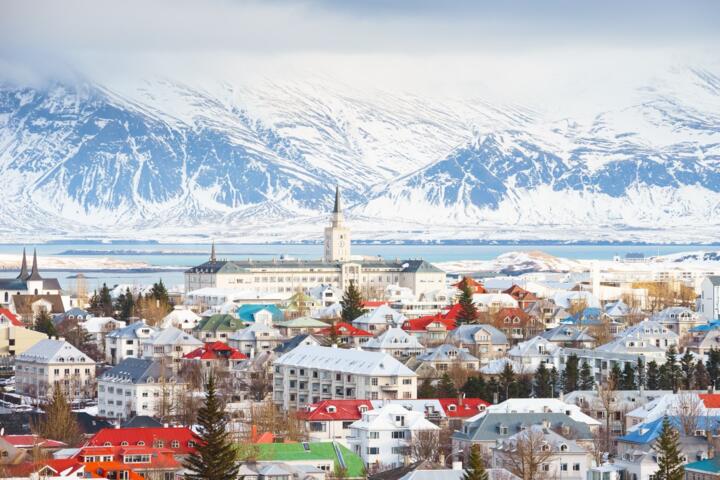
Europe transforms remarkably in winter. Unlike the crowded summer months, December through February offers a quieter, sometimes starkly beautiful experience. For example, Copenhagen’s Tivoli Gardens hosts over 1,000 Christmas lights, attracting visitors with a unique Nordic atmosphere. Meanwhile, the French Alps recorded 200+ cm of snowfall in January 2023, ideal for ski enthusiasts.
Winter tourism here isn't just about cold and snow; it includes markets, culture, and scenic landscapes. Cities like Prague freeze their rivers, creating natural ice rinks near historic architecture. The variety across Europe's countries in winter means every traveler finds something different — from mild coastal temperatures to Arctic chills.
You don’t need heavy layers in Lisbon, but pack well in Lapland. The contrast stretches from southern Spain, still boasting 15°C days, to mountainous Bulgaria, where skiers chase powder over 2,500 meters high.
Common Winter Travel Errors
Many travelers pick popular winter spots based on clichés, not data. Some underestimate how cold or dark northern Europe gets. This can turn a dream trip into days stuck indoors or outdoors unprepared. Another mistake involves ignoring transport disruptions from snow or ice, which can lead to canceled trains or delayed flights.
Misreading local events also affects plans: some Christmas markets open from mid-November, while others start just before Christmas. Tourists often crowd these spots during weekends, creating long lines they expected to miss.
Booking accommodations without considering heating standards results in uncomfortable nights. Many Europeans prefer efficient radiators; some vacation homes rely on wood stoves, which might not suit all.
Tips for Winter Trips
Choose destinations based on interests
Pick cities for culture, like Vienna or Tallinn, known for their winter concerts and Christmas markets. These places host more than a dozen markets each, plus classical music. Alternatively, ski resorts such as Chamonix offer steep daily runs, perfect for intermediate to expert skiers.
Check local weather data before booking
Use apps like MeteoGroup or Windy to track temperature trends and snowfall predictions. In December 2022, Tromsø experienced -10°C average with six hours of daylight, influencing sightseeing choices. Knowing this ahead lets you pack appropriate clothing.
Book accommodations with heating ratings
Online platforms like Airbnb now list heating types. Look for apartments with central heating or heat pumps. Reviews often mention temperature comfort. This can improve sleep quality during the coldest months.
Try local winter activities beyond skiing
Consider ice fishing in Finland, which includes warm reed huts and traditional meals. Or explore Sevilla’s milder season by visiting tapas bars without the summer crowds. These activities enrich a trip with authentic experiences.
Plan transport with winter in mind
Trains in Switzerland use heated switches to avoid snow delays. Book early and reserve seats during holiday periods. Bus services in some high-altitude areas might reduce schedules in January, something to factor into itineraries.
Visit less crowded sites
Many overlook cities like Porto in winter, which averages 12°C and fewer tourists. You gain access to historic sites like Livraria Lello almost empty, avoiding crowds common in warmer months.
Pack smart for layering
Wool blends, thermal underlayers, and waterproof outerwear help adapt to variable weather. Don't rely only on thick sweaters; temperature often fluctuates inside buildings and outdoors.
Use local guides for hidden gems
Local companies offer winter tours to spots like Slovakian ice caves or Austria’s Salzburg Christmas light shows. These guides add context, saving time and getting you past usual tourist barriers.
Embrace local cuisine
Winter specialties in Europe vary widely: Swiss fondue, Polish pierogi, or Italian truffle dishes. Trying regional dishes adds warmth and pleasure, and supports local businesses.
Examples from Real Trips
A solo traveler in 2022 selected Bergen, Norway, for its dramatic fjords and winter hiking. Despite waiting three hours for a ferry delayed by ice, the midweek experience avoided tourist crush and costs dropped 20% compared to summer. She booked a guesthouse with a sauna, gaining recovery after cold days.
A family of five exhausted by crowded Paris during Christmas shifted plans to Budapest in January 2024. They stayed in a centrally heated apartment and booked thermal baths visits, cutting entertainment expenses by 30%. The city’s festive illuminations spread over 10 kilometers of streets, providing free, lively entertainment.
Winter Travel Checklist
| Item | Purpose | Example | When needed |
|---|---|---|---|
| Thermal underwear | Extra warmth | Merino wool base layer | Below 5°C |
| Weather apps | Forecast updates | Windy, MeteoGroup | Before trips |
| Travel insurance | Winter disruptions | Allianz Snow Care | All trips |
| Local SIM card | Connectivity | Vodafone, Orange | Navigating remote areas |
| Waterproof shoes | Wet snow protection | Sorel boots | Snowy conditions |
Frequent Pitfalls in Winter
Booking flights close to big holidays often means paying twice the usual fare. Avoid this by securing tickets two to three months in advance. Carry chains in cars; roads in the Alps close without them. People miss that, stuck for hours.
Ignoring daylight hours limits sightseeing. For example, Norway offers only about 3 hours in December, posing a challenge for self-guided tours. Local transport might not adapt fully, leaving tourists stranded.
Overpacking bulky clothes instead of layering leads to luggage headaches. Focus on versatile items that work indoors and out.
FAQ
What is Europe’s warmest winter city?
Lisbon averages 15°C in winter, making it one of the warmer urban destinations with mild weather and vibrant culture.
Are Christmas markets open throughout Europe?
Most start mid-November and run until just after Christmas, but dates vary by city and country, so check local schedules.
Can I ski in cities like Prague?
No, Prague does not have ski slopes, but winter sports are accessible outside the city, e.g., in the Krkonoše Mountains, about two hours away.
How to cope with limited daylight in Scandinavia?
Plan indoor activities like museums, cafes, and concerts. Step outside during brief daylight for key sights and enjoy the unique twilight.
Is winter travel more expensive than summer?
It depends. Ski resorts peak in winter, increasing costs, but many cities offer off-season discounts after the holiday period.
Author's Insight
Having spent winters traveling through Europe, I learned that preparation beats luck. For instance, once I picked a Berlin Airbnb without heating, and it was painfully cold despite good reviews. Since then, I always check heating types deeply. Also, embracing local winter customs, like mulled wine tastings in Germany or midnight sun chases in Iceland, enrich trips beyond the usual tourist lens.
My personal favorite is Salzburg for its compact size and Christmas vibe, where walking between markets feels like a stroll through a festive postcard. The cold matters, but apparel and mindset override discomfort.
Final Thoughts
Europe’s winter offers varied climates and experiences from frozen fjords to festive city squares. Selecting destinations based on weather, activities, and logistics prevents pitfalls like discomfort and wasted time. Use specialized tools to check forecasts and accommodations with reliable heating. Layer clothing and explore local customs to maximize enjoyment. Booking smartly and timing your visit can cut costs and avoid crowds, delivering a richer winter adventure.