Bangkok's Lodging Options
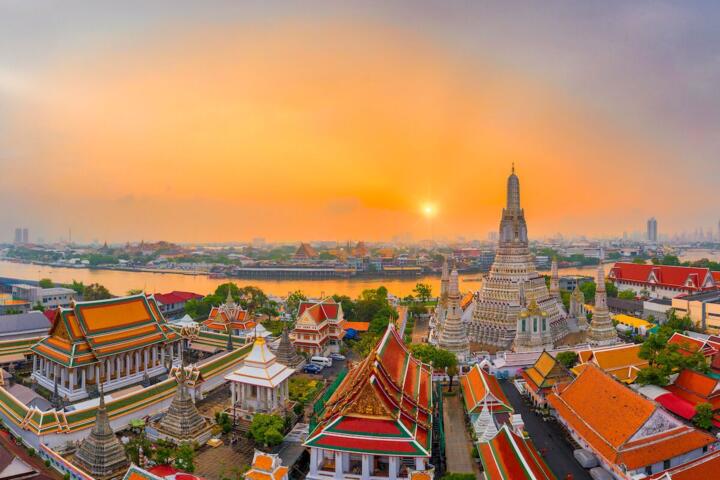
Bangkok, one of Asia's busiest urban hubs, offers lodging choices that vary wildly from budget hostels at 300 THB per night to luxury hotels costing upwards of 10,000 THB. The city sprawls along the Chao Phraya River, with neighborhoods each embodying distinct characters. For example, Sukhumvit caters to nightlife and expats, while the Old City attracts culture seekers. In 2019, Bangkok ranked as the world's most visited city, drawing nearly 23 million tourists—so the choices can overwhelm first-timers.
Walkability, convenience to BTS Skytrain or MRT, and safety heavily influence accommodation quality. These factors usually beat proximity to any single sight; with Bangkok's traffic jams, location relative to transport saves hours weekly. Avoiding highly touristy zones during local holidays spikes prices dramatically—a fact reflected in hotel booking trends doubling during Songkran.
Pitfalls in Choosing Where
One error travelers make: booking purely on price without vetting neighborhood vibes or transport links. Staying by Khao San Road sounds fun but it becomes loud and chaotic late at night, sometimes lasting till dawn. Similarly, areas centered around Patpong Night Market pose safety concerns—pickpocket incidents surge here after dark.
Ignoring Bangkok’s monsoon season (typically July to October) leads to disappointment—long downpours impact accessibility to open-air markets and river ferries. I once booked a riverside guesthouse in August, and flooding cut off roads for hours daily. And you cannot skip the BTS Sukhumvit line during peak hours—it gets so packed that sometimes trains skip stops.
These mistakes reduce trip satisfaction, add hidden costs, and waste vacation time. Small wrong choices make a big impact in a city this vast.
Things to Pick and Avoid
Choose Riverside Areas with Transport Links
The riverside neighborhoods like Thonburi and Sathorn offer scenic views plus access to river boats serving 12 stops. They relieve the congested BTS trains by offering an alternative. For example, budget boutique hotels in these areas average $45 per night but keep you tucked away from chaos. Check rates on Agoda or Booking.com filtered by proximity to piers such as Saphan Taksin.
Stay Around BTS Stations on Weekdays
The BTS Skytrain covers major districts: Sukhumvit, Silom, and Mo Chit. Booking a hotel within 300 meters of stations like Asok or Phrom Phong slashes taxi expenses and travel time. Weekday commutes provide a truer feel of these areas without the weekend crowds at malls like Terminal 21. I use Google Maps with Street View to verify the walking route before booking.
Rent Serviced Apartments for Longer Visits
For stays over two weeks, serviced apartments like those from Citadines or Oakwood in districts like Ekkamai add kitchen facilities and laundry, making life easier and cheaper than daily eating out. These options often include shuttle services to BTS, avoiding reliance on tuk-tuks. Monthly rates start at $600, beating hotel costs if you plan to stay a month.
Avoid the Khao San Road Zone at Night
While famous, this area becomes overly loud. Noise complaints spike even among locals, and the persistent hawkers can exhaust you. It’s fine for a quick day trip to explore temples nearby, but skip as a sleep zone. Checking online reviews illustrates repeated complains about sleep quality here.
Use Ride-Hailing Apps Wisely
Grab and Bolt networks dominate Bangkok’s street transport. They work well but beware surges during rush hour or bad weather boosting fares 3x. Plan your rides 10-15 minutes ahead and avoid requests near popular nightlife spots after 11 pm. In my 2023 trip, I observed surge pricing hitting nearly 500 THB for a 5 km ride on a Tuesday night.
Book Hotels with Elevator Access
Many budget guesthouses still lack elevators, a pain for those with luggage or mobility issues. Verify by calling the hotel or checking Google reviews. Elevators in multistory buildings become a convenience you barely notice until you stay somewhere without one, especially if heavy rains flood lower floors.
Skip Night Markets Too Touristy
Patpong and Rot Fai Market Ratchada lure crowds but with overpriced drinks and knockoff goods. Try smaller markets like Artbox or Talad Neon for better authentic finds and fewer tourists. Food vendors at these smaller markets often source local, fresh ingredients—not the reheated or frozen meals common elsewhere.
Look for Free Wi-Fi with Stable Signals
Accommodation with free Wi-Fi varies hugely in quality. Read recent guest comments focusing on internet speed and reliability, especially if you work remotely. Many cafes post speeds in Mbps on their boards; choose places with 30+ Mbps if streaming is crucial. I keep a pocket router (model Huawei E5785) as backup since hotel Wi-Fi occasionally drops.
Timing Matters: Book Early or Last Minute
Booking 1-3 months ahead can result in 20-30% savings on popular hotels during holidays. But last-minute apps like HotelQuickly sometimes flash steep discounts for the evening. Experiment with both depending on your flexibility and the season.
Real-Life Examples
A US-based digital nomad stayed 6 weeks in Ekkamai, renting a serviced apartment at 18,000 THB/month, including utilities. She reported spending 60% less overall than hotels and saved two hours daily commuting by using nearby BTS and bike rentals. Her internet speed averaged 50 Mbps, allowing Zoom calls without drops.
Another traveler booked a budget hostel on Khao San and, after 3 nights of poor sleep due to noise and street congestion, moved to Ari district. The switch improved rest, and although it required an additional 15 minutes on the MRT, overall daily energy and enjoyment increased noticeably.
Hotel vs. Serviced Stay
| Type | Cost | Convenience | Amenities |
|---|---|---|---|
| Hotel | $40–$100/night | High walkability in city | Daily cleaning, pools |
| Serviced Apt. | $600/month avg | Near BTS, quieter | Kitchen, laundry |
What Not to Do
Never book a room without checking recent guest reviews; photos mislead often. Don’t rely solely on star ratings since some 4-star hotels behave like 2-star during renovation. Avoid last-minute taxi haggling outside hotels — use apps instead to avoid hidden fees. Ignore areas without public transport access unless you plan to rent a scooter, which many international tourists skip due to unfamiliar roads. And skipping travel insurance in a metropolitan city with complex public health can cause problems that derail your trip entirely.
FAQ
Which is safest Bangkok district to stay in?
Sukhumvit, Silom, and Ari all maintain good safety records, especially near BTS stations. Avoid poorly lit alleyways and check recent reports for disruptive protests or events.
How to get from airport to downtown cheaply?
The Airport Rail Link connects Suvarnabhumi Airport to BTS city lines for about 45 THB, beating taxi fares which start near 300 THB during traffic.
Is it better to book hotels or Airbnb?
Hotels offer consistent service and backups in case of issues. Airbnb might provide local experiences but lacks regulated standards; check reviews carefully.
What months have cheapest hotel rates?
Low tourist season in rainy months July to October usually sees a 20–40% price drop in accommodations.
Can I pay with cards in most hotels?
Yes, credit cards are accepted widely in mid to high-end hotels. Smaller guesthouses often prefer cash, so keep some baht handy.
Author's Insight
Having spent years exploring Bangkok’s neighborhoods, I find that small local choices affect daily living enormously. My favorite stays combine quick access to transit with a quiet setting—I skip buzzing tourist zones on purpose. This mix saves time and stress, allowing me to enjoy work and leisure. I always book a hotel with elevator access to avoid heavy bag struggles, which, frankly, most people skip. Internet reliability deserves a test call before full commitment.
What to Remember
The ideal place to stay depends on your priorities: transport access, quiet, or immersion. Avoid overwhelmingly noisy areas after dark like Khao San Road or Patpong. Use BTS-friendly neighborhoods or the riverside for calm with city views. Plan your booking timing and transport tools carefully to avoid traffic woes and surcharges. Remember, the right spot shapes your entire Bangkok experience—choose smart and rest well.