Choosing Where to Stay
Osaka has no shortage of distinct neighborhoods, each offering unique experiences for visitors. For instance, Namba draws crowds interested in shopping and nightlife, while Umeda is the business and transit hub with towering skyscrapers. Known as ""Japan's kitchen,"" Osaka combines modernity with traditional charm, reflected in its varied districts. Popular transit lines connect these neighborhoods, but distances between some sights can be deceptive. For example, a 10-minute subway ride can save nearly 3 kilometers of walking in the Kansai area.
Picking the right area influences daily travel times and what you can see or do on foot. Savings in transit time equate to more meals or visits. There are roughly 2.7 million tourist arrivals monthly in Osaka, and many stay near major stations for convenience.
Common Staying Pitfalls
Many travelers pick accommodation too close to key attractions but overlook transit access, forcing long walks or multiple transfers. That tends to exhaust visitors early. Others chase cheaper spots without considering surrounding amenities, ending up with limited dining options or noisy neighborhoods. For example, some budget hotels near Shin-Osaka Station look convenient on a map but surround with few evening activity choices.
Osaka’s layout requires balancing proximity to transport versus atmosphere. Ignoring this balance risks wasting vacation hours on logistics instead of sightseeing, or missing out on local culture after dark. Planning without these factors often results in longer taxi bills and missed opportunities to enjoy evening street food or live music.
Targeted Neighborhood Choices
Namba: For Lively Nightlife
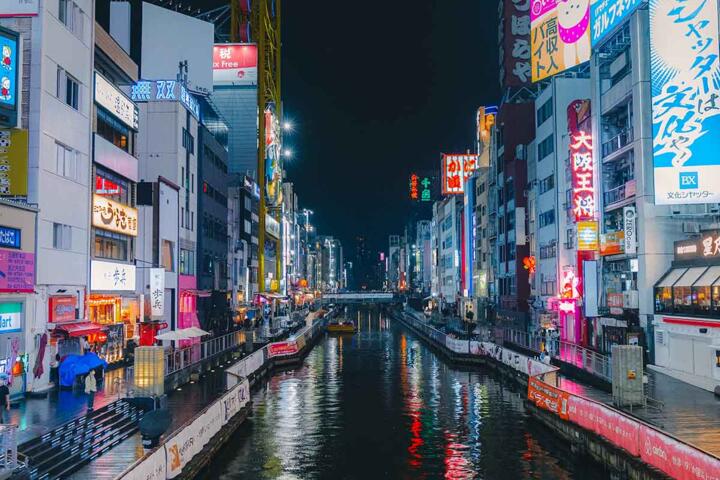
Namba pulses with energy into late hours due to endless bars, clubs, and street-food stalls on Dotombori. Staying here suits those focused on entertainment and culinary treats. It works because most hotspots sit within a 1-kilometer radius. Travelers can ditch transit completely in the evening and walk among vibrant scenes. Budget options abound, from capsule hotels like Capsule Hotel Anshin Oyado Premier (around ¥3,000 a night) to mid-range business hotels.
Umeda: Business and Transit Hub
Umeda dominates as the largest station complex, linking local lines and shinkansen bullet trains. It's ideal for visitors needing swift intercity connections or high-end shopping in malls like Grand Front Osaka. Hotels such as Hotel Granvia Osaka offer luxury at about ¥15,000 per night. This area caters to efficient travel while keeping amenities plentiful. It can feel corporate, but well-connected.
Shin-Osaka: Bullet Train Base
Shin-Osaka reigns for guests arriving by shinkansen or heading to Kyoto and Kobe. The immediate surroundings are quieter but less entertaining. Favorable for those prioritizing commute convenience over atmosphere—hotels here often drop 20% versus Umeda. Simple dining options reside inside station complexes, with chains like Yoshinoya and Doutor Coffee.
Shinsaibashi: Upscale Shopping
Shinsaibashi offers trendy boutiques and gourmet cafes along a covered arcade about 600 meters long. Fashion-conscious travelers gravitate here for high-end experiences backdropped by art spaces. Bridge Hotel Osaka may charge around ¥7,000 nightly, striking a balance between cost and style. It’s slightly quieter at night than Namba but close enough to walk over.
Tsuruhashi: Taste of Local Life
For immersion in local culture, Tsuruhashi's known for Korean markets and authentic eateries. It’s away from tourist crowds and affordable. This area’s mix of residents and markets illustrates Osaka’s diversity. Lodgings are basic but budget-friendly, perfect for self-catering visitors who want an everyday vibe.
Tennoji: Compound Convenience
Tennoji has recently revamped with facilities like Abeno Harukas skyscraper, Japan’s tallest at 300 meters, full of shops and art galleries. Its station complex connects multiple rail lines quickly. The area balances older, traditional elements with new developments. Hotels like APA Tennoji-Ekimae offer rooms around ¥5,000 comfortably.
Sumiyoshi: Peaceful Outskirts
Sumiyoshi is residential and quiet, a 20-minute subway ride from city center. Unlike central districts, lodging here is cheaper but less tourist-oriented. Travelers wanting calm nights and access to shrines might appreciate it. Still, trip logistics become slightly more complicated.
How to Decide?
Ask what matters most: nightlife, transport, quiet, or culture. Match that with your time and itinerary. Staying near one main station can reduce travel confusion. Large luggage? Shin-Osaka or Tennoji offer better elevator access, which, frankly, most people skip checking.
Examples of Visitor Choices
A family of four visiting Osaka in 2023 booked a hotel in Umeda for quick access to the airport limousine bus and shinkansen rides. They traded lively local dining for ease of luggage handling and public transit, shaving 30 minutes off commute daily. Their son found the rooftop garden relaxing after busy days.
Another traveler, a solo backpacker, stayed in Namba’s capsule hotels to enjoy late-night takoyaki stalls and live street performances. Spending around ¥3,500 per night, this lodging allowed easy socializing and less reliance on transit. Upon reflection, spending a few extra yen to be in this social hub helped her connect with other travelers for side trips.
Area Features Comparison
| Area | Nightlife | Transit Access | Average Price |
|---|---|---|---|
| Namba | Very High | Good | ¥3,000–¥10,000 |
| Umeda | Moderate | Excellent | ¥8,000–¥20,000 |
| Shin-Osaka | Low | Excellent | ¥4,000–¥9,000 |
| Shinsaibashi | Moderate | Good | ¥5,000–¥12,000 |
| Tsuruhashi | Low | Moderate | ¥2,500–¥7,000 |
Frequent Errors & Fixes
Booking hotels solely on price often blinds visitors to hidden travel costs like taxis or multiple subway fares. In Osaka, transit cards like ICOCA bring savings but won’t help if your hotel lies far from a station. Map apps sometimes mislead by showing direct routes ignoring stairs or elevator access, a hassle for families with kids or heavy bags.
Not confirming check-in hours can add stress. Some affordable guesthouses stop reception before 9 PM; arriving later means an unplanned night wandering nearby, which happened to me back in 2021 on a trip when flight delays stacked up.
Ignoring reviews for noise levels is an avoidable mistake. A low-rated sleeping experience often stems from overlooking a nearby karaoke bar or train line roaring past, which no amount of double glazing can fully block.
FAQ
Which area is best for first-timers?
Namba offers a compact, tourist-friendly atmosphere with many dining and shopping options within easy walking distance, plus solid transit links.
Is it expensive to stay near Osaka Station?
Prices vary, but expect ¥8,000 or more per night for standard hotels near Osaka Station, reflecting the convenience and amenities.
Can I walk from Umeda to Namba?
Walking takes about 40 minutes over 3.5 kilometers; transit cuts this to 10 minutes on the Midosuji subway line.
Are capsule hotels common in Osaka?
Yes, especially in Namba and Umeda, offering budget stays from ¥2,500 to ¥4,000 per night.
Does staying near Shin-Osaka improve travel to Kyoto?
Definitely, as it’s the main shinkansen stop serving Osaka, cutting Kyoto trips to 15 minutes by bullet train.
Author's Insight
I’ve stayed in Osaka’s Namba, Umeda, and Tennoji, each for substantial trips. Namba’s vibrancy suits evenings when you want to roam street food spots spontaneously. Tennoji works well for quieter nights and direct airport bus access. Umeda feels efficient for multi-city trips but can lack street-level appeal. Planning stays by transit hubs, while checking recent reviews on noise and atmosphere, saved many headaches on trips since 2018.
Final Thoughts
Osaka’s neighborhoods each serve distinct traveler needs. Namba favors nightlife, Umeda supports business and intercity trips, while Tsuruhashi offers a glimpse into local life. Avoid picking areas based on price alone — factor in transit and nearby options for eating and entertainment. Use transit cards and hotel apps to optimize costs and convenience. Matching your lodging with priorities means more energy for exploring and less time lost to logistics.