Exploring Quiet Lisbon
Lisbon’s magnetic charm draws over 4 million visitors every year, congregating in famed spots like Belém Tower or Alfama’s miradouros. Yet the city offers plenty beyond these magnetized hubs. Walking down narrow streets where locals live, dining in low-key cafés, or visiting hidden museums eases you into Lisbon’s genuine character. Quiet does not mean dull: parts of Graça and Marvila buzz softly with art studios and family-owned shops. The cost? Less waiting, fewer selfie sticks, and more breathing room.
A few facts: Lisbon’s public transport handles around 1 million trips daily, but outside main centers, buses and trams are largely empty midweek. Nighttime unveils calm pleasures too—fado houses off the beaten track or peaceful river strolls under lantern light.
Crowds’ True Cost
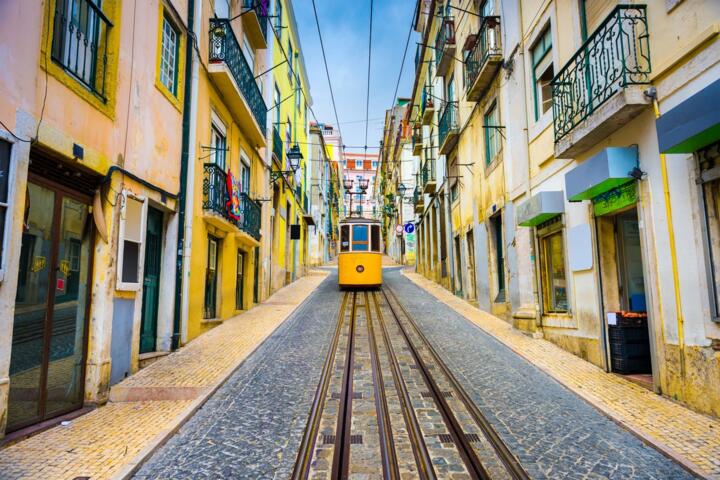
Tourists often mistake Lisbon’s small trams as the only way to explore, leading to packed rides on routes 28 or 12. This concentrates people in tight quarters, intensifies noise, and pushes prices up in neighborhoods like Chiado. Such pressure erases local flavor quickly; shops turn to souvenir stalls, and restaurants lose kitchen creativity.
Overcrowding also means slower service, long lineups, and less genuine interactions. I recall waiting nearly an hour for a statue photo on a spring weekend, with no shade or seating nearby. And more tourists strain infrastructures—waste bins overflow, public toilets become scarce, parks fill beyond comfort.
Ways to Find Calm
Start Early
Begin your day before 8 a.m. The city sleeps lightly; cafés open with fresh pastries and strong coffee, and you have space to admire sites like the National Pantheon in silence. Weekdays before 9 a.m. see 30–50% fewer visitors at major monuments.
Explore Alternative Districts
Instead of Alfama or Baixa, spend hours at Ajuda or Campo de Ourique—less touristy, but with authentic eateries and markets. Campo de Ourique hosts a market with fewer than 500 daily buyers, but great local produce and artisanal stalls. Museums such as the Bordalo Pinheiro or the Museu da Marioneta rarely top visitor charts but showcase Portuguese history vividly.
Use Lesser-Known Transport Options
The tram 15 is swarmed; tram 24 or bus 728 remain relatively empty, serving quieter routes. After noon, a 728 ride is almost always available—an efficient way to cross the city without shoulder to shoulder.
Pick Off-Peak Dining
Eating between 1 and 6 p.m., many traditional restaurants ease off crowds completely. Places like Taberna Moderna or solar dos Presuntos fill after 7 p.m., so lunch here offers the best chance for calm table service.
Visit Parks and Gardens
Lisbon has dozens of gardens beyond Eduardo VII park. Tapada das Necessidades and Jardim do Monteiro-Mor provide quiet green escapes, often with benches free and duck ponds almost to yourself.
Attend Small Events
Look for gallery openings or intimate fado performances in Marvila and Intendente. These events rarely hit travel guides but often attract fewer than 100 people, perfect for relaxed cultural immersion.
Explore Riverwalks Without the Rush
Walk along the Tagus from Alcântara to Santo Amaro docks on windy afternoons. Few turn right toward Docas instead of the crowded Museu MAAT area. The docks host casual bars and fisherman’s boats silently bobbing.
Book Guided Tours In Small Groups
Some companies offer micro-tours limited to four guests, focusing on street art or culinary secrets. These tours deliver insider knowledge and beat usual 20-person groups suffocating popular spots.
Seek Out Local Markets
Besides Mercado da Ribeira, visit Mercado de Campo de Ourique on Saturdays, with 70% fewer tourists but vibrant stalls of fresh fish and cheese sellers.
Real-Life Quiet Wins
A consulting team from Berlin noticed a sharp drop in their sightseeing efficiency after a Saturday spent in central Lisbon; queues took up two hours, and noise distracted meetings post-tour. Switching to a personalized early-morning route through Ajuda’s gardens and small museums meant finishing sights in 3 hours and an afternoon of relaxed client discussions. They saw a 40% improvement in energy and mood.
Another example involved a solo traveler in 2022 who avoided tram 28 entirely, instead using bike rentals and night buses. She found unexpected local eateries and historic squares without crowds, enjoying each spot for 20% longer than if caught in peaks.
Quiet Trip Plan
| Step | Action | Time | Expected Result |
|---|---|---|---|
| 1 | Morning market at Campo de Ourique | 8-10 AM | Serene atmosphere, local interaction |
| 2 | Visit Tapada das Necessidades garden | Late morning | Quiet, peaceful respite |
| 3 | Lunch at local Taberna Moderna | 1-3 PM | Authentic flavors without crowds |
Common Pitfalls
Booking tours late in the day can backfire as the city buzzes most during afternoon hours. Also, relying exclusively on Google Maps during peak times often guides you into busiest streets, neglecting quieter neighborhood shortcuts. I’ve found apps like Citymapper better for transit unpredictability but still double-check schedules and closures.
Trying to see every famous sight causes fatigue and disappointment. Skip the big lists; instead, savor fewer places deeply. Avoid eating only near tourist zones. Many excellent restaurants stand a 10-minute walk away from main plazas.
FAQ
How can I avoid Lisbon’s tourist crowds?
Visit early mornings, choose lesser-known areas like Ajuda, embark on smaller group tours, and opt for off-peak dining hours.
Are public transport options less crowded outside peak hours?
Yes. Outside 7-9 AM and 5-7 PM, many buses and trams operate with far fewer passengers.
What are some quiet neighborhoods to explore?
Campo de Ourique, Marvila, and Ajuda offer relaxed streets, local shops, and fewer tourists.
Can I experience authentic fado music without crowds?
Attend small venues in Alfama or Mouraria later in the evening, or check schedules for local gallery fado nights in less busy districts.
Is walking the best way to escape crowd hotspots?
Yes. Walking offers flexibility to dodge busy areas, discover tranquil corners, and enjoy Lisbon’s topography at your pace.
Author's Insight
Having spent months living in Lisbon’s quieter quarters rather than tourist flats, I learned subtle rhythms that don’t align with typical sightseeing guides. The city whispers its secrets in early hours and tucked-away cafés. Avoiding crowds allows richer cultural exchanges. Planning well means you see beyond Instagram clichés and enjoy Lisbon fully—silently, warmly, without rush.
Key Points
Lisbon’s charm survives beyond crowded hotspots. Prioritize off-peak hours, explore neighborhoods outside main circuits, and pick small events to experience the city in calm. Walk when possible, dine locally, and trust transport options less traveled. Avoid noise, save time, and find a layered Lisbon few appreciate but all deserve.