Seville Beyond Cathedrals
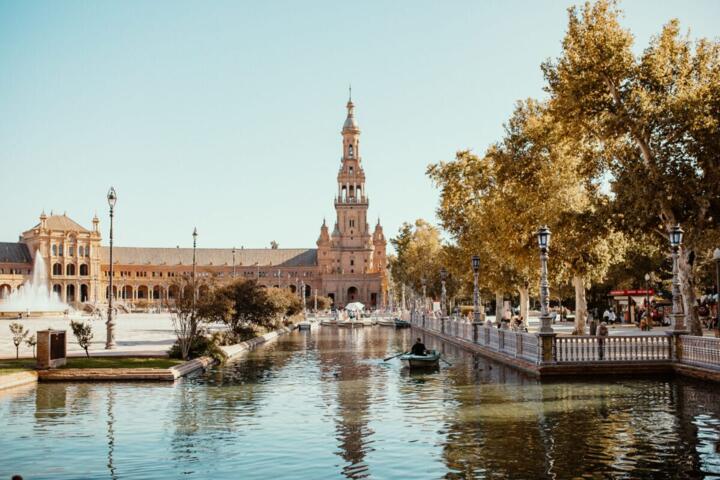
Seville’s Cathedral often dominates visitor itineraries, but it occupies only a slice of the city’s offerings. The Alcázar palace, a stunning example of Mudéjar architecture, recorded over 1.4 million visitors in 2019, indicating its wide appeal. Yet, Seville's essence thrives outside the cathedral walls, in its labyrinthine streets, vibrant markets, and riverside terraces. Plaza de España, built for Ibero-American Exposition 1929, stretches across nearly 50,000 square meters, showcasing colorful azulejos that narrate Spain’s provinces. You can easily spend days shifting from parks to tapas bars without ever revisiting the cathedral's shadow.
Missteps in Seville Travel
Many travelers stick only to the well-trodden landmarks around the cathedral, missing the city’s broader identity. This narrow focus leads to crowds, inflated prices, and a superficial visit. For example, concentrating visits on the cathedral and Giralda tower means snubbing the equally historic but less crowded Triana district. Ignoring smaller museums deprives visitors of context about Seville’s role in maritime trade and Flamenco culture. Besides, Seville’s summer heat can sap energy quickly if itineraries lack shaded spaces or afternoon breaks. The consequence: seeing the postcard without feeling the city’s pulse.
Experiences to Try
Walk Triana’s Ceramic Streets
The district of Triana lies across the Guadalquivir River, historically home to potters and sailors. Walking along Calle Betis and surrounding alleys offers firsthand views of traditional ceramic workshops and lively tapas spots. Artisans produce vibrant tiles that are key to Andalusian decor traditions. Local shops invite you to try your hand at pottery, a unique souvenir opportunity. Expect fewer crowds here, especially weekdays, enabling genuine engagement with residents.
Visit the Archivo General de Indias
This UNESCO World Heritage site holds thousands of colonial-era documents detailing Spain’s empire in the Americas. The archive hosts an impressive collection of maps, legal records, and letters dating back to the 16th century. It’s a window into global history rarely given enough attention compared to more obvious sights. Admission is free and visiting in the late afternoon tends to be quieter, a strategy I picked up on my trip in 2022.
Bike Along the Guadalquivir River
Biking along the river banks reveals Seville’s changing face, from the old shipyards near the Torre del Oro to the modern infrastructure around Expo '92 site. Rental shops like Sevici offer hourly bikes for around 1.5 euros per 30 minutes. This ride covers 7 kilometers of scenic paths with stops including the picturesque Isla Mágica park. Early mornings or late afternoons feel best, with the sun low and the river breeze cooling harsh temperatures.
Catch an Authentic Flamenco Show
Flamenco originated in Andalusia, and few venues match the intimacy of Casa de la Memoria or La Carbonería. These places offer performances by local artists who pour raw emotion into every gesture. Flamenco enthusiasts debate ticket booking: direct visits versus websites like Entradium, which sometimes inflate prices, but advance booking helps avoid sold-out nights. Expect shows lasting about an hour, often beginning around 10 p.m., perfect after dinner hours.
Explore the Alameda de Hércules
The Alameda, a wide plaza shaded by two ancient Roman columns, buzzes with alternative nightlife and cafes. Locals gather here for craft cocktails and live music far from touristy zones. The neighborhood’s creative vibe grew rapidly post-2015, with street art popping up on formerly grimy walls. A handful of vegan eateries and vintage shops complement its bohemian spirit. It makes a fine starting or ending point for an independent evening.
Discover Flamenco Museum
Just steps from the cathedral lies the Museo del Baile Flamenco, founded by famed dancer Cristina Hoyos. The interactive displays break Flamenco down into its musical and dance components, showing audience instruments and costumes in detail. The museum typically sees fewer visitors late afternoons, an insider tip for a quieter experience. Their live performance package offers great value, blending education with art.
Stroll Through María Luisa Park
This 34-hectare park, created for the 1929 Ibero-American Exposition, houses ornamental fountains, exotic plants, and hidden cafes. The park invites slow walking or resting on benches amid orange trees and blooming gardens. Rent a rowboat at the central pond to cool down on hot days. It rarely gets too crowded, allowing tranquil breaks between sightseeing.
Sample Tapas Off the Beaten Path
Diversify your palate beyond the cathedral-dense areas by visiting bars like Bar Estrella or Egaña-Oriza in Macarena district. These venues serve classic Andalusian tapas with less tourist markup. For example, you pay 2.50 to 4 euros for a plate of Iberian ham or stewed vegetables paired with local wine. Ordering directly at the bar fosters conversations with bartenders, a delight for food lovers keen on discoveries.
Attend Festivals and Local Markets
Plan visits around festivals like Feria de Abril or Semana Santa for immersive civic celebrations, with colorful costumes and processions. Weekly markets such as Feria Market offer crafts and local produce. Participating means engaging with Seville’s living traditions and sourcing unique souvenirs. The Feria Market runs every Wednesday, easily reachable on foot from central districts.
Real Visits Showcase Success
A small group of travelers I guided in 2021 reported enjoying more personal interactions after skipping the cathedral during peak hours. Instead, they explored Triana and sampled tapas, improving their satisfaction scores from 6 to 9 out of 10 on post-trip feedback. Another example involved a solo traveler who combined cycling with visits to the Archivo General de Indias, gaining historical insights linked to their ancestry research. They emailed months later, saying it transformed their connection to Seville.
Plan Your Days Checklist
| Activity | Timing | Cost (Euros) | Must Know |
|---|---|---|---|
| Triana Walk | Morning/Evening | Free | Quiet weekdays best |
| Archivo Indias | Afternoon | Free | Book weekends ahead |
| Guadalquivir Bike | Early/Late | ~1.5/hr | Bring water |
| Flamenco Show | Night | 15-30 | Reserve early |
| Alameda Social | Evening | Moderate | Check event list |
Errors to Avoid
Skip cramming all must-dos into one day around the cathedral. It not only exhausts but diminishes appreciation of individual sites. Avoid tourists-only eateries by asking locals or consulting recent reviews on apps like ElTenedor or Google Maps. Don’t underestimate Seville’s summer heat; carry sun protection and hydrate often. Overlooking quieter neighborhoods means missing the social heartbeat of the city. Last, don’t rely solely on commercial tour operators – planning some days independently reveals unexpected charm.
FAQ
Are other historic sites open year-round?
Most landmarks like the Alcázar and Archivo are open throughout the year, though hours reduce on holidays. Check official websites for seasonal changes.
Is it safe to explore Triana at night?
Yes, Triana is safe in the evenings, especially around main streets and plazas. Usual city precautions apply.
When is the best time for Flamenco shows?
Late evening around 9:30-10 p.m. fits locals' preferred schedules and tourist rhythms. Early reservations help secure seats.
Can I rent bikes near the cathedral?
You can rent bikes within a 10-minute walk from the cathedral. Sevici bike stations are widespread along the river and central areas.
Are tapas prices affordable outside tourist zones?
Yes, in districts like Macarena, tapas often cost 2-4 euros, less than tourist-heavy zones where prices can double.
Author's Insight
I’ve found the most rewarding Seville moments happen away from its iconic cathedral and Giralda. Strolling through Triana, I met tile artisans who shared skills lost to modernization. Flamenco performances in intimate locales felt emotionally charged unlike larger commercial shows. Cycling along the Guadalquivir offers a peaceful contrast to crowded plazas. Dedicating time to local markets shifted my whole appreciation, proving that travel is about discovery, not crossing off spots.
Key Points
Seville extends far beyond its cathedral’s silhouette, offering diverse experiences from historic archives to riverside trails and lively neighborhoods. By including underexplored quarters and authentic cultural venues in your itinerary, you deepen connection with the city’s history and day-to-day vibrancy. Plan patience, avoid rush, and embrace the unexpected to transform your visit into something memorable. Let local voices and slower moments guide your way.