December Travel Overview
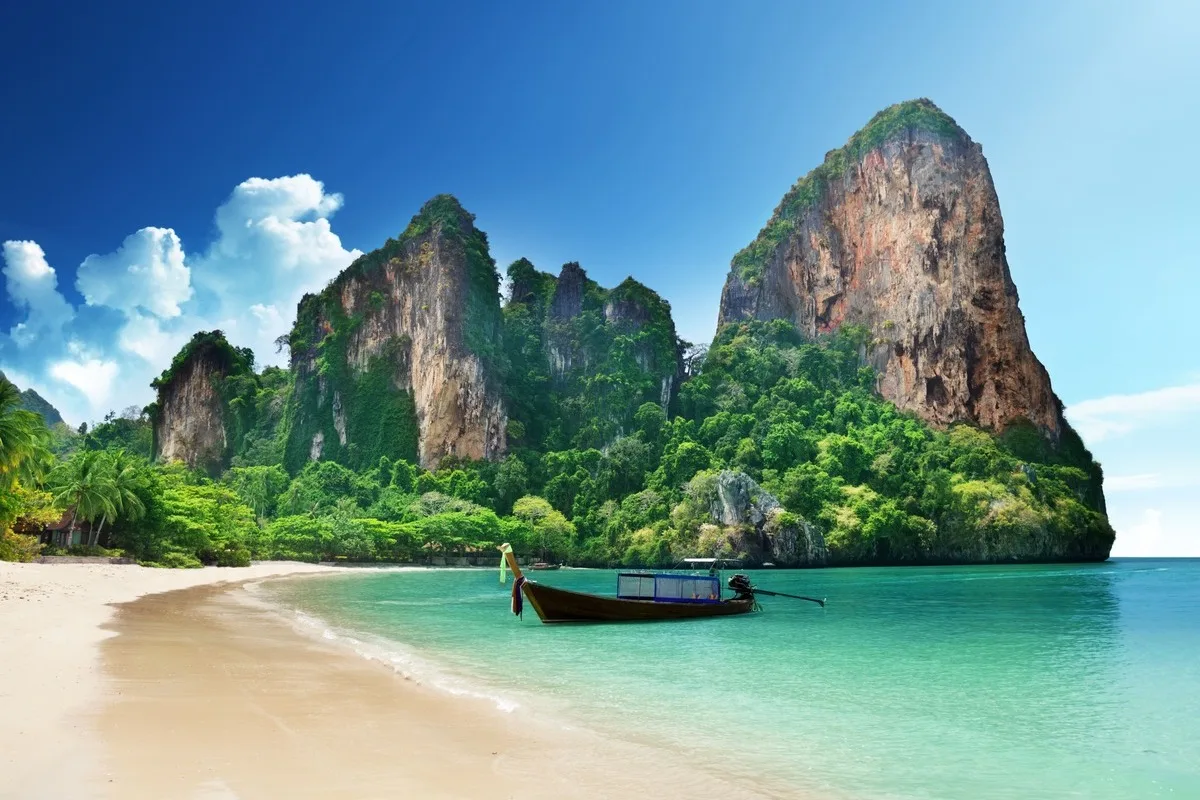
December marks the start of the dry season across most of Southeast Asia, drawing travelers seeking sunshine and pleasant temperatures. Thailand, Vietnam, Cambodia, and Laos all experience lower humidity and minimal rainfall during this month, with average daytime highs around 28–32°C (82–93°F). For example, Bangkok sees approximately 8 rainy days on average in December, compared to over 20 in the peak monsoon months. Tourists often target beach areas like Phuket and Krabi in Thailand, or Hoi An in Vietnam, due to ideal weather for water activities and sightseeing.
The region hosts several winter festivals, such as the Loi Krathong lantern celebrations in Thailand and year-end markets across Ho Chi Minh City. Though popular, these areas can get crowded, so advance booking matters. Indonesia’s Bali remains warm but faces intermittent rains. December travel here requires flexibility if your focus is outdoor exploration.
Missteps in December Trips
Many travelers assume December is peak dry season everywhere, leading to surprises like unexpected drizzle in Bali or occasional cool nights in mountainous parts of northern Vietnam. Ignoring local climate nuances can result in disappointing beach days or uncomfortable hikes. Crowding becomes an issue in major tourist hubs, affecting hotel prices and availability—especially around Christmas and New Year. Those who rely purely on online reviews without checking recent weather patterns often face canceled tours or poor visibility on boat trips. Planning city visits without considering pollution spikes in Bangkok or Jakarta also harms health and experience.
Plan Tips and Destinations
Beach Escapes: Southern Thailand
Head to Phuket, Krabi, or Koh Phi Phi for sunny skies and calm seas in December. These spots see an average of 6 hours of sunshine daily and temperatures around 30°C. Use local ferry services like Andaman Wave Master for island hopping. High season brings higher prices, so book accommodations early. For quieter options, consider less commercial islands such as Koh Lanta.
Cultural Highlights: Northern Thailand
Chiang Mai and Chiang Rai offer temperate conditions with daytime temps near 25°C and cool mornings around 15°C. December is perfect for trekking and attending the Yi Peng Lantern Festival, typically held early in the month. Small guesthouses run by locals offer authentic stays for under $30 per night, unlike pricier city-center hotels.
Vietnam Beaches and Cities
Da Nang and Hoi An move into prime time with dry weather, enabling beach visits and cultural tours without monsoon disruptions. Ho Chi Minh City retains steady warmth but can see some short rains. Use trusted taxi apps like Grab in major cities to avoid inflated fares—a frequent traveler gripe. Daylight reaches 11 hours, enough for thorough exploration.
Cambodia: Temples and Beyond
December is ideal for Angkor Wat tours, with low humidity making walking through ruins comfortable. Expect clear skies and highs around 28°C. Lesser-known spots like Kampot provide a relaxing river town vibe. Tuk-tuk rides cost approximately $15 for half-day tours. Lush landscapes stay verdant from previous wet months.
Laos: Tranquil Landscapes
Luang Prabang features crisp mornings and sunny afternoons, perfect for temple visits and the Mekong river cruise. Temperatures drop to 14°C at night, so pack layers. The December boat trip from Huay Xai to Luang Prabang takes two days, showcasing stunning waterfalls and remote villages.
Indonesia: Bali’s Wet Pockets
Don’t expect constant sun. Bali can have scattered showers, but many find fewer tourists a plus. Beach clubs like Potato Head remain vibrant. Rent a scooter carefully; roads are busy and chaotic—my experience navigating Bali in v5.4 of Google Maps was surprisingly reliable in pinpointing detours.
Travel Logistics and Connectivity
Major hubs like Bangkok, Singapore, and Kuala Lumpur offer direct flights connecting across SEA via carriers such as AirAsia and Scoot, with frequent promotions. Airport transfers often cost $10–20 via Grab or similar apps, better than pricey taxis. Download the apps beforehand while still on Wi-Fi.
Health and Safety Measures
Watch for sudden temperature dips in northern regions—bring a windbreaker. Mosquito nets remain necessary in rural areas despite lower rains, since dengue cases persist year-round. Purchase insect repellent containing DEET. Many tourists overlook these basics and get sick, which spoils the trip.
Budget Planning
Expect daily costs from $40 up to $120 depending on comfort level and location. Street food meals run $1.50–4, while three-course dinners at mid-range restaurants typically cost $10–15 per person. Hotels near tourist spots inflate rates; moving slightly outside main zones saves around 20%.
Practical Examples
Consider a mid-size travel operator focused on Thailand beaches and Cambodia temples during December 2023. They faced overcrowding in Phuket and slow bookings in Mae Hong Son. By promoting less frequented islands and northern towns, they balanced customer flow and raised revenue by 18% over the previous year.
Another example: an eco-tour company offering Luang Prabang cruises noticed many clients abandoned the trip due to cold mornings and packed flights. They added a gear checklist and local evening cultural activities to the package, improving satisfaction scores by 25%.
Destination Checklist
| Destination | Weather | Peak Crowds | Avg Temp (C) |
|---|---|---|---|
| Phuket | Dry, sunny | High from 20th Dec | 30 |
| Chiang Mai | Cool, clear | Moderate mid-Dec | 25 |
| Hoi An | Dry, mild | Low early Dec | 27 |
| Kampot | Dry, fresh | Low | 28 |
Trip Mistakes to Skip
Booking late December without lodging guarantees leads to broken plans. Prices spike instantly. Over-packing winter clothes for tropical zones wastes space. Disregarding local sim card options causes expensive roaming charges. Assuming boat tours sail daily results in cancellations—many operators pause during public holidays. Avoid selecting heavily touristy hotspots exclusively; blending quiet towns balances energy and cost.
FAQ
Is December rainy in Southeast Asia?
Most of the region enters dry season in December, but exceptions exist like Bali and parts of the Philippines with occasional showers.
Where is warmest for beaches?
Southern Thailand, especially Phuket and Krabi, along with southern Vietnam around Phu Quoc, offer reliable warmth and sunshine.
Are festivals common in December?
Yes, lantern festivals in northern Thailand and various Christmas markets draw tourists, enhancing local culture access.
How crowded are popular areas?
Major tourist destinations get crowded, especially around holidays. Early bookings are advisable for flights and hotels.
What budget to plan?
Expect $40 to $120 daily depending on style. Street food costs about $2; midrange meals $10-$15.
Author's Insight
I’ve managed December trips through multiple SEA countries over 15 years. Each winter, climate nuances challenge assumptions, yet the thrill of festivals and beaches during dry spells remains unmatched. Packing light but versatile gear and securing accommodations 3–6 months in advance minimizes headaches. I tend to skip overly commercialized hubs post-Christmas because by then, the charm thins out. A little local research and patience pay off immensely.
What to Remember
December travel in Southeast Asia offers mostly dry, pleasant conditions ideal for beaches, culture, and adventure. Choosing destinations thoughtfully, planning bookings early, and preparing for occasional weather shifts optimize the experience. Embrace less crowded towns and leverage regional festivals to enrich your itinerary. Pack smart, confirm local transport options, and expect some lively crowds as the year ends.